What to do when a diesel engine “chokes”? A comprehensive analysis of causes involving intake, exhaust, fuel supply, and mechanical faults.


When a diesel engine is running, if symptoms such as sluggish throttle response, slow RPM buildup, a drop in load capacity, black smoke, or engine vibration occur, many mechanics refer to this condition as the engine “choking” or “struggling for breath.” In reality, this is not a single specific fault but a collective manifestation of reduced combustion efficiency.
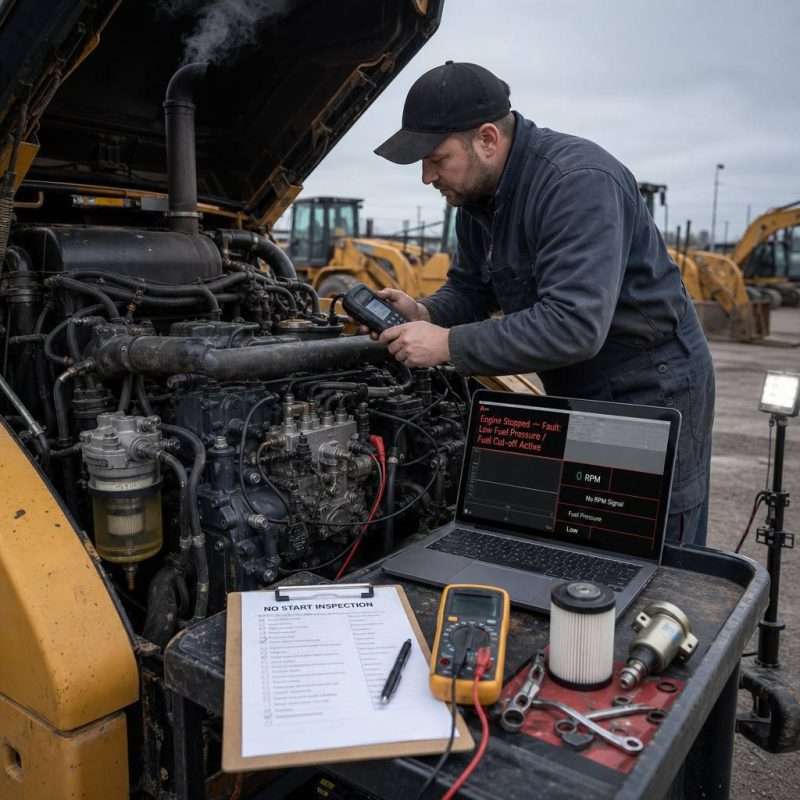
There are many causes for this “choking” phenomenon. Issues can stem from the intake or exhaust systems, insufficient fuel supply, or even internal mechanical wear. A systematic troubleshooting approach is essential to quickly identify the root cause.
I. Insufficient Air Intake is the Most Common Cause
Diesel engines rely on compression ignition, meaning combustion efficiency depends heavily on an adequate supply of fresh air. If the intake volume is insufficient, complete combustion cannot occur, even if the fuel injection system is functioning correctly.
Failure to replace the air filter over a long period leads to dust clogging the filter element, significantly increasing intake resistance. Similarly, a buildup of oil and grime inside the intercooler can impede airflow efficiency. When the actual volume of air entering the cylinders decreases, the air-fuel mixture becomes overly rich, resulting in power loss, increased fuel consumption, and black exhaust smoke.
For turbocharged diesel engines, insufficient boost pressure is another frequent issue. Examples include:
Wear or foreign object damage to the turbine wheel;
Improper sealing of the wastegate valve;
Reduced rotational speed due to turbocharger bearing wear;
Air leaks in the boost piping or loose clamps.
These issues lower intake pressure, causing the engine to feel noticeably “sluggish” or underpowered during high-load operation.
When diagnosing this “choking” symptom, technicians should focus on inspecting the air filter, boost pressure, intercooler, and the entire intake tract for blockages or leaks.
II. Exhaust System Blockages Also Restrict Engine Power
Many mechanics overlook the exhaust system; however, excessive exhaust backpressure can effectively cause the engine to “choke.”
If the Diesel Particulate Filter (DPF) is severely clogged, or if the internal substrate of the catalytic converter has melted or collapsed, a large volume of exhaust gas cannot be expelled in time. The residual exhaust occupies space within the cylinders, hindering the intake of fresh air and significantly reducing combustion efficiency. This type of issue is particularly common in construction machinery that operates at low speeds for extended periods.
Additionally, if the EGR (Exhaust Gas Recirculation) valve sticks due to carbon buildup and fails to close completely, it will continuously introduce exhaust gas into the intake system. This lowers oxygen concentration, resulting in sluggish engine response and a lack of power.
During maintenance, it is recommended to check for:
Excessive exhaust backpressure;
The need for active DPF regeneration or cleaning;
Catalytic converter blockage;
EGR valve sticking due to carbon buildup.
Once normal exhaust flow is restored, engine power usually improves significantly.
III. Insufficient fuel supply can also cause the engine to “bog down”
If fuel cannot be delivered continuously and steadily to the injectors, the engine will exhibit a lack of power under high loads.
Common issues include:
Clogged fuel filter;
Insufficient fuel supply from the transfer pump;
High-pressure fuel pump wear;
Air entering the fuel system;
Negative pressure caused by a clogged fuel tank vent;
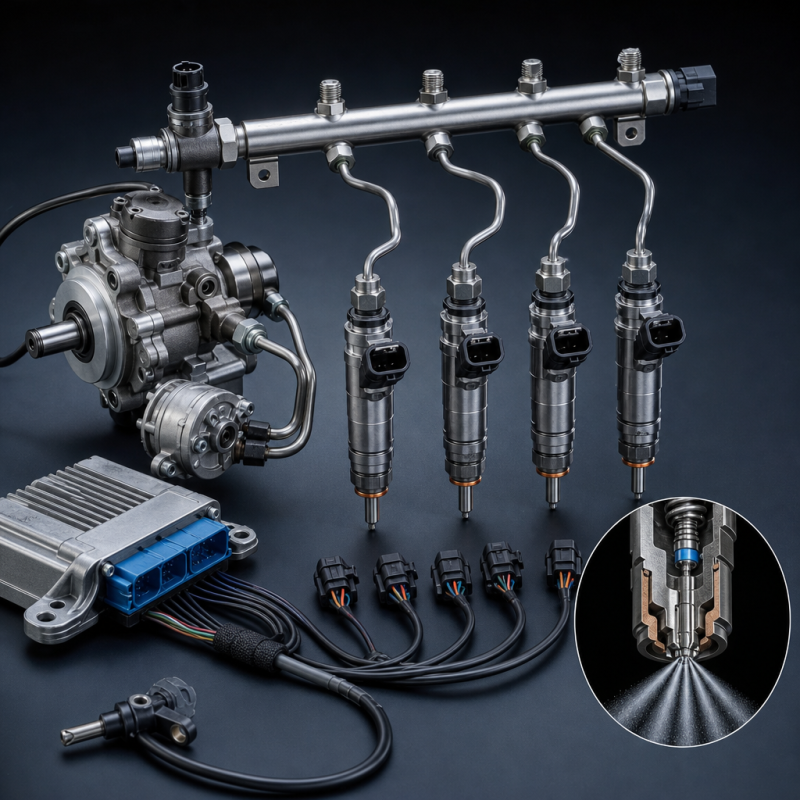
Poor injector atomization or excessive fuel return volume.
These faults may not be apparent at idle, but once the engine operates under heavy load, climbs a slope, or runs at high speed, sluggish acceleration or even engine stalling may occur.
It is recommended to simultaneously check low-pressure supply pressure, high-pressure common-rail pressure, and injector return flow to avoid replacing parts based solely on guesswork.
IV. Internal engine wear cannot be overlooked
If the intake, exhaust, and fuel systems are functioning correctly but the engine still lacks power over the long term, the engine assembly itself must be inspected.
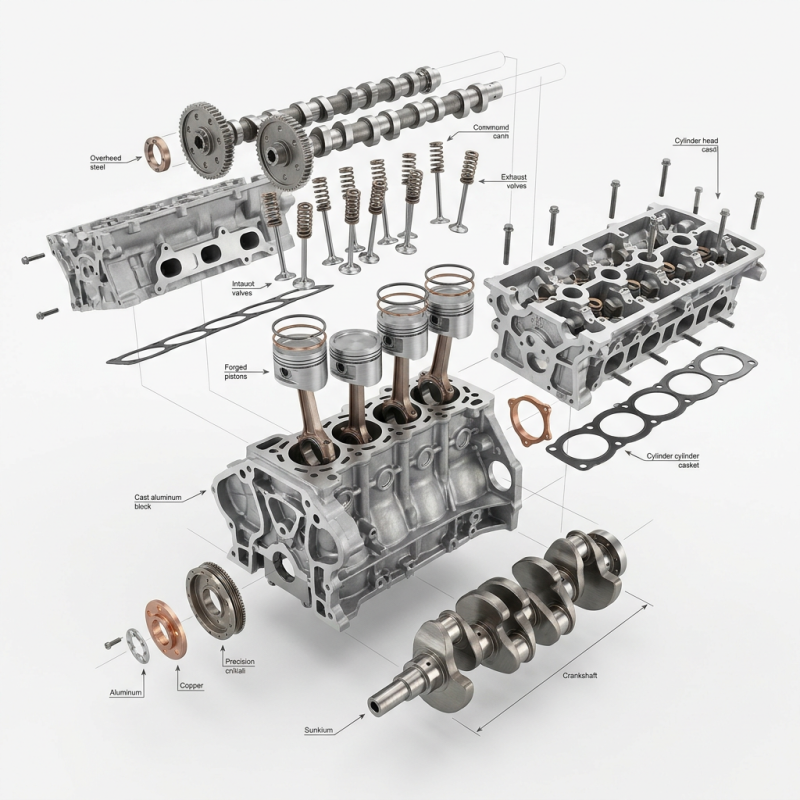
With prolonged use, piston rings, cylinder liners, and valve sealing surfaces will experience varying degrees of wear.
When piston ring sealing performance declines, compression pressure drops; the combustion chamber fails to reach optimal ignition conditions, naturally reducing combustion efficiency. Similarly, if valves do not seal tightly, combustion pressure leaks, reducing the effective work output.
Such faults are often accompanied by the following symptoms:
Difficulty with cold starts;
Increased crankcase blow-by;
Higher engine oil consumption;
Persistent lack of power;
Continuously rising fuel consumption. It is recommended to comprehensively assess the engine’s internal wear using cylinder pressure tests, cylinder leakage tests, and crankcase blow-by tests, rather than blindly servicing peripheral systems.
Jianming Machinery: Providing Solutions for Core Diesel Engine Components
Engine “choking” or stalling under load is not an isolated fault but the ultimate manifestation of issues involving multiple systems. The root cause can only be accurately identified by systematically troubleshooting the intake system, exhaust system, fuel system, and the engine’s mechanical components.
Jianming Machinery has long specialized in the supply of components for diesel engines and construction machinery. We offer a wide range of core parts—including air filters, fuel filters, turbochargers, fuel injectors, fuel transfer pumps, piston rings, cylinder liners, and valves—to help global customers rapidly restore engine performance, increase equipment uptime, and reduce maintenance costs.
Adopting a systematic approach to fault diagnosis, rather than simply replacing parts, is the key to improving repair efficiency and minimizing repeat repairs. This represents the direction of modern diesel engine maintenance technology and serves as a crucial guarantee for the long-term, stable operation of equipment.
jianming machinery