Diesel engine fuel system pipeline fault analysis


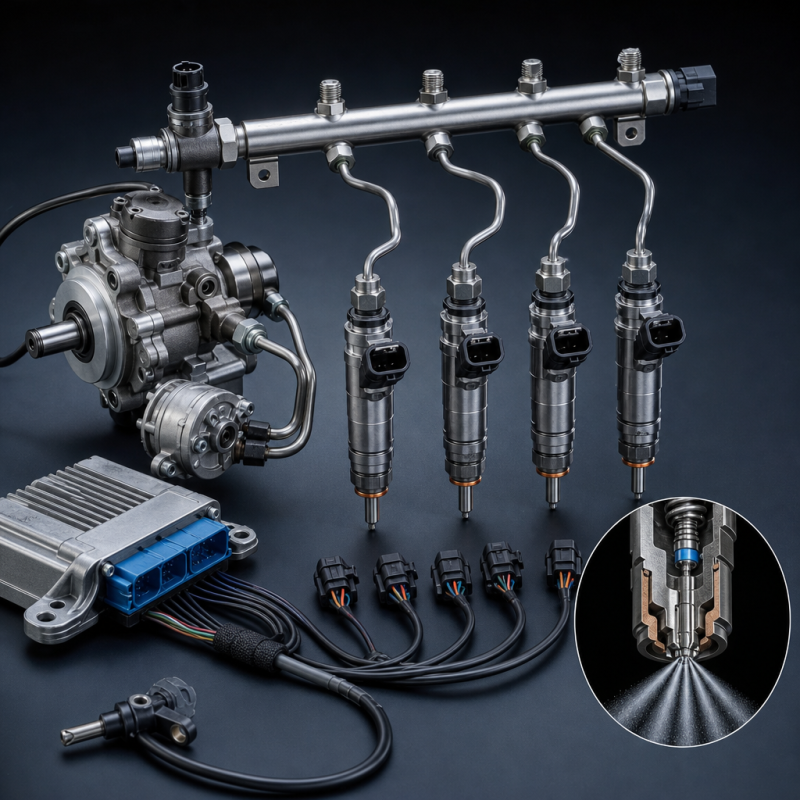
Faults in diesel engine fuel system pipelines often exhibit patterns in their most frequent locations. Analyzing by location, rather than by system, facilitates rapid on-site troubleshooting. Joints are the most frequent areas for leaks and air intake failures. Pipeline joints come in various types, including compression fittings, conical seals, and flanges. Their sealing ability depends on the precision of the conical seal fit, the elasticity of the sealing ring, and the tightening torque of the bolts. When joints gradually loosen due to vibration, the sealing conical surface is crushed or scratched during repeated disassembly and assembly, or the sealing ring swells and ages due to contact with inferior fuel, leaks will first appear at the joints. For the low-pressure intake section, loose joints not only cause fuel leakage but, more dangerously, can draw in air under atmospheric pressure, creating vapor lock and causing fluctuations in fuel supply. For the high-pressure section, a failed joint seal can cause high-pressure fuel to spray out as a mist, resulting in pressure loss and posing a risk of injury and fire. Therefore, in troubleshooting, joints should be the first and second area to be inspected, and tightening must strictly adhere to torque specifications. Overtightening will crush the sealing conical surface, while undertightening will fail to create an effective seal.
The pipe body and clamps constitute the second high-risk area for pipeline failures, and their failure modes are closely related to the pipeline’s vibration characteristics. High-pressure oil pipes, while enduring periodic pressure pulsations, are also affected by engine vibration and the pipe’s own stiffness. When clamps are missing or loose, the pipeline’s constraints change, and its natural frequency may fall within the engine’s operating speed range, triggering resonance. Long-term resonant fatigue can cause cracks at stress concentration points near bends or joints, eventually leading to fracture. Wear and thinning caused by friction between the pipe body and other components also significantly weakens its pressure-bearing capacity. Therefore, sufficient clearance should be ensured during pipeline installation, and clamps should be correctly installed. During maintenance, the integrity of clamps and the tightness of clamps must be checked. Furthermore, the combined effect of electrochemical corrosion of the pipe material and the moisture and high-sulfur components in inferior fuel can cause pitting corrosion on the inner wall of the pipe, which gradually penetrates. This type of corrosion damage, originating from the inside out, is often difficult to detect externally until the pipe wall is completely corroded, at which point a sudden leak occurs.
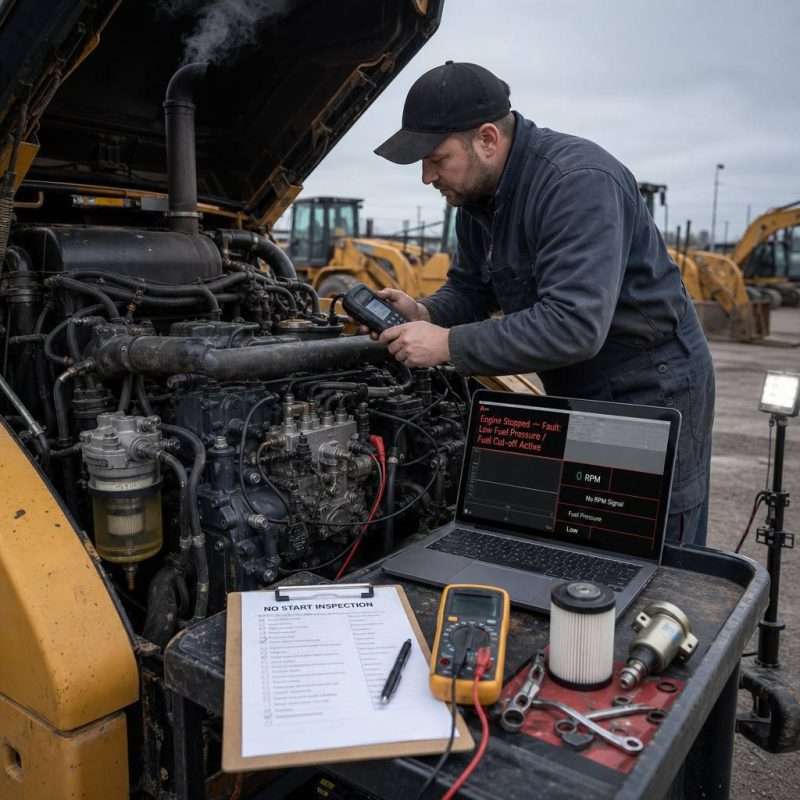
Failures in hoses and return lines manifest in two specific dimensions: material aging and system back pressure. These are aspects easily overlooked in routine maintenance yet significantly impact operational stability. Rubber hoses gradually harden and crack under prolonged exposure to high temperatures and fuel, and their inner layers may detach due to aging. These detached rubber fragments can clog the fuel filter or injector inlet channels, causing intermittent faults that are difficult to pinpoint. Furthermore, for some easily swollen rubber materials, the ester components in biodiesel can cause dimensional changes and loss of sealing ability. The return line is responsible for returning excess fuel from the injectors and injection pump to the fuel tank. When the return line is blocked by foreign objects or excessively bent, the increased injector back pressure hinders the normal return of the needle valve, resulting in abnormally increased injection volume and poor combustion. Its symptoms are similar to injector body failures and are easily misdiagnosed. In terms of systematic troubleshooting methods, the order should be “appearance first, function second; low pressure first, high pressure second.” This involves visually inspecting for leaks and pipe wear, verifying the sealing of the low-pressure section using a manual fuel pump, and assessing the pressure holding capacity of the high-pressure section using rail pressure data streams to gradually pinpoint the faulty location. Understanding the typical failure mechanisms and inspection points for joints, pipes, clamps, hoses, and return sections on diesel engine fuel lines can help technicians avoid the inefficient cycle of blindly replacing parts and achieve rapid, precise troubleshooting based on the specific location.
jianming machinery