Technical Analysis of High-Power and Low-Power Engines


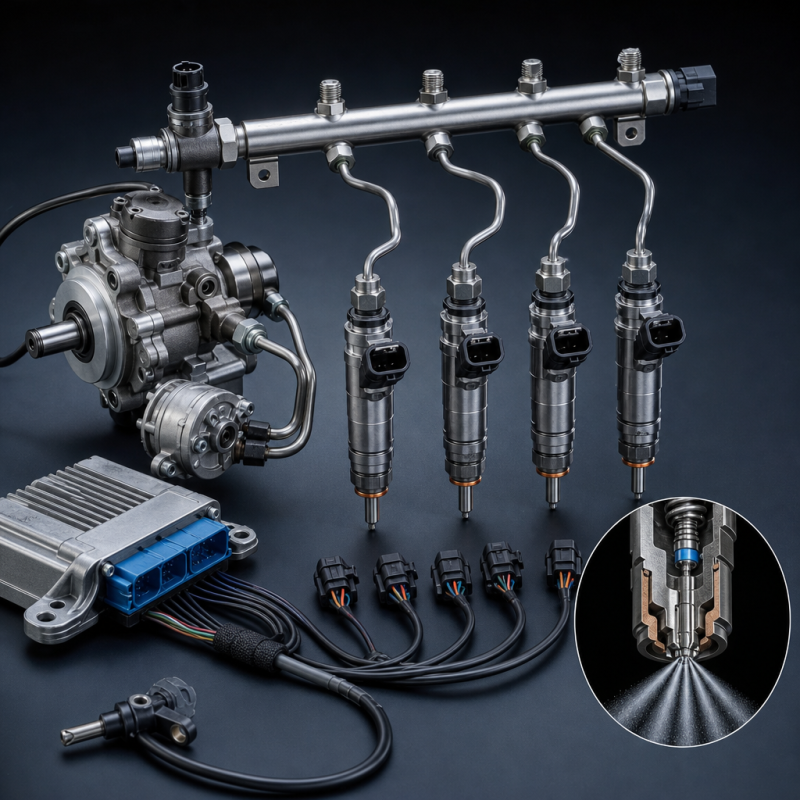
The difference between high-power and low-power engines is not simply a matter of numerical output; it reflects a fundamental difference in engineering approach—using different technologies to extract power from engines of the same displacement or volume. This approach profoundly influences engine structural design, thermal load levels, and lifespan. In achieving power density, an engine’s output power depends on the amount of fuel injected per cycle, the heat energy released during combustion, and the number of cycles per unit time. Therefore, increasing power can be summarized into four basic approaches: increasing intake air volume, increasing fuel injection volume, increasing engine speed, or increasing displacement. High-power engines typically combine the first three methods—high boost ratio, efficient intercooling, and high-speed operation—to achieve higher power-to-weight ratio and specific power output within a limited displacement. Low-power engines, on the other hand, often achieve output with a larger displacement, lower engine speed, and lower boost level, resulting in lower power density but a relatively milder operating load. This difference in approach leads to drastically different characteristics in size, weight, and cost for engines with the same power output.
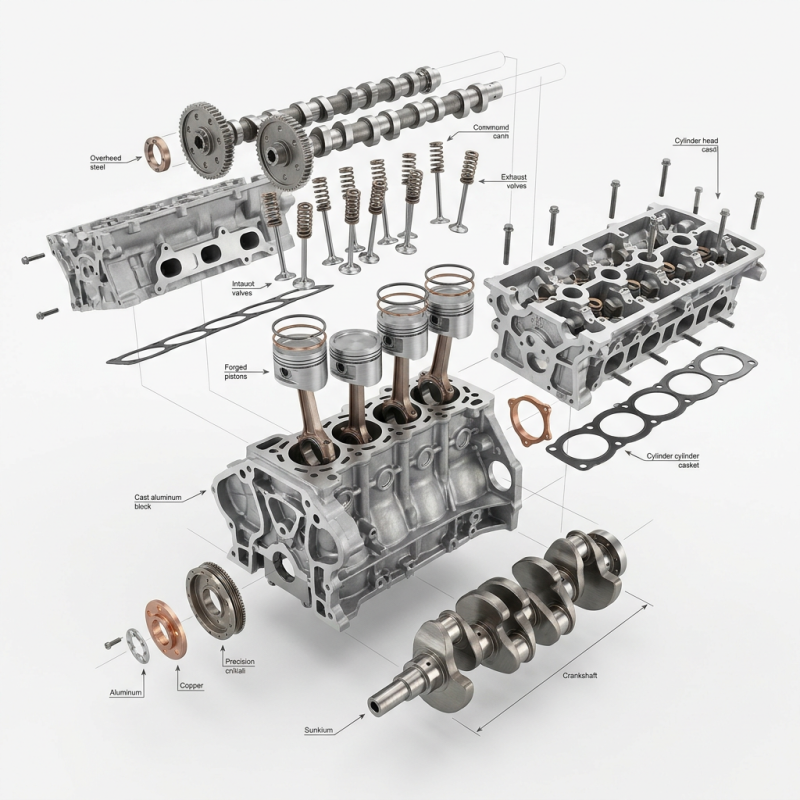
From a structural reinforcement and thermal load-bearing capacity perspective, high-power engines require stronger components and more stringent thermal management to cope with the enormous mechanical and thermal stresses after turbocharging. At the same displacement, the combustion pressure of a high-power engine can be several times that of a low-power engine. This means the cylinder block must have thicker walls and stronger reinforcing ribs; the crankshaft and connecting rods need to use higher-grade forged steel and larger load-bearing cross-sections; the pistons need oil cooling nozzles to dissipate heat accumulated at the top; and the cylinder head gasket and cylinder head bolts must have higher sealing and tightening capabilities. In terms of thermal load, the heat dissipation per unit displacement of a high-power engine far exceeds that of a low-power engine. Therefore, its cooling system requires a larger water pump flow rate, a larger radiator capacity, and a more efficient fan. The engine oil also needs to have higher resistance to heat oxidation. In contrast, low-power engines have a more relaxed range of thermal and mechanical loads, lower requirements for material grades and machining precision, and a larger design margin in their thermal management systems. Therefore, they have significant advantages in terms of purchase cost and ease of maintenance.
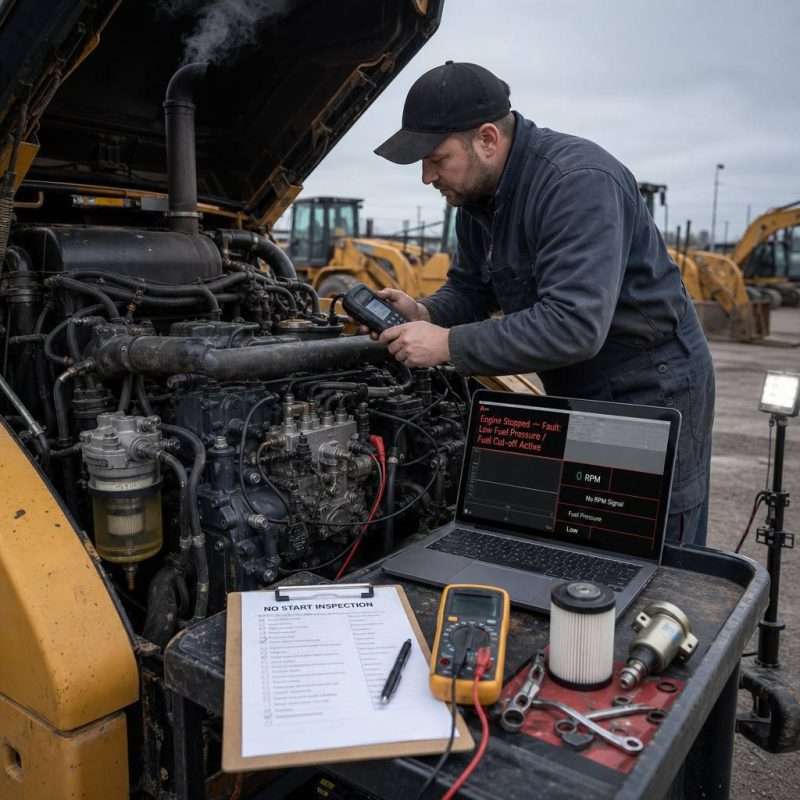
Ultimately, in the distinction between lifespan characteristics, maintenance requirements, and application suitability, power selection is essentially a trade-off between performance and durability. Understanding the boundaries of this trade-off is fundamental to making the right choice. Engine wear rates are closely related to thermal and mechanical loads. Under the same structural strength, higher power output results in a heavier load per unit component and a shorter lifespan. Therefore, high-power engines often trade off increased power for shorter overhaul cycles and more frequent maintenance. Low-power engines, operating at lower load ranges for extended periods, exhibit slower wear rates, longer overhaul intervals, and superior reliability and economy throughout their lifecycle. In terms of application suitability, high-power engines are suitable for scenarios with extremely high requirements for power density, response speed, and acceleration performance, such as high-performance construction machinery, fast-response generator sets, and weight-sensitive mobile devices. Low-power engines are more suitable for applications sensitive to durability, continuous operational stability, and operating costs, such as industrial power equipment operating continuously for extended periods and equipment in remote areas requiring long maintenance intervals. Furthermore, the power output must be matched with the load characteristics of the supporting equipment. Insufficient power will lead to long-term overload operation and shorten its lifespan, while excessive power will result in long-term light-load operation, lower combustion temperature, and increased carbon buildup. Neither approach is economically viable. Understanding the systemic differences between high-power and low-power engines in terms of power density achievement, structural reinforcement level, and lifespan trade-offs is the core basis for making power configuration decisions and operation and maintenance plans.
jianming machinery