John Deere 4045 Diesel Engine Technical Analysis


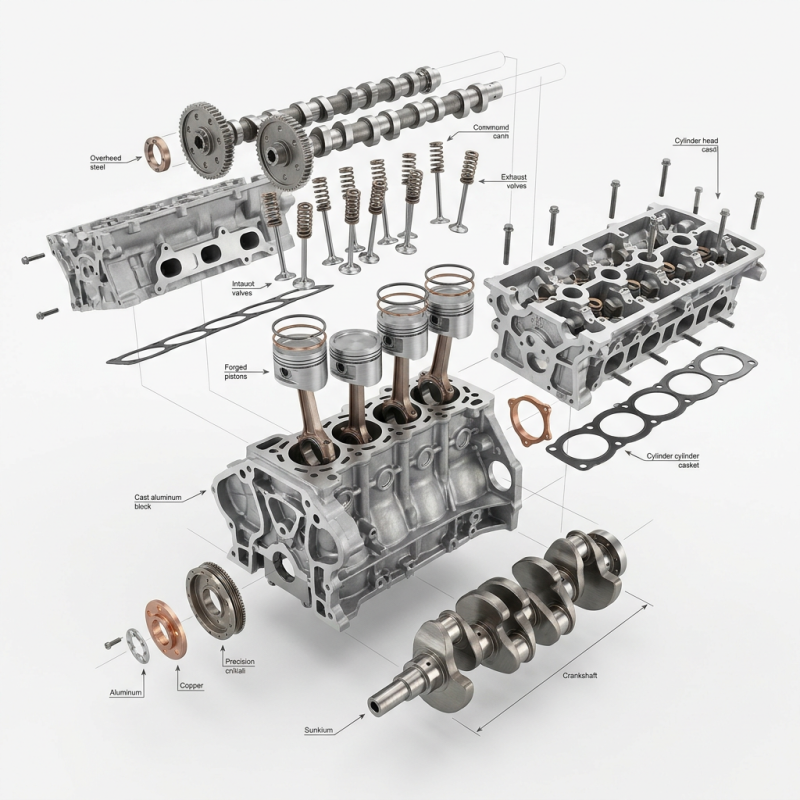
As a benchmark product within the realm of industrial power systems, the John Deere 4045 series engine is engineered around a core philosophy that maximizes both structural rigidity and modular redundancy. This design approach has enabled it to maintain an irreplaceable, dominant position in applications ranging from agricultural harvesting machinery and heavy-duty construction equipment to emergency generator sets operating in the most demanding environments. From a physical architecture standpoint, the 4045 is a 4.5-liter, inline four-cylinder engine. Its specific bore (106 mm) and stroke (127 mm) dimensions represent the John Deere engineering team’s perfect embodiment of the “long-stroke, high-torque output” philosophy. This design ensures that the engine generates abundant rotational torque even at low RPM ranges, thereby endowing the equipment with exceptional stall resistance when encountering sudden loads—such as during excavation—or facing significant drag resistance. Even more ingeniously, the 4045 series was designed from its inception to share a substantial number of core dynamic components—including pistons, connecting rods, and valve train assemblies—with John Deere’s larger 6.8-liter, six-cylinder models (the 6068 series). This modular strategy—essentially a “six-cylinder platform segmentation”—not only vastly enhances the engine’s mechanical redundancy and structural integrity but also delivers exceptional parts commonality and ease of maintenance for users worldwide. Consequently, every moving part within this four-cylinder engine possesses a safety factor robust enough to withstand the operational loads typically associated with a six-cylinder engine—a fundamental physical attribute that explains why this model so rarely suffers from mechanical fatigue failures throughout its long operational lifespan.
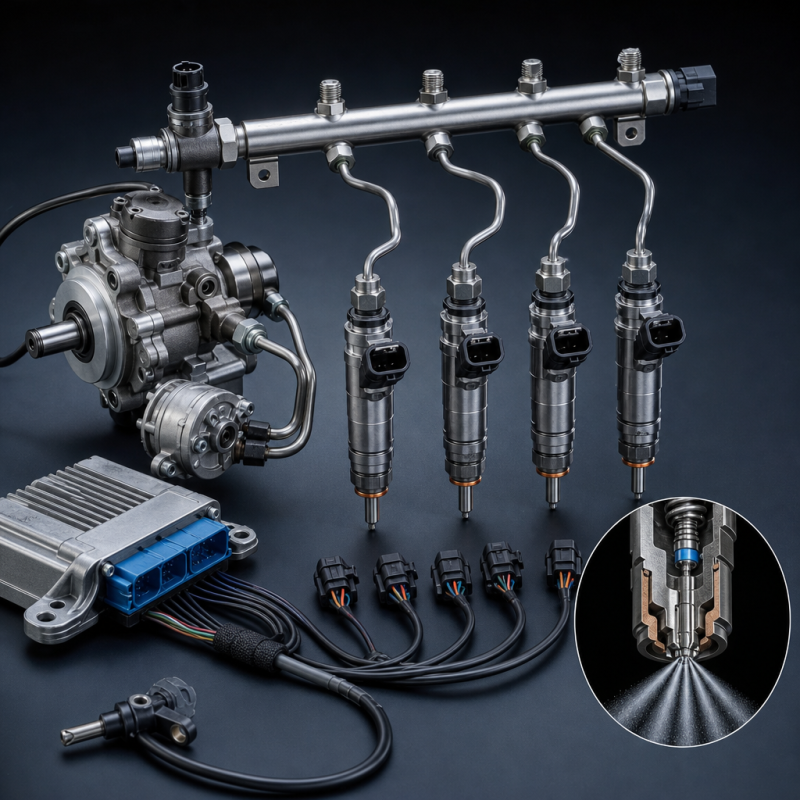
In terms of thermodynamic performance and system control, the 4045 engine has evolved significantly—progressing from early mechanical fuel injection pumps to the modern era of High-Pressure Common Rail (HPCR) electronic control systems—thereby achieving a technological leap from rudimentary combustion processes to sophisticated, precision-driven energy management. Modern iterations of the 4045 engine feature a highly advanced high-pressure common rail injection system capable of executing multi-injection strategies per cycle. When paired with an exhaust-driven turbocharger and an air-to-air aftercooling system (in the TA version), this configuration not only significantly boosts air density but also enables precise, real-time control over peak combustion chamber pressures and temperature fields. This turbocharging and aftercooling technology works by forcibly cooling the compressed, high-temperature intake air, thereby substantially increasing the concentration of oxygen molecules entering the cylinders. Consequently—without altering the engine’s displacement—it extracts higher power density and thermal efficiency while effectively suppressing the massive generation of nitrogen oxides (NOx) at high temperatures. Furthermore, the replaceable wet cylinder liner design adopted in many models serves as a critical safeguard for the engine’s operational longevity. Should the cylinder walls experience wear after thousands of hours of service, maintenance personnel need not resort to costly re-boring of the engine block; instead, a simple extraction and replacement of the liners is sufficient to restore the engine’s peak-performance gas-tightness. This design philosophy—centered on preventive maintenance—profoundly reflects John Deere’s meticulous consideration of the long-term operating costs associated with industrial power systems.
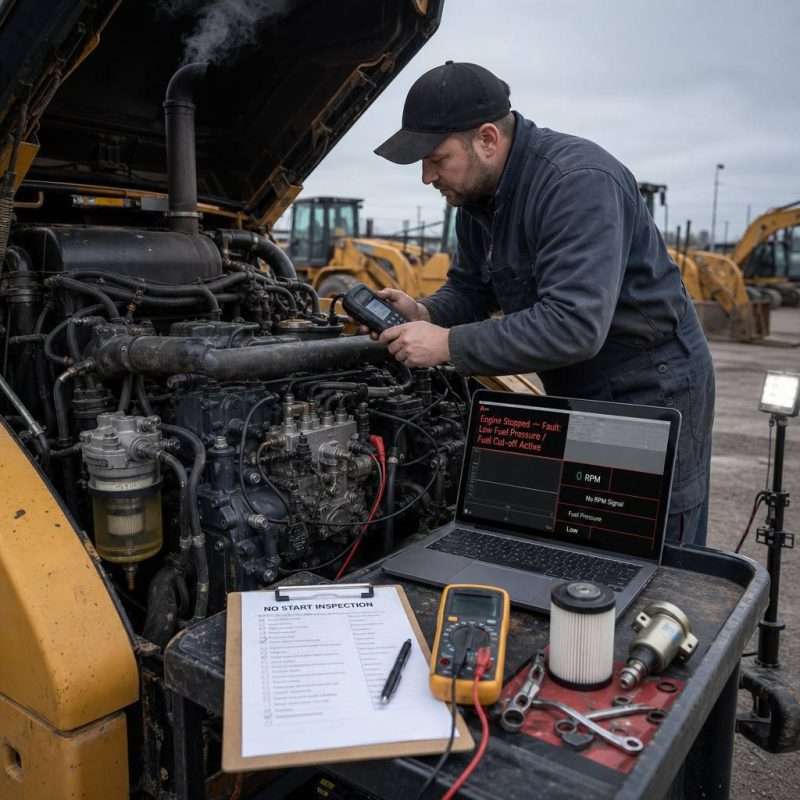
However, as a highly precision-engineered “industrial heart,” the maintenance and service protocols for the 4045 engine must strictly adhere to its inherent physical parameters. In particular, the routine upkeep of the cooling and fuel supply systems often proves to be the decisive factor in whether the engine successfully clears the critical 10,000-hour major overhaul threshold. Given the engine’s sophisticated hot-channel and cylinder liner design, it imposes extremely rigorous requirements on the chemical stability of the coolant. The improper use of ordinary tap water or non-compliant antifreeze solutions can lead to severe cavitation corrosion on the outer surfaces of the cylinder liners, exacerbated by high temperatures and vibration. This physical perforation—triggered by the violent collapse of cavitation bubbles—can, once initiated, result in irreparable damage that necessitates the complete scrapping of the engine block. Consequently, strictly adhering to the prescribed mixture ratios for antifreeze additives stands as an inviolable rule throughout the maintenance process. Similarly, in a high-pressure common rail system, the ingress of even micron-sized particulates can lead to physical clogging of the injector nozzles, subsequently triggering air-fuel ratio imbalances and fluctuations in power output. This necessitates that users not only ensure the filtration precision of the fuel filter but also, in their daily operations, prioritize the pre-separation of moisture from the fuel and its periodic drainage. In essence, the John Deere 4045 engine is not merely a power-generating device; it is a comprehensive power system integrating highly redundant mechanical structures with closed-loop digital controls. Only by grasping its underlying physical principles—ranging from the leverage effects of its long-stroke design to the maintenance parameters of its wet cylinder liners—can one fully harness its engineering potential for longevity and exceptional durability amidst complex operating conditions.
jianming machinery