Diagnostic Logic for Engine Exhaust Smoke Color: In-depth Analysis of the Differences in Combustion Mechanisms and Root Causes of White and Black Smoke Failures


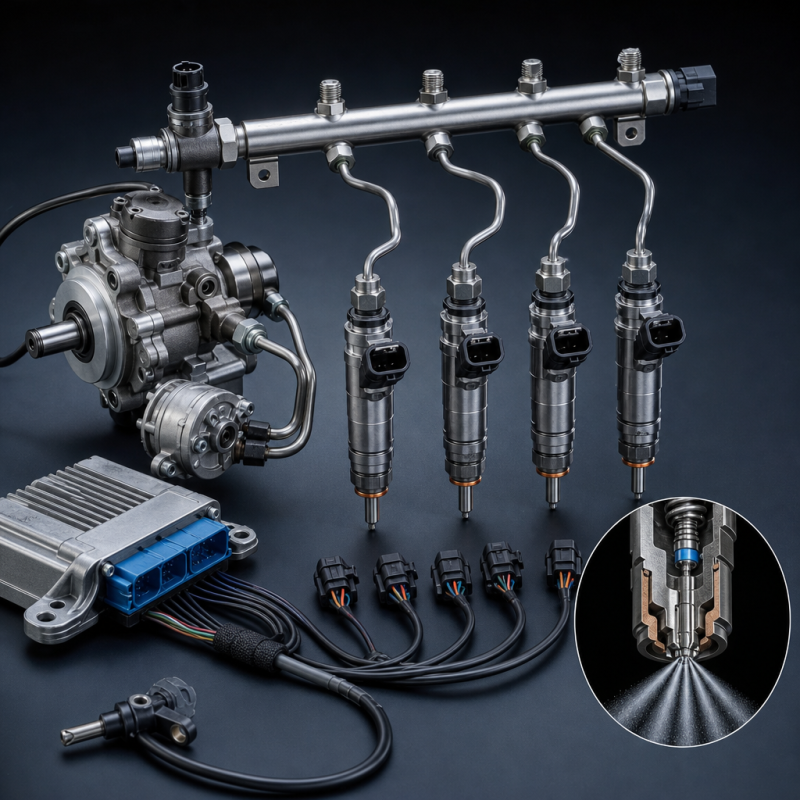
In a visual fault diagnosis system for diesel engines, exhaust smoke color is the most direct signal that the engine is conveying its internal combustion state and mechanical health to the operator. White smoke and black smoke, as products of two completely different physical phenomena, reveal two completely opposite combustion extremes. Black smoke is essentially the thermal dehydrogenation reaction of fuel under high-temperature, oxygen-deficient conditions. A large amount of carbon, unable to combine with oxygen molecules, is expelled in the exhaust as free carbon particles. The root cause is insufficient air supply to support the complete combustion of the current injected fuel. In actual maintenance scenarios, this excessive fuel supply is often caused by severely clogged air filters leading to a sudden increase in intake resistance, reduced turbocharger efficiency causing a decrease in intake air density, or poor injector atomization resulting in excessively coarse fuel droplets that do not have enough time to oxidize. Through years of experience supplying spare parts, Jianming Machinery has come to deeply understand that black smoke not only signifies a sharp deterioration in fuel economy, but also indicates the accumulation of a hard carbon deposit in the combustion chamber. This carbon deposit gradually alters the compression ratio, hinders complete valve closure, and jams the piston rings in the ring grooves, causing them to lose their sealing function. Ultimately, this pushes a high-compression diesel engine into a vicious cycle of power loss and soaring oil consumption. Timely inspection of the intake and fuel supply system matching is a key technical step in curbing black smoke and converting it into effective mechanical work.
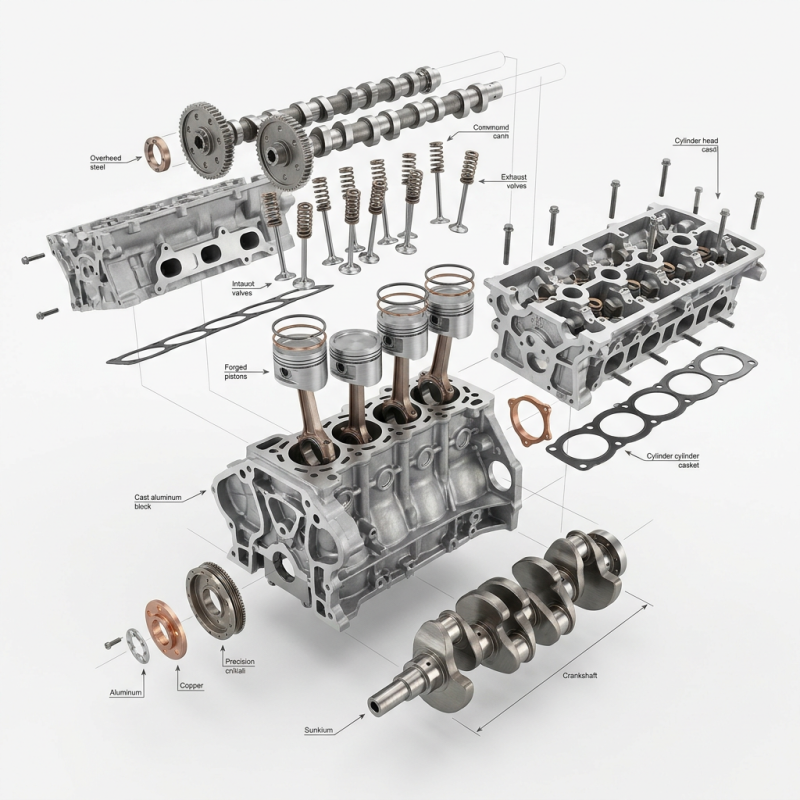
In stark contrast to the rich combustion represented by black smoke, thick white smoke from the engine reveals a severe underheating of the combustion chamber or a failure of the fuel to reach compression ignition conditions, indicating ignition failure or the involvement of abnormal substances in combustion. During the cold start phase in frigid environments, the fuel injected into the cylinder cannot be ignited because the temperature of the cylinder walls, cylinder head, and intake air has not yet reached the critical point required for diesel auto-ignition. Instead, it is pushed directly into the exhaust pipe by the piston in a near-liquid, fine mist form, creating a pungent, bluish-white smoke with a diesel odor. This problem usually indicates a failure of the glow plug system or a reduction in the compression ratio due to cylinder wear. However, if the engine continues to emit large amounts of white smoke after warming up, it has a more serious diagnostic significance. This often indicates that coolant is entering the combustion chamber through a damaged cylinder head gasket, corroded and perforated cylinder liners, or micro-cracked cylinder head water passages. The coolant is converted into superheated vapor at the high combustion temperatures and is expelled as white smoke. This smoke typically does not have a fuel odor but rather a distinctive sweet smell of evaporating coolant, accompanied by continuous bubbling in the coolant reservoir and a drop in the coolant level. Jianming Machinery recommends that once water vapor-like white smoke is confirmed, a cold pressure test must be performed immediately after the engine cools down, and damaged seals must be replaced. Any delay will cause the coolant to further dilute the engine oil, leading to catastrophic crankshaft and bearing failure under high load.
Through comparative analysis of black smoke (representing high-temperature, oxygen-deficient, overly rich combustion) and white smoke (representing low-temperature ignition failure or coolant intrusion), although the root causes of these two smoke colors lie in different parts of the combustion chamber and fuel system, they both point to a common maintenance principle—engine intake efficiency, fuel atomization quality, and seal integrity are like three links in a chain; failure in any link will be indicated by smoke of a different color.
jianming machinery