Analysis of the Hazards of Accidentally Adding Gasoline to a Diesel Engine and Correct Emergency Handling Methods


For diesel engines, mistakenly adding gasoline to the fuel system is a serious operational error. If not detected promptly or if the engine continues to be started, it can cause damage to the fuel injection system, or even more serious damage to core components such as pistons, connecting rods, and cylinder liners, often resulting in very high repair costs.
The root cause of these malfunctions lies in the completely different physical and chemical properties of diesel and gasoline, while the fuel system and combustion method of a diesel engine are designed around diesel fuel.
Gasoline rapidly disrupts the lubrication of the diesel engine’s fuel system.
Besides providing combustion energy, diesel fuel also plays a crucial role in lubricating and cooling the high-pressure fuel system.
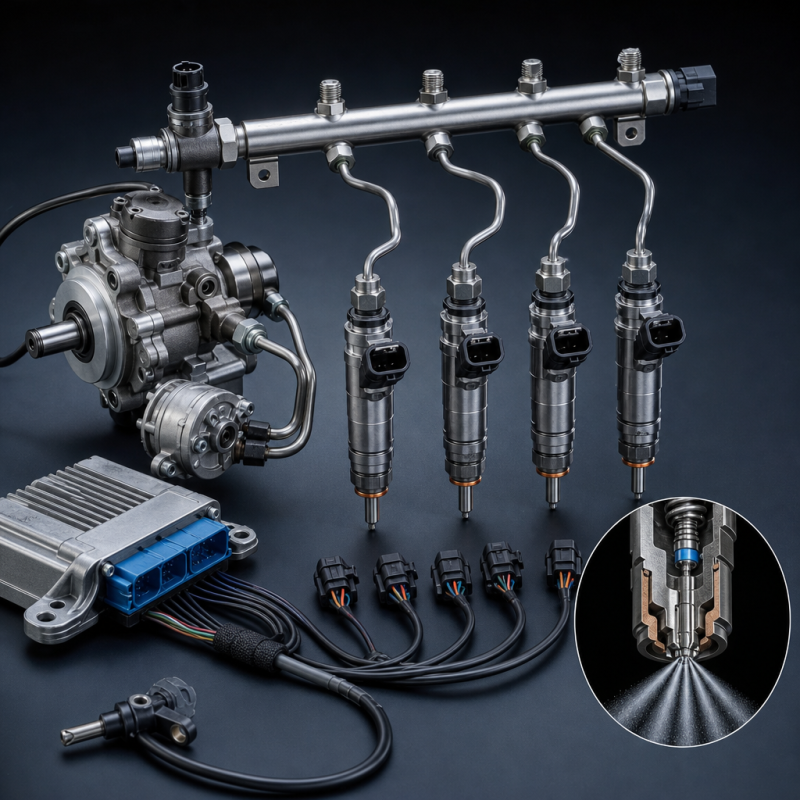
A stable oil film formed by diesel fuel is essential between precision parts such as the high-pressure fuel pump, common rail injectors, plunger pairs, and needle valve assemblies to reduce friction and wear, ensuring injection pressure and accuracy.
Gasoline, on the other hand, is entirely different.
Due to its lower viscosity, gasoline’s lubricating properties are far inferior to diesel fuel. When gasoline enters the high-pressure fuel system, it disrupts the existing lubricating film, causing direct dry friction between metal parts. Under high pressure and high-speed reciprocating motion, precision mating surfaces such as plungers and needle valves are highly susceptible to scratches, scoring, and even jamming.
Based on Jianming Machinery’s long-term experience serving construction machinery customers, some common rail diesel engines, if mixed with gasoline and continued to run, may experience malfunctions such as decreased injection pressure, engine vibration, insufficient power, or even automatic shutdown within minutes. In severe cases, the high-pressure fuel pump and all injectors need to be replaced, with repair costs far exceeding those of a fuel system cleaning.
Therefore, once it is confirmed that gasoline has been mistakenly added to a diesel engine, immediately shutting off the engine and preventing it from being restarted is the most effective measure to minimize damage.
Gasoline affects the normal combustion of diesel engines.
If the mixed fuel has already entered the combustion chamber, the problem will not be limited to the fuel system.
Diesel engines operate using compression ignition, relying on a high compression ratio to raise the air temperature before injecting diesel fuel for stable auto-ignition. Therefore, a high cetane number is required to ensure timely ignition and stable combustion.
Gasoline, on the other hand, has a high octane number and a low cetane number, resulting in combustion characteristics that differ significantly from diesel. In diesel engines, gasoline may cause ignition delay, deviating the combustion process from normal operating conditions. This leads to increased combustion pressure fluctuations, potentially causing knocking or abnormal combustion.
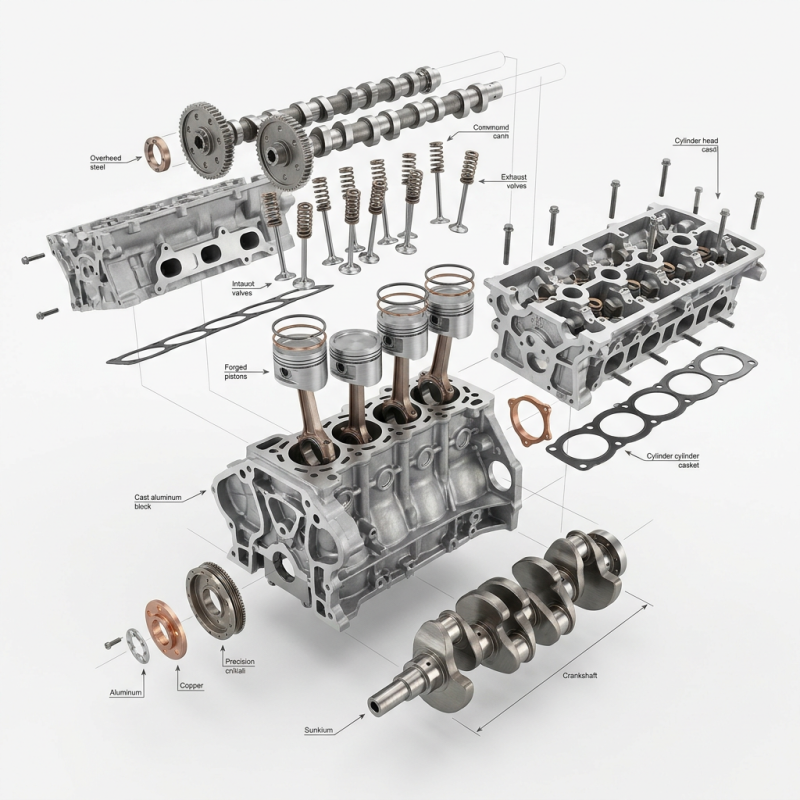
When abnormal combustion persists, the piston top, connecting rod, crankshaft bearings, and cylinder head gasket will all bear greater mechanical loads. As the impact accumulates, it can cause piston ring damage, cylinder head gasket leaks, connecting rod deformation, and in severe cases, even piston burning or internal engine mechanical damage.
Furthermore, gasoline’s high volatility can dilute and wash away the lubricating oil film on the cylinder walls, resulting in insufficient lubrication between the piston rings and cylinder liners, accelerating cylinder liner wear, and increasing the risk of cylinder scoring.
If the engine is already running and accompanied by abnormal knocking, reduced power, or abnormal exhaust, it is recommended to stop using it and perform an endoscopic inspection of the combustion chamber. Simultaneously check the cooling system pressure to confirm whether there is damage to the cylinder head, cylinder head gasket, and combustion chamber. Continuing to attempt to “burn off the mixed fuel” by idling is not advisable and may further exacerbate the problem.
Correct Emergency Handling Procedure
The speed of handling after discovering that gasoline has been mistakenly added to a diesel engine directly affects the final repair cost.
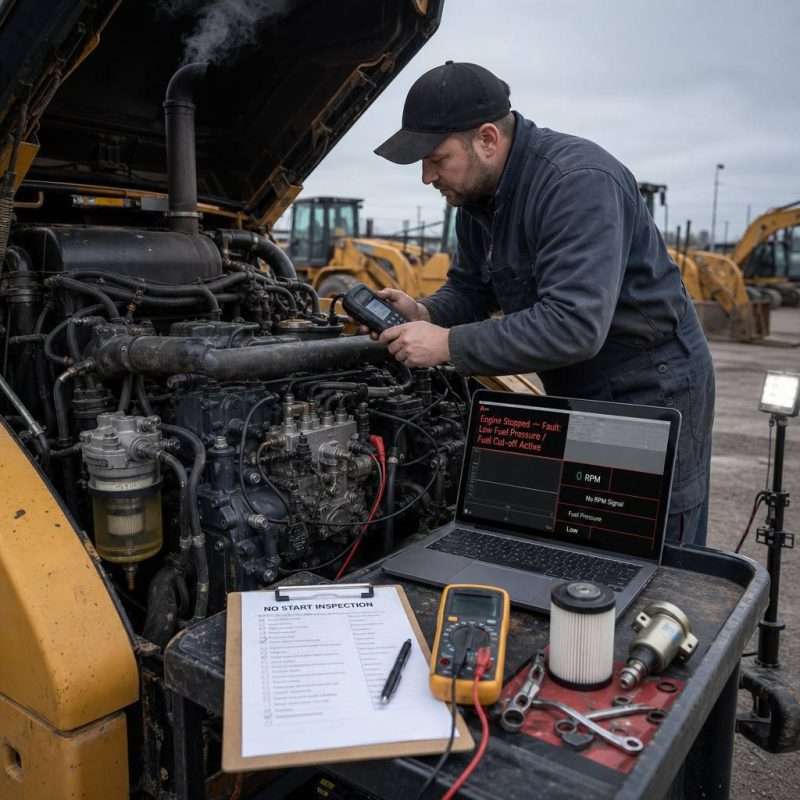
If the engine is not yet started, stop operation immediately. Use specialized equipment to completely bleed the mixed fuel from the tank, clean the tank and low-pressure fuel lines, replace the fuel filter, and add new diesel fuel that meets the required specifications before bleeding and starting the engine.
If the engine has already been started or running for some time, after cleaning the fuel system, further check the high-pressure fuel pump, common rail injectors, and fuel pressure. If necessary, disassemble and inspect the injectors for injection pressure and return flow tests, and check the valve train, rocker arms, camshaft, and related components for wear or impact damage caused by abnormal combustion.
For common rail diesel engines, it is recommended to simultaneously check engine fault codes and combine this information with data such as fuel pressure and injection correction for a comprehensive assessment to avoid overlooking potential faults.
Conclusion
Mistakenly adding gasoline to a diesel engine is not a simple fuel mixing problem, but a systemic malfunction involving fuel lubrication, injection control, and the combustion process. The timeliness of the response often determines whether repair costs remain at the level of fuel system cleaning or escalate to a major overhaul of the high-pressure fuel pump, injectors, or even the entire engine assembly.
For diesel-powered equipment such as construction machinery, generator sets, and commercial vehicles, if the wrong fuel is found, the engine should be stopped immediately or not. Professional maintenance personnel should conduct a comprehensive inspection and treatment of the fuel system to minimize equipment damage and ensure the long-term stable and reliable operation of the engine.
jianming machinery