An In-depth Technical Overview of Volvo Engine Power Logic and Core Strengths and Weaknesses


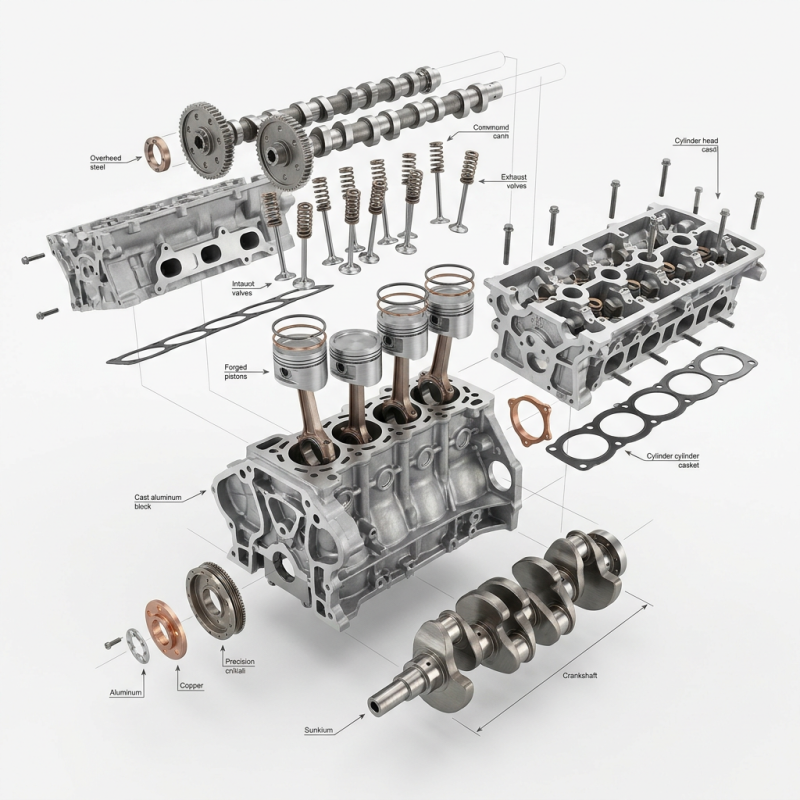
Volvo engines have established a commanding market position in the construction machinery sector—particularly for excavators—thanks to their exceptional fuel economy and robust power delivery. Their core technical advantage lies in Volvo’s signature “low-RPM, high-torque” design philosophy; when paired with the advanced V-ACT system, the engine generates immense power even at lower RPM ranges. This characteristic aligns perfectly with the dynamic load demands of excavator hydraulic systems, not only significantly enhancing response times during simultaneous operations but also reducing overall fuel consumption by minimizing inefficient reciprocating friction. The engines’ durability stems from a reinforced block structure and internal components—such as crankshafts, bearings, and connecting rods—manufactured to rigorous material standards, enabling them to easily withstand prolonged, heavy-duty excavation tasks. Furthermore, their superior performance in noise and vibration control (NVH) creates a better working environment for operators and reduces fatigue-related wear on the machine itself; this engineering integrity has made them a benchmark for power systems in the high-end construction machinery market.
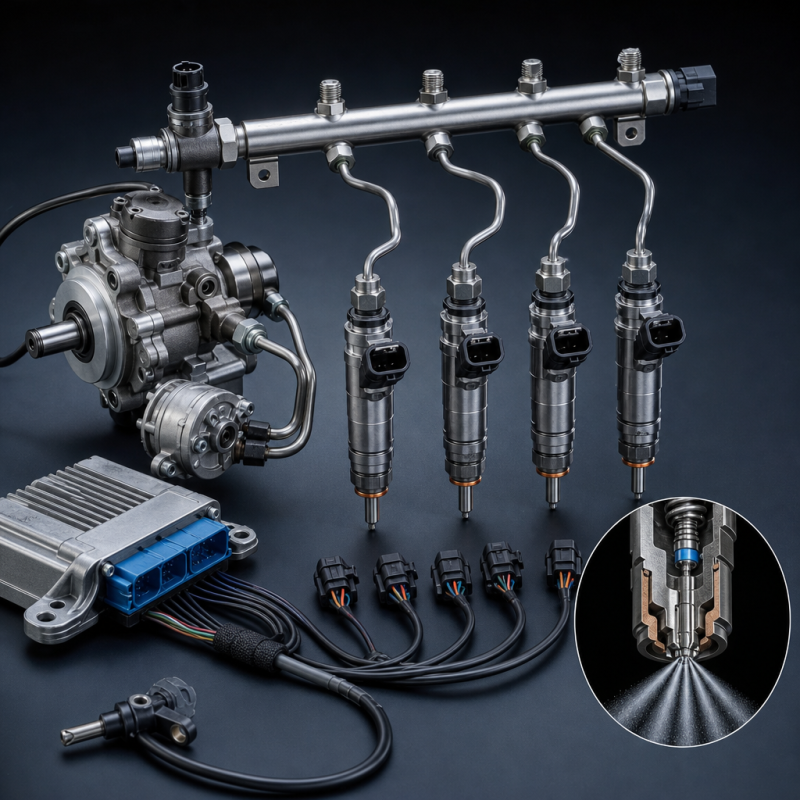
However, the high performance of Volvo engines comes with challenges regarding maintenance requirements and system complexity. The sophisticated Engine Management System (EMS)—a key strength that enables intelligent power distribution and fault warnings—also necessitates a heavy reliance on specialized diagnostic tools and expert technicians. At remote job sites lacking professional support, even minor issues with electronic sensors or control units can trigger the machine’s protection mode, making troubleshooting significantly more difficult than with traditional mechanical engines. Additionally, owners must contend with the high cost of genuine Volvo spare parts, and the engines are highly sensitive to fuel quality. Due to the use of high-pressure common-rail injection systems, the long-term use of low-quality diesel—characterized by impurities or poor lubricity—can easily cause premature wear on precision injectors and high-pressure pumps, leading to power loss, black exhaust smoke, or even total system failure. These limitations can, however, be effectively mitigated through systematic preventive maintenance. By utilizing high-standard filtration systems and high-quality, perfectly compatible spare parts, the return on investment for Volvo engines can be significantly enhanced over their entire lifecycle, transforming substantial maintenance expenditures into more enduring operational output. As global emission standards for excavators continue to tighten, Volvo’s leading-edge technologies in turbocharging and after-treatment systems (such as DPF and SCR) have secured the company a strategic advantage in environmental compliance.
jianming machinery