An In-Depth Analysis of the Advantages and Disadvantages of Yanmar Engines


Yanmar engines hold a near-monopoly in the sector of small industrial machinery—particularly in the under-50-horsepower range—and compact excavators. Their engineering philosophy differs radically from the heavy-industry DNA of Mitsubishi or the commercial-vehicle heritage of Hino; instead, Yanmar focuses on “extreme compactness and high-speed operational efficiency.”
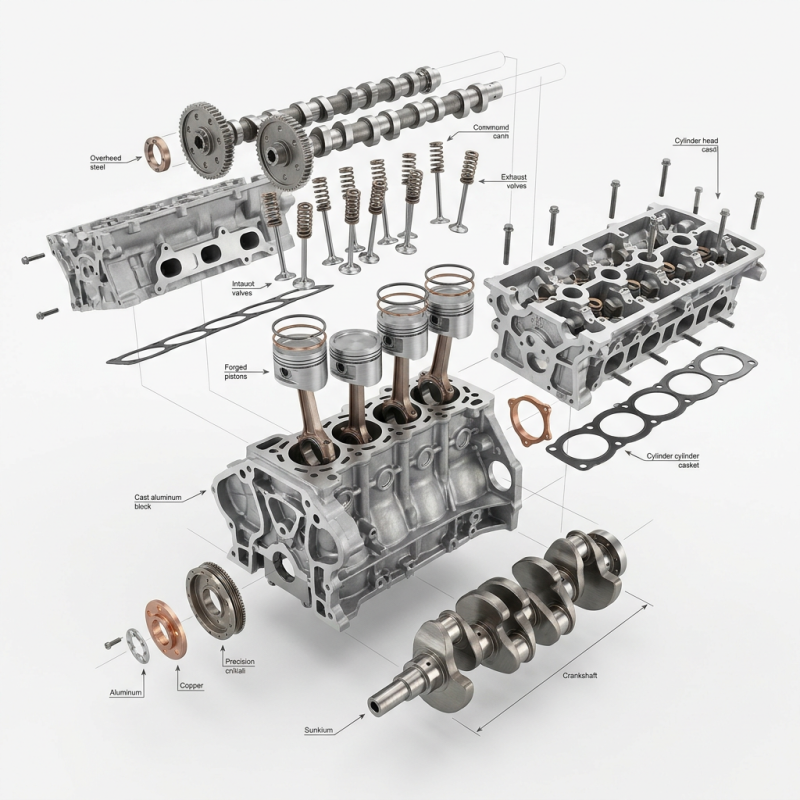
Yanmar’s distinct advantages lie in its unrivaled power-to-volume ratio and superior lightweight design. Having long cultivated the markets for small agricultural machinery and compact construction equipment, Yanmar’s engine architecture prioritizes maximizing torque output per unit of volume. These engines typically offer excellent transient response; their combustion systems—such as the renowned TNV series—feature optimized swirl chamber designs that maintain outstanding fuel atomization efficiency despite very small displacements. This design ensures smooth, lag-free power delivery during the precise, minute movements required of excavators. Furthermore, Yanmar engines boast a high degree of component integration; their vertically integrated manufacturing system ensures seamless coordination between parts like the crankshaft and fuel injection pump. Consequently, the engines generate manageable heat levels during prolonged full-load operation and achieve top-tier reliability among small engines in their class.
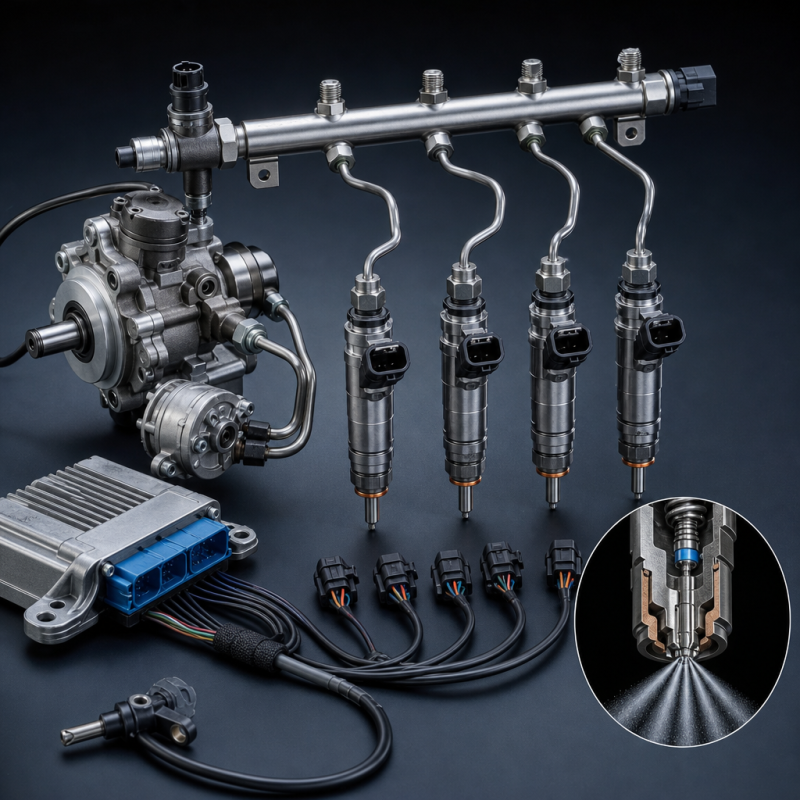
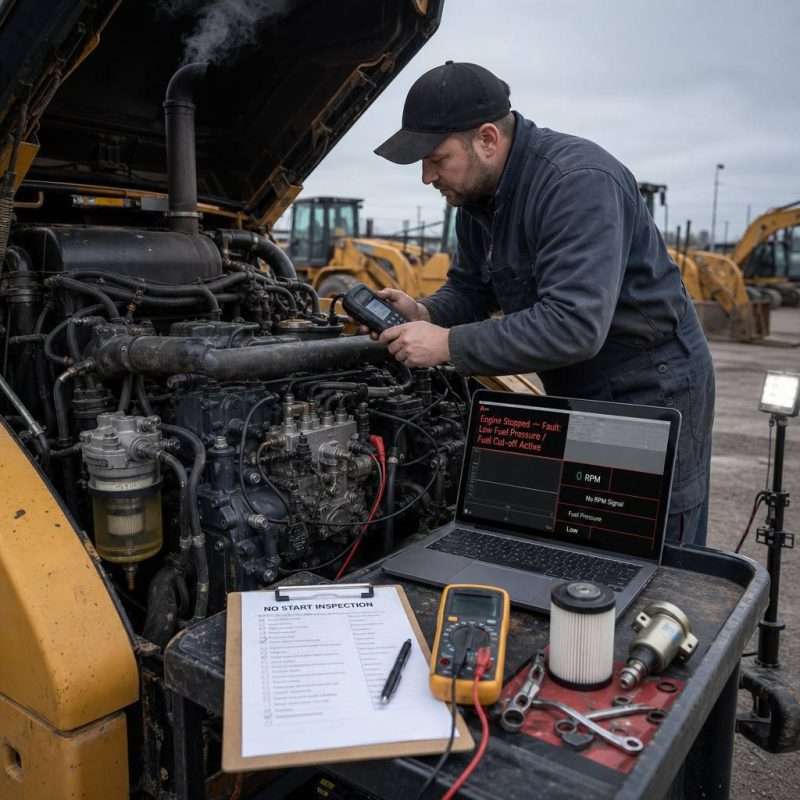
However, the downsides of Yanmar engines also stem from that very same “extreme compactness” design philosophy. First, maintenance access is cramped and highly specialized; the drive for extreme component integration means sensors and actuators are often packed into tight spaces, creating significant challenges for field technicians who may need to remove numerous auxiliary parts just to reach a fault point. Second, these engines are far more sensitive to fuel quality than large-displacement industrial engines. Because Yanmar favors ultra-precise, micro-orifice fuel injectors to boost combustion efficiency, the use of low-quality diesel—containing high sulfur or impurities—can easily lead to gum deposits. This degrades the fuel spray pattern, causing issues such as black smoke, engine vibration, or power loss. Finally, when scaling up to higher-power, large-scale applications, Yanmar lacks the market share and technical legacy of giants like John Deere or Cummins; this means that for large equipment, the availability of spare parts and full-lifecycle support for Yanmar engines may not match that of mainstream large-engine manufacturers.
In summary, if you are looking for a compact excavator or piece of compact equipment—characterized by lower horsepower, an ultra-compact footprint, and responsive power delivery—Yanmar is the premier choice. However, if your operations involve large-scale mining or heavy-duty construction, or if local fuel quality is highly inconsistent, you should carefully weigh the maintenance demands associated with its high-precision fuel injection system before making a purchase.
jianming machinery