An Analysis of the Advantages and Disadvantages of Hino Engines

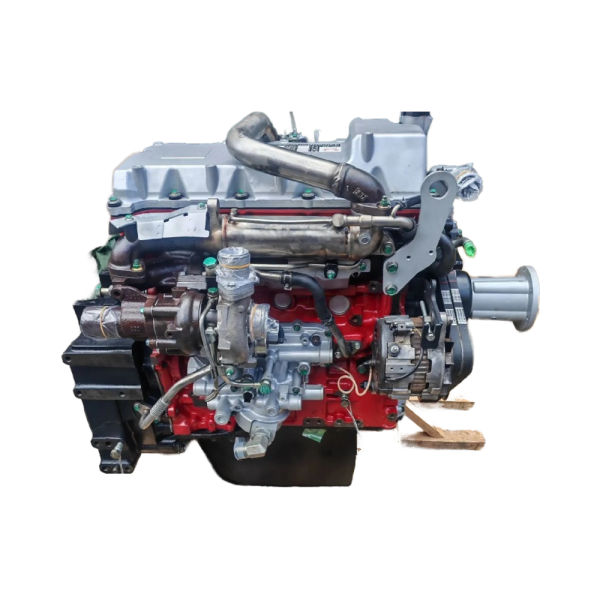
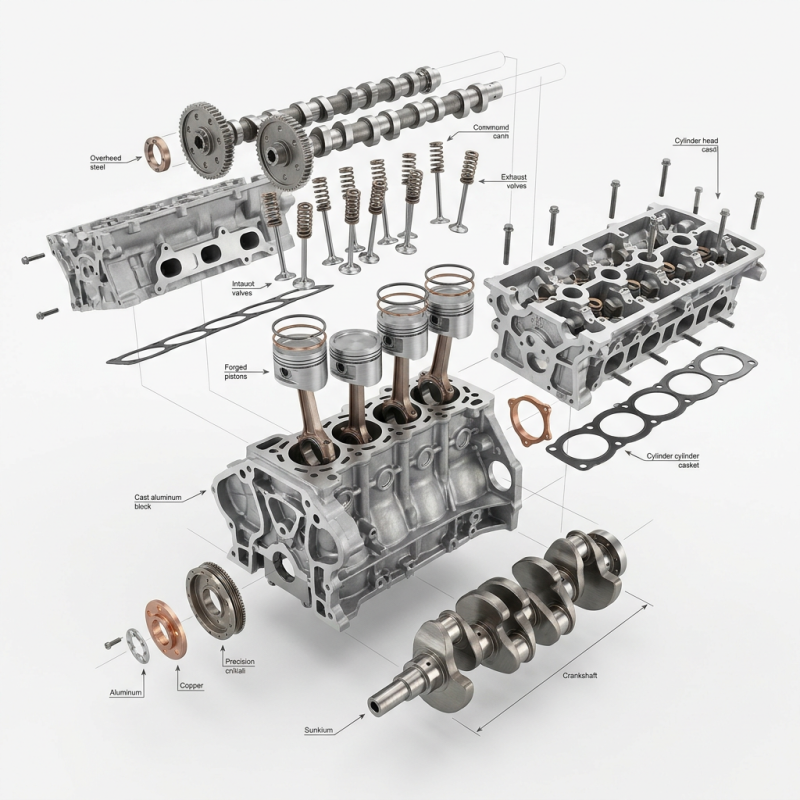
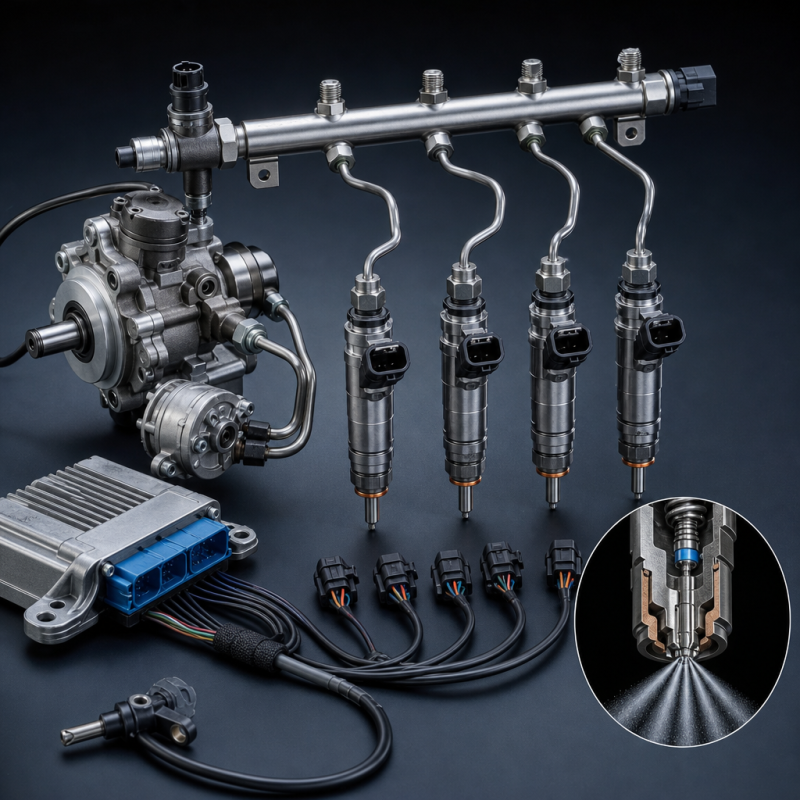
As a heavyweight internal combustion engine platform in the construction machinery sector, Hino engines derive their exceptional performance under harsh operating conditions from the deep industrial heritage of Toyota’s commercial vehicle division. Their core strength lies primarily in the seamless integration of robust low-end torque output with the hydraulic system. During heavy-duty tasks such as excavating or breaking, hydraulic pumps impose sudden, heavy loads on the engine; Hino’s long-stroke geometry and precision-tuned high-pressure common-rail direct injection system provide abundant low-end torque reserves, allowing the engine to handle load spikes effortlessly within the 1500–1800 RPM economic range and effectively preventing the engine from stalling or “bogging down” during operation. Furthermore, leveraging years of expertise in combustion thermodynamics optimization from the commercial vehicle sector, these engines offer outstanding fuel efficiency. Combined with a highly rigid, thick-walled cast-iron cylinder block and replaceable wet cylinder liners, the engine’s mechanical lifespan and overhaul durability easily exceed the 10,000-hour threshold, serving as a reliable foundation for the rigorous demands of construction machinery operations.
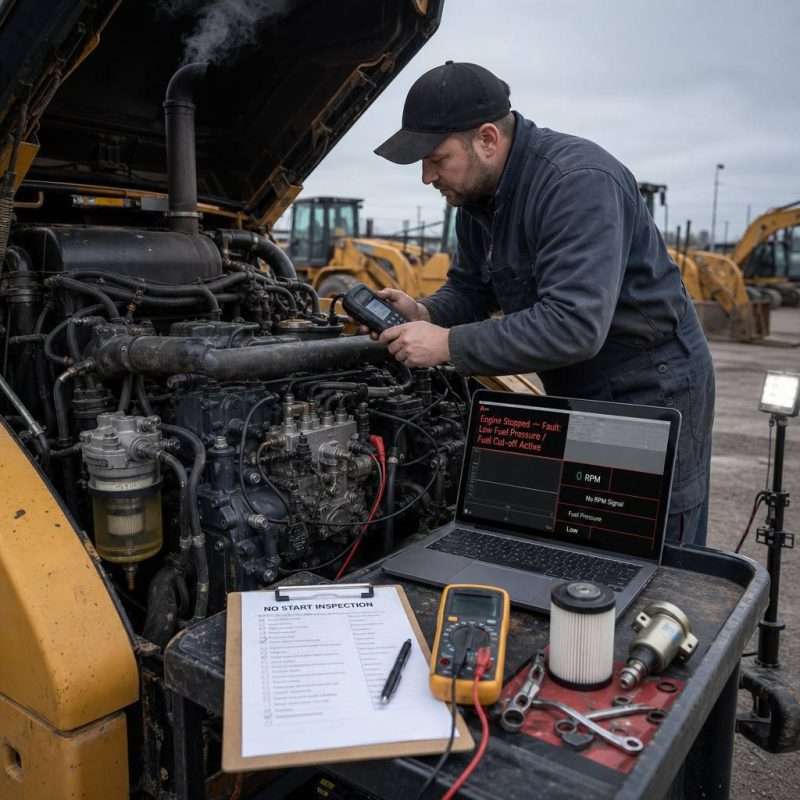
However, with the comprehensive implementation of global emission regulations for non-road mobile machinery, Hino’s technical approach to modern eco-friendly after-treatment systems has revealed limitations regarding adaptability to harsh job sites. To meet stringent particulate matter (PM) and nitrogen oxide (NOx) emission standards, modern Hino industrial diesel engines must incorporate complex exhaust after-treatment systems, including Diesel Particulate Filters (DPF) and Selective Catalytic Reduction (SCR/urea injection) systems. In punishing environments—such as mining or tunneling operations with high dust concentrations, or remote areas where fuel sulfur content exceeds limits—these sensitive after-treatment components and sensors are prone to failure. Issues include frequent clogging, excessive soot accumulation, or an inability to initiate active regeneration due to insufficient exhaust temperatures; such malfunctions can range from triggering frequent engine warnings and torque derating to completely immobilizing the equipment by forcing it into “limp mode.” Furthermore, Hino engines feature highly integrated electronic control systems; once outside the authorized service network, independent repair shops often struggle to access low-level fault code definitions and proprietary diagnostic software. This indirectly drives up costs associated with downtime and expensive parts replacement when the exhaust after-treatment system fails to adapt to local operating conditions.
In summary, Hino excavator engines excel in three key engineering metrics—fundamental mechanical durability, low-end torque response, and everyday fuel economy—making them ideal power units for standard earthmoving and urban construction projects. However, the exhaust after-treatment system’s susceptibility to failure when exposed to poor-quality fuel or high-dust environments, combined with significant barriers to digital maintenance, represents a distinct disadvantage for operations in extremely remote areas involving heavy-duty workloads.
jianming machinery