An In-depth Analysis of the Strengths and Weaknesses of Kubota Engines

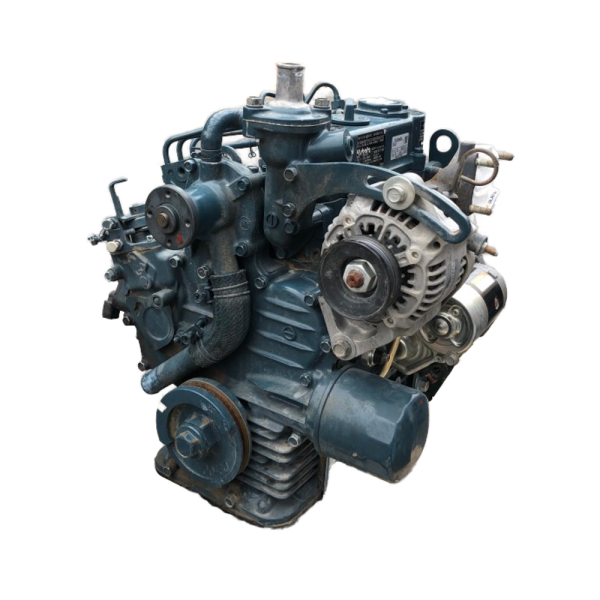
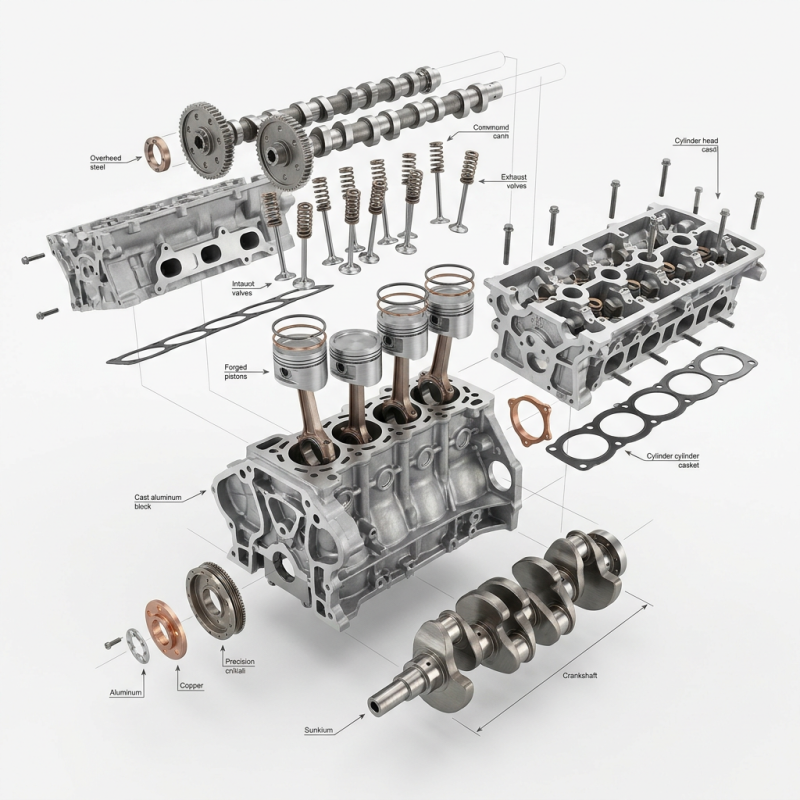
As a leader in the compact power sector, Kubota engines embody an engineering philosophy fundamentally distinct from that of mainstream Western heavy-duty engine brands; they champion a concept of “high-precision integration” tailored for compact construction machinery, agricultural and horticultural equipment, and small generator sets. Their most striking engineering attributes are exceptional power density and a compact physical footprint. Through highly integrated optimization of cylinder block cooling channels and precise valve train layout, these engines deliver impressive transient power response within a minimal spatial envelope, providing equipment such as mini-excavators and skid-steer loaders with a highly responsive, lag-free hydraulic operating feel. Furthermore, Kubota’s deep expertise in combustion chamber thermodynamics—specifically fuel injection systems tailored for small-displacement engines—ensures high combustion efficiency across a broad RPM range. Complemented by a user-centric design that places key components within easy reach for technicians, Kubota engines consistently rank at the top of the industry for lifecycle maintenance convenience and residual asset value.
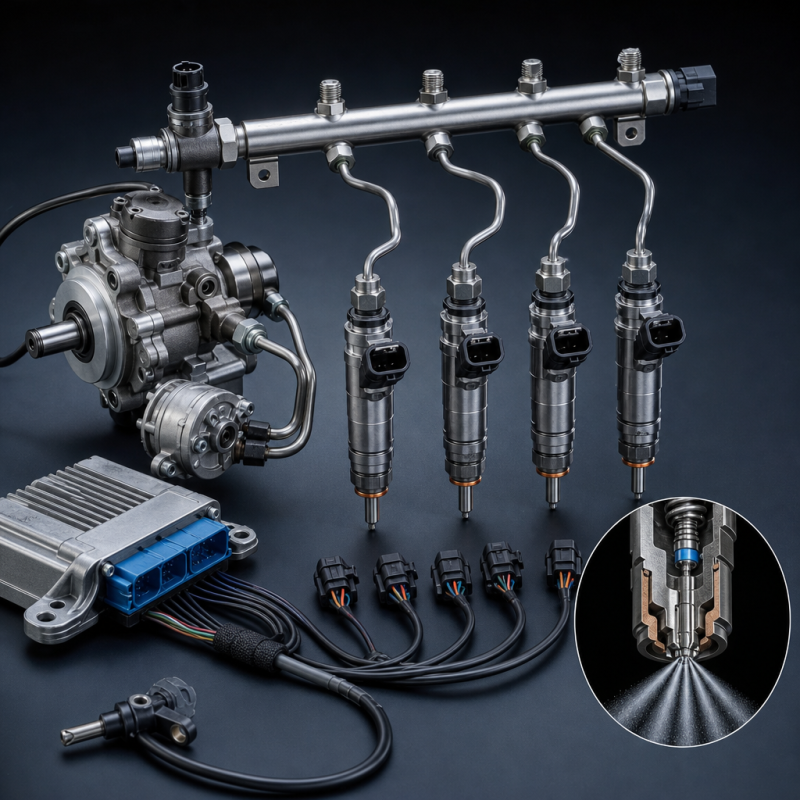
However, this relentless pursuit of extreme precision and compactness also creates potential operational challenges in complex industrial environments. Unlike heavy-duty diesel engines that utilize “rugged designs” to withstand fluctuations in fuel quality, Kubota power systems—relying on ultra-precise micro-orifice injectors and sophisticated electronic fuel injection strategies—exhibit an extreme sensitivity to fuel purity. At remote job sites lacking proper filtration standards, fine particulates and excessive sulfur content in low-quality diesel can easily cause gum deposits on injectors and degrade the spray pattern; this leads to issues such as engine vibration, black smoke, and even a complete loss of power. Deeper challenges arise from increasingly stringent environmental regulations; as modern Kubota power units integrate sophisticated electronic sensors and complex exhaust after-treatment systems, the overall level of electronic integration and sensor density has risen sharply. While this evolution improves emissions performance, it also significantly increases the risk of electronic component failure in environments characterized by extreme dust, high humidity, and heat. Furthermore, the highly proprietary nature of the core electronic control protocols often forces end-users to rely on expensive OEM diagnostic tools for troubleshooting, thereby raising the barrier for third-party maintenance and repair.
When evaluating the engineering performance of Kubota engines, they are essentially “precision industrial power units” designed for highly disciplined, meticulous operations; they demonstrate unrivaled competitiveness in terms of power efficiency and ease of maintenance for compact construction equipment. For fleet operators specializing in urban earthworks, precision agriculture, or high-end light logistics, choosing a Kubota engine typically means trading off some robustness under extreme operating conditions in exchange for superior energy efficiency and precise operational control. However, for heavy-duty fleets operating in remote locations with harsh environments and unreliable fuel supplies, Kubota’s high-precision nature—and its demanding requirements for the maintenance environment—can lead to prohibitive operational costs. Ultimately, evaluating a Kubota engine requires precisely balancing the operational need for power precision and efficiency against the dependency on external support infrastructure. If your equipment is compact and demands rapid operational response, Kubota is undoubtedly a top global choice; conversely, if you must contend with poor fuel quality and rudimentary maintenance conditions in remote areas, then the investment in preventive maintenance and systematic protective design for this power platform must be carefully planned as a critical component of project management.
jianming machinery