In-depth Analysis of the Strengths and Weaknesses of Weichai Engines


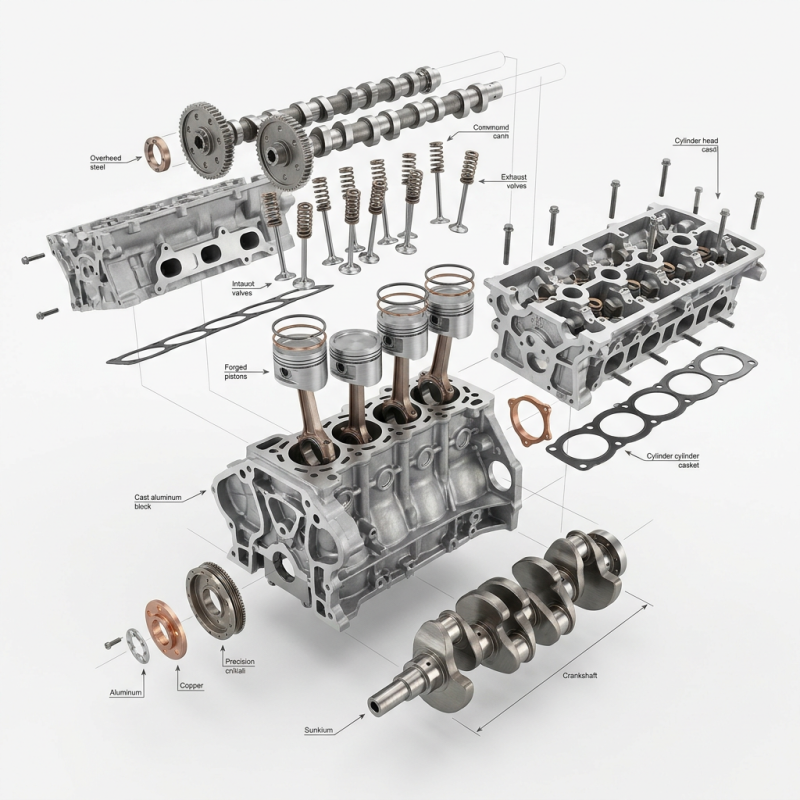
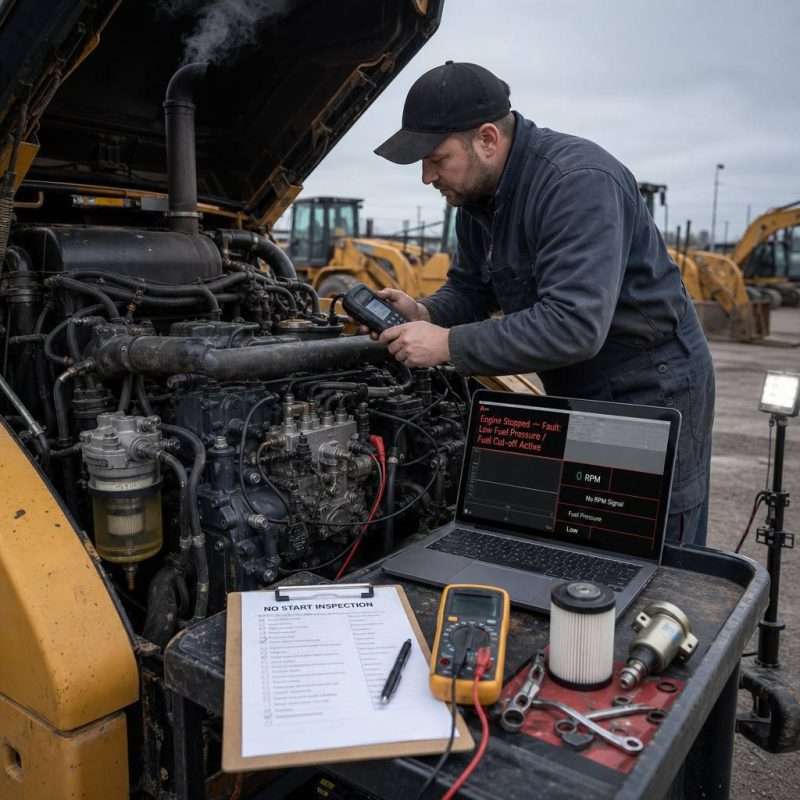
As a leader in China’s industrial power sector, Weichai Power’s rise in the markets for heavy-duty commercial vehicles, construction machinery, and large-scale power generation equipment stands as a textbook example of success driven by “economies of scale and vertical technical integration.” Its core engineering strategy centers on delivering reliable, heavy-duty power at an exceptional price-performance ratio, while establishing formidable engineering barriers tailored to China’s diverse geography and variable fuel quality. Weichai engines excel in their adaptability to demanding operating conditions and their ease of maintenance. Unlike top-tier international brands, Weichai factored in the specific needs of Chinese users—such as operation in high-dust environments, at high altitudes, under heavy overloads, and with inconsistent fuel quality—right from the initial design phase. The engine architecture is exceptionally robust, featuring high-strength cast-iron cylinder blocks and heavy-duty crankshafts capable of withstanding the intense forces generated by prolonged, high-load operation. Crucially, Weichai has established an extensive after-sales service network across China; the accessibility and affordability of its spare parts are unmatched by imported brands. This means that in the event of a breakdown in remote areas, repairs can be carried out quickly using readily available, general-purpose service solutions—eliminating the need to wait for costly overseas parts shipments and thereby minimizing potential losses from equipment downtime.
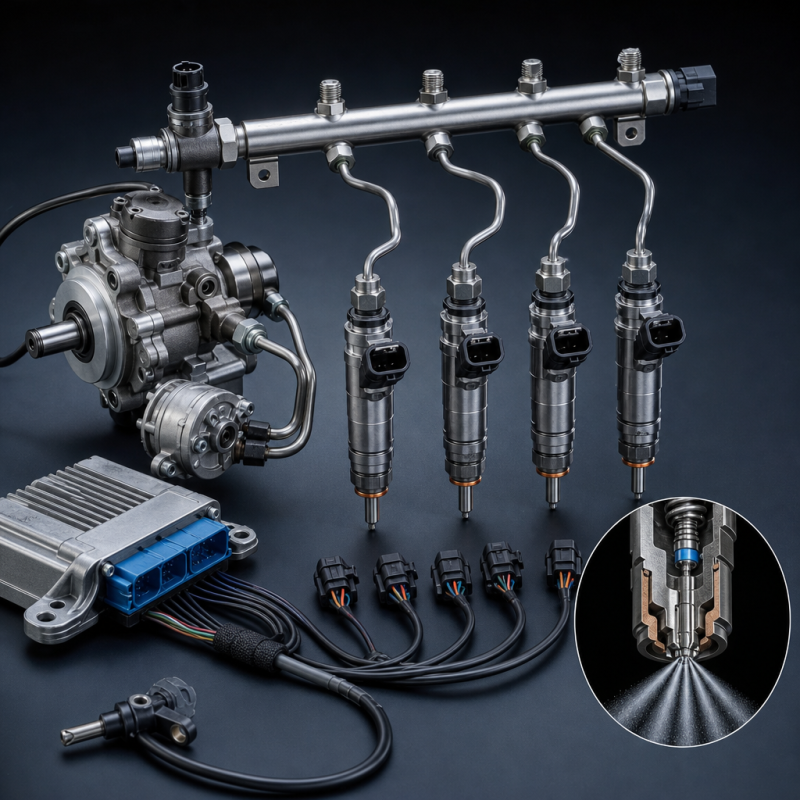
However, Weichai still lags behind the world’s leading engine manufacturers in terms of accumulated expertise in high-end, precision technologies and brand premium. When addressing increasingly stringent Euro VI/China VI emission standards, Weichai’s approach to the logic and precision of electronically controlled after-treatment systems appears somewhat conservative compared to established European manufacturers like MAN or Mercedes-Benz. The application of lightweight materials in its engines also trails behind; to ensure structural integrity under extreme conditions, Weichai engines tend to be heavier, which slightly limits their competitiveness in sectors prioritizing maximum energy efficiency and lightweight vehicle designs—such as passenger transport or high-end logistics. Furthermore, the NVH (noise, vibration, and harshness) tuning of Weichai engines for high-end applications is relatively “rugged.” While such vibration characteristics are acceptable for industrial machinery, the engines lack the refinement and operational smoothness of top-tier international power platforms—qualities that are highly valued in logistics and transport scenarios where driving comfort is paramount. This design philosophy—prioritizing robust mechanical capabilities over sensory refinement—has made it difficult for the brand to bridge the perception gap in the high-end market. Some users report that, after prolonged operation, the engine’s fuel consumption fluctuates significantly due to mechanical wear, a result of the relatively simplistic adaptive strategies employed by its electronic fuel injection system; for logistics fleets focused on precision operations, this represents a significant, unavoidable cost factor.
In summary, Weichai engines epitomize “industrial-grade power.” They were not designed to chase extreme emission figures or smoothness in laboratory settings, but rather to ensure survival under the harshest field conditions where meticulous maintenance is often unavailable. For operators engaged in heavy-duty earthmoving, long-haul logistics, or mining—sectors demanding absolute reliability alongside frequent, low-cost maintenance—Weichai’s combination of high mechanical redundancy and ultra-low parts costs offers an irreplaceable solution. Weichai’s core strength lies in balancing maintenance economy and mechanical reliability against fuel efficiency and operational smoothness. As the company rounds out its high-end technology portfolio through acquisitions like Baudouin, it is evolving into a global powerhouse in integrated powertrain systems; however, transitioning from “Chinese speed” to “world-class power” will require a long journey of engineering advancement, particularly in the areas of deep adaptive electronic control algorithms and lightweighting technologies using advanced manufacturing materials.
jianming machinery