Why do the same engine models come with different power outputs and model suffixes? Understanding these differences ensures you won’t make a mistake when selecting the right engine.


When purchasing engines, many people notice that engines within the same series not only come in various power ratings but also feature different alphanumeric suffixes in their model names. While these might appear to be mere naming conventions at first glance, each power setting and suffix actually signifies distinct technical specifications, application scenarios, and emissions compliance standards—far from being arbitrary choices by the manufacturer.
Industrial engines are not standardized “plug-and-play” products; rather, they are power systems that must be matched and optimized according to specific equipment operating conditions. Understanding these differences is crucial for equipment selection, parts procurement, and future maintenance.
Why do engines with the same displacement have different power ratings?
Many users assume that identical displacement implies identical power output. In reality, a single base engine platform can yield multiple power ratings, a result of manufacturers optimizing the engine for different operating conditions.
- Meeting diverse operational needs
Different types of equipment place vastly different demands on engine performance.
For instance, logistics vehicles prioritize torque output at low-to-medium RPMs and fuel economy, requiring stable, long-duration operation. Conversely, construction machinery, mining equipment, and generator sets often operate under continuous high loads, necessitating higher rated power and sustained output capabilities.
To accommodate these varied applications, manufacturers adjust the engine’s power curve to better align with actual usage requirements, rather than simply chasing higher horsepower.
- ECU calibration determines power output
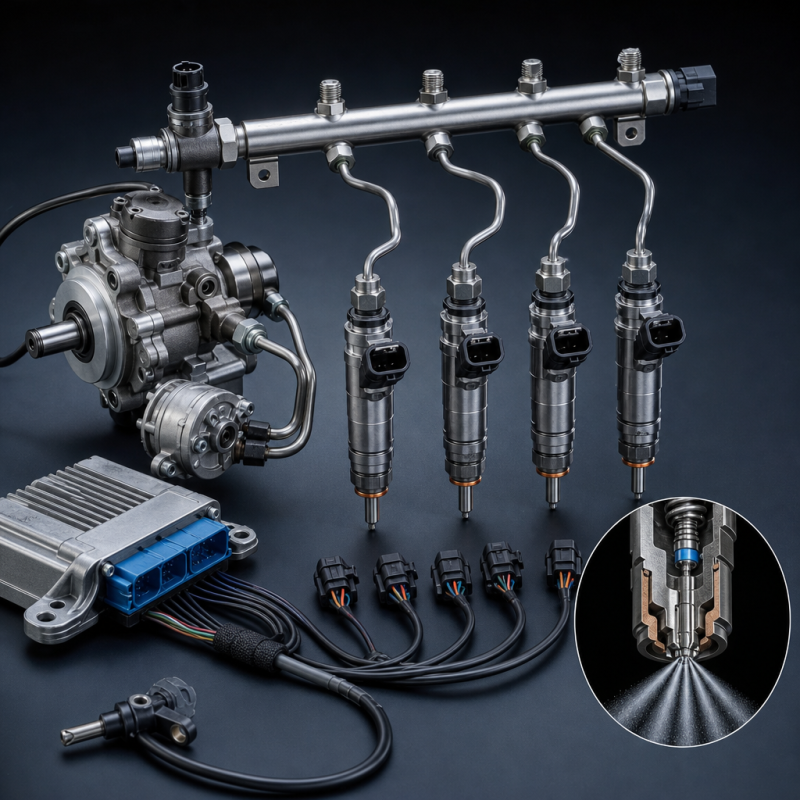
Most modern diesel engines utilize electronically controlled high-pressure common-rail fuel systems.
Often, the mechanical structure of the engine remains largely the same across versions, with power output differences stemming primarily from ECU calibration—specifically parameters such as fuel injection quantity, timing, injection pressure, and boost pressure.
Consequently, a single engine platform can offer multiple versions—such as economy, standard, and high-power models—thereby reducing manufacturing costs while providing users with a wider range of choices.
- Higher power often entails upgraded specifications
Increasing power involves more than just software adjustments.
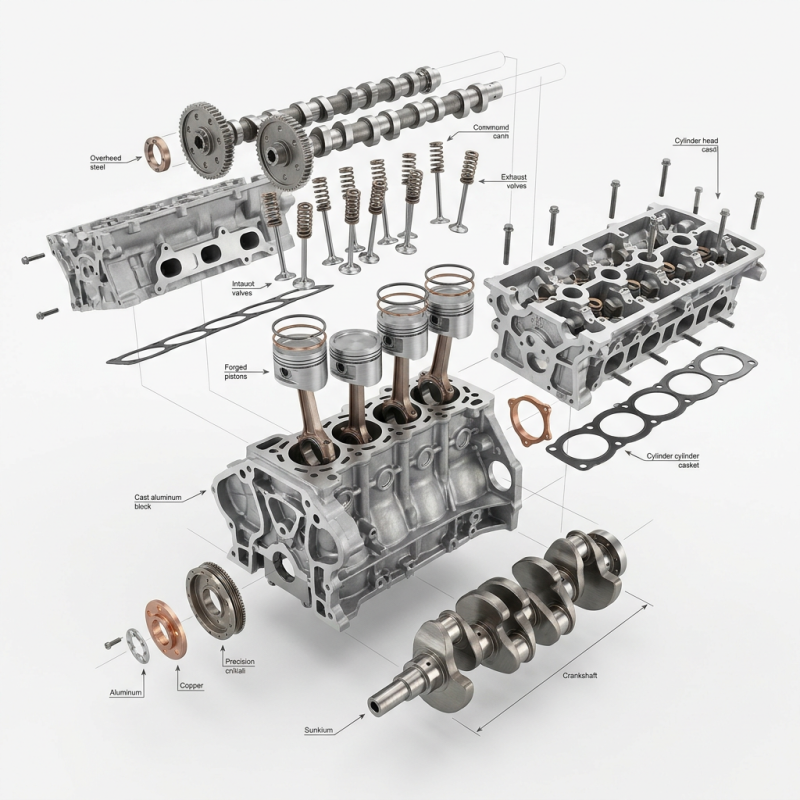
As combustion pressures and temperatures rise, the loads placed on internal engine components increase significantly. To ensure reliability, different power versions may incorporate components with varying specifications—such as pistons, connecting rods, piston rings, turbochargers, or even cooling systems.
Therefore, even if model numbers appear similar, different power versions may possess distinct internal configurations and are not simply interchangeable.
What do engine model suffixes signify? The letters and numbers following an engine model number serve as the product’s “identity,” reflecting its technical characteristics and scope of application.
- Emission Standards and Product Upgrades
Many suffixes correspond directly to emission regulations or upgraded product versions—such as China VI, Euro V, or Euro VI standards.
As environmental regulations become stricter, manufacturers incorporate emission control systems—such as EGR (Exhaust Gas Recirculation), SCR (Selective Catalytic Reduction/urea after-treatment), and DPF (Diesel Particulate Filter)—and use model suffixes to distinguish between versions, making it easier for users to identify them.
- Hardware Configurations
Some suffixes indicate specific technical configurations, such as:
T: Turbocharged
TA: Turbocharged and Aftercooled
C: Common Rail fuel system
P: Mechanical fuel injection pump
H: High-power or reinforced version (definitions vary slightly by manufacturer)
L: Lightweight or low-power version (specific meaning depends on the manufacturer)
While naming conventions differ across brands, these suffixes generally convey key technical information about the engine.
- Application Areas
Certain suffixes indicate the engine’s intended application.
For example:
M (Marine): Marine engines, typically featuring cooling systems and anti-corrosion designs suited for marine environments.
G (Generator): Engines designed for generator sets, emphasizing constant speed operation and stable power output.
E (Earthmoving): Engines for construction machinery, prioritizing low-speed torque, dust resistance, and reliability under demanding operating conditions.
Although these products may share the same base platform, they are optimized for specific operating conditions.
Choosing an Engine: Higher Power Isn’t Always Better
Many users fall into the trap of believing that higher power is always better.
In reality, an engine delivers optimal performance only when matched correctly to the equipment’s operating conditions.
If the power is too low, the engine operates under high loads for extended periods; this not only increases fuel consumption but also accelerates wear and reduces service life. Conversely, excessive power entails higher initial purchase costs; furthermore, high-emission-standard models often require complex after-treatment systems, leading to increased long-term maintenance costs.
Therefore, the best choice isn’t necessarily the most powerful engine, but the version that best aligns with the equipment’s operating conditions and specific needs. Conclusion
Variations in engine power ratings and model suffixes reflect technical optimizations made by manufacturers to suit diverse markets, operating conditions, and emission regulations.
For users, understanding the significance of these model designations not only facilitates rapid engine selection but also improves the accuracy of parts procurement, thereby avoiding unnecessary maintenance and downtime costs caused by model mismatches.
An engine is far more than a simple power source; it is a power solution that must be precisely matched to the specific equipment, operating conditions, and usage environment. Only by selecting the correct model and power rating can one balance power performance, fuel economy, and long-term reliability, ensuring the equipment consistently operates at peak efficiency.
jianming machinery