Full-Lifecycle Reliability Management and Maintenance Strategy for Engines


As the core power source of the entire machine, an engine’s performance throughout its lifecycle depends not only on manufacturing quality but, more importantly, on the quality of preventive maintenance during subsequent operation. In industrial and engineering applications, most “failures” stem from the absence of a proper maintenance system rather than defects in individual components. To maximize operational cost-efficiency, one must move beyond the reactive “fix-it-when-it-breaks” mindset and establish a proactive maintenance system based on condition monitoring and standardized operating procedures; this effectively mitigates the high costs associated with unplanned downtime.
Analysis of Key Maintenance Dimensions
Precision Management of the Lubrication System
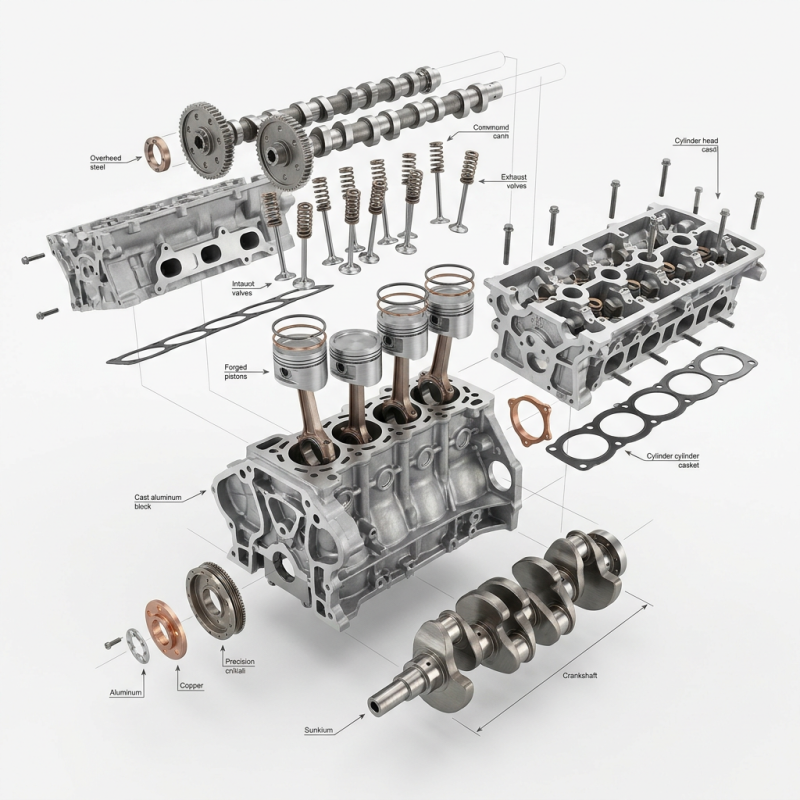
The lubrication system serves not only to reduce friction between moving parts but also acts as a primary medium for heat exchange and the transport of contaminants. As the service life of the lubricating oil extends, the effectiveness of its chemical additives irreversibly declines; coupled with the accumulation of carbon deposits, metal debris, and oxidation products, the oil’s shear stability and cleanliness deteriorate significantly. The core of maintenance lies in establishing precise oil-change intervals. It is essential to discard the blind belief in “long-life” oil claims and instead adopt scientifically determined strategies—such as shortening intervals for extreme operating conditions like high temperatures, heavy loads, and high dust levels—to ensure that moving parts are always supported by an optimal oil film, thereby preventing premature wear on critical precision components like bearing shells and crankshafts caused by lubrication failure.
Thermal Balance Control of the Cooling System
Maintaining thermal balance is fundamental to preserving combustion efficiency and material structural integrity. Maintenance of the cooling system focuses on sustaining heat exchange performance and ensuring the sealing integrity of the piping. Substituting coolant with plain water is strictly prohibited; high-standard antifreeze must be used to prevent scale buildup from clogging the radiator core. For units operating under heavy loads or in dusty environments, periodic external cleaning of the radiator is crucial to prevent airflow obstruction. Maintaining stable system pressure and ensuring the coolant retains efficient heat-absorption and circulation capabilities—even under full-load conditions—are the most direct ways to prevent engine overheating, cylinder scoring, and gasket failure.
Filtration Efficiency and Flow Field Integrity of the Intake and Exhaust Systems
The cleanliness of the air intake system directly determines the rate of wear inside the cylinders. As the first line of defense ensuring the engine’s “respiration,” the air filter must be replaced dynamically based on pressure differential and ambient dust load; forced cleaning with high-pressure air—which damages the fiber structure of the filter media—must be strictly avoided. Furthermore, the integrity of the intake-side seal is critical; even minor leaks in piping or poor sealing at connections can lead to abnormal power output and allow the direct ingestion of hard impurities, causing irreversible damage to cylinder walls.
Fuel System Cleanliness and High-Pressure Injection Control
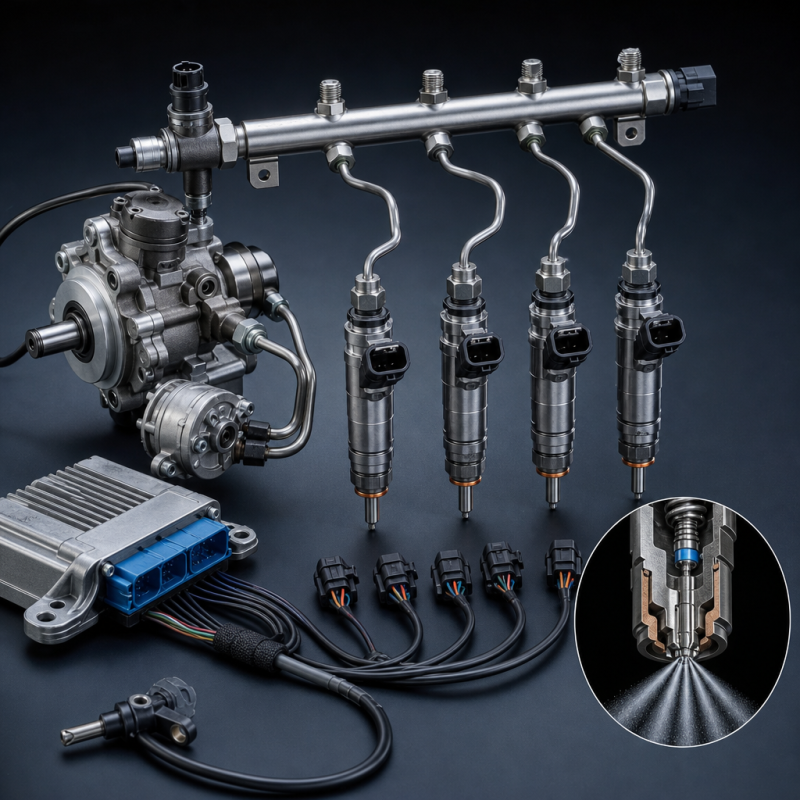
Modern high-pressure common-rail systems are renowned for their precision but are highly sensitive to fuel quality. Contamination by water and impurities is a primary cause of failure for high-pressure fuel pumps and injectors. Maintenance should focus on the efficacy of multi-stage filtration systems, regular draining of water-fuel separators, and ensuring a clean environment during refueling. Before restarting equipment after a prolonged shutdown, verifying fuel quality is a necessary precaution to prevent combustion issues caused by fuel degradation.
Reliability of Ancillary Systems
Engine reliability often hinges on the coordinated operation of various auxiliary systems. Belt tension and the condition of rubber hoses (specifically regarding aging) are frequently overlooked potential hazards. Regular inspections for fatigue cracks in belts, hardening or leakage in rubber hoses, and contact resistance at electrical connections can effectively prevent sensor errors caused by unstable circuits or cascading failures resulting from cooling or charging system malfunctions.
Standardized Operational Habits and Maintenance Coordination
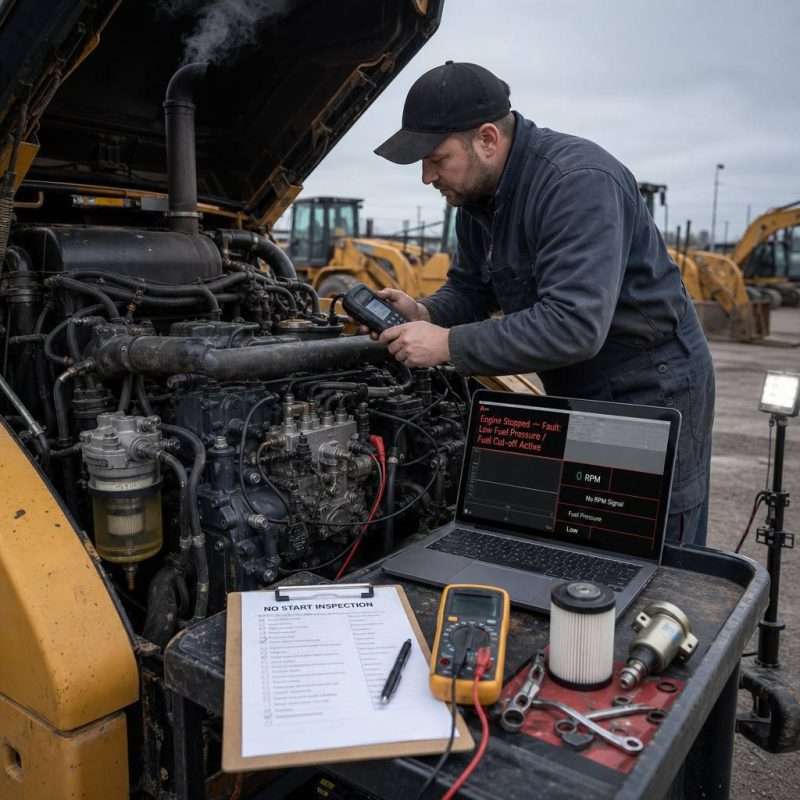
Maximizing equipment efficiency requires adherence to standardized operating procedures. During a cold start, allowing the engine to idle to build oil pressure—thereby protecting turbocharger bearings and the valve train—is an essential warm-up step. Similarly, idling after high-load operations to reduce the turbocharger’s thermal inertia significantly extends the service life of critical moving parts. Maintenance personnel should make real-time monitoring of instrument data a standard habit, establishing rapid response mechanisms for early warning signs such as fluctuations in oil pressure, changes in exhaust color, or abnormal coolant temperatures.
Ultimately, the long-term reliable operation of an engine is a reflection of the synergy between proactive management and standardized operational practices. By implementing comprehensive, closed-loop maintenance across lubrication, cooling, air intake, fuel, and peripheral accessory systems, enterprises can not only minimize unexpected repair costs but also—by maximizing equipment utilization throughout its lifecycle—transform the engine’s performance potential into robust productivity.
jianming machinery