What advantages do diesel engines have compared to gasoline engines?

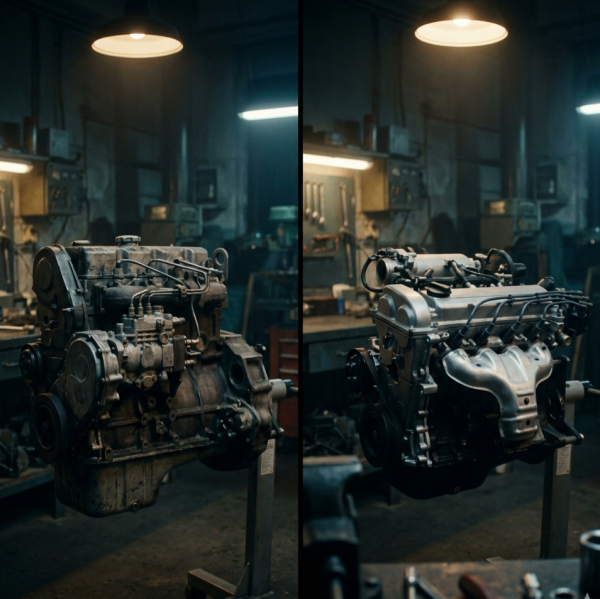
The fundamental physical difference between diesel and gasoline engines—specifically, compression ignition (diesel) versus spark ignition (gasoline)—gives rise to their distinctly different characteristics and performance profiles.
The following are the core advantages of diesel engines compared to gasoline engines:
I. Higher Thermal Efficiency and Fuel Economy (Greater Fuel Savings)
This is the most significant advantage of diesel engines, primarily attributable to three physical factors:
Ultra-High Compression Ratio: Diesel engines rely on the high temperatures generated by compressing air to ignite the fuel; their compression ratios typically range from 16:1 to 22:1 (significantly higher than the 8:1 to 12:1 range found in gasoline engines). The higher the compression ratio, the greater the energy conversion efficiency.
High Fuel Energy Density: Each liter of diesel contains approximately 10% to 15% more chemical energy than gasoline. This means that, even at the same level of efficiency, burning an equal volume of diesel yields more work output.
Absence of Throttle Pumping Losses: Traditional gasoline engines control intake airflow via a throttle valve (accelerator), which creates intake resistance—known as “pumping losses”—during low-load operation. Diesel engines feature a fully open intake tract and regulate power output by controlling the volume of injected fuel; consequently, they are highly fuel-efficient at idle and under low-load conditions.
II. Powerful Low-RPM Torque (Starting and Towing Capability)
If you need to tow heavy loads, climb steep inclines, or engage in off-road driving, the diesel engine reigns supreme.
Physical Leverage Advantage: To achieve their extremely high compression ratios, diesel engines typically employ a “long-stroke” design. The longer the stroke, the greater the “physical leverage” exerted by the piston as it pushes the crankshaft to rotate, thereby generating immense torque.
High Combustion Pressure: The compression-ignition process generates extremely high peak pressures within the cylinders. This immense force is fully unleashed at engine speeds of just 1,500 to 2,000 revolutions per minute (RPM)—eliminating the need to rev the engine to high speeds, as is typically required with gasoline engines. III. Exceptional Structural Strength and Extended Lifespan
The industrial and commercial sectors are almost entirely dominated by diesel engines, and their longevity is the primary reason:
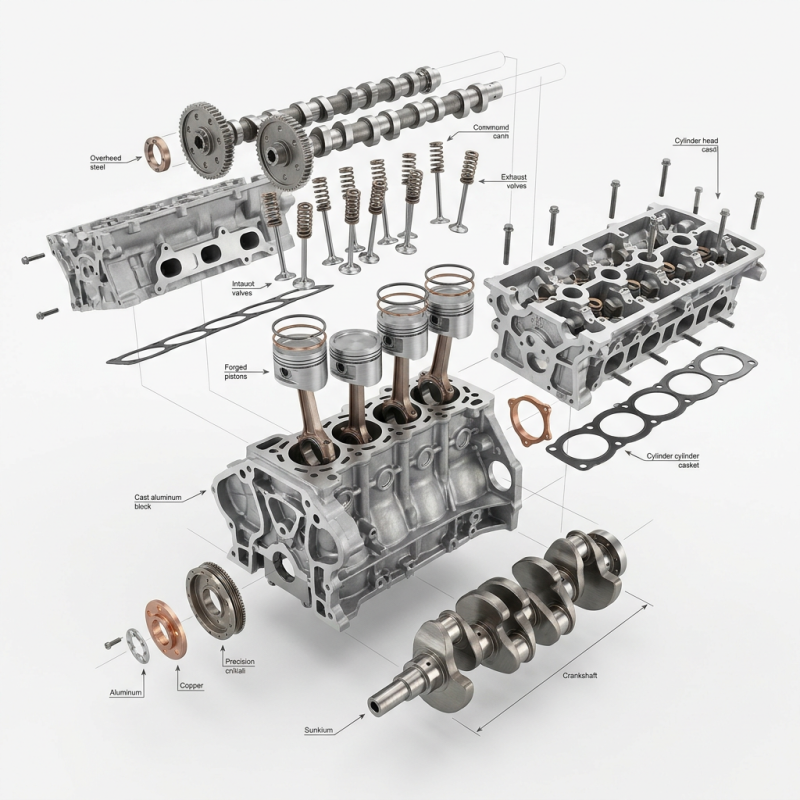
Heavy-Armor-Grade Construction: To withstand the immense mechanical shock and high pressures generated by compression ignition, the cylinder blocks, crankshafts, connecting rods, and bearings of diesel engines are engineered to be exceptionally robust and thick-walled.
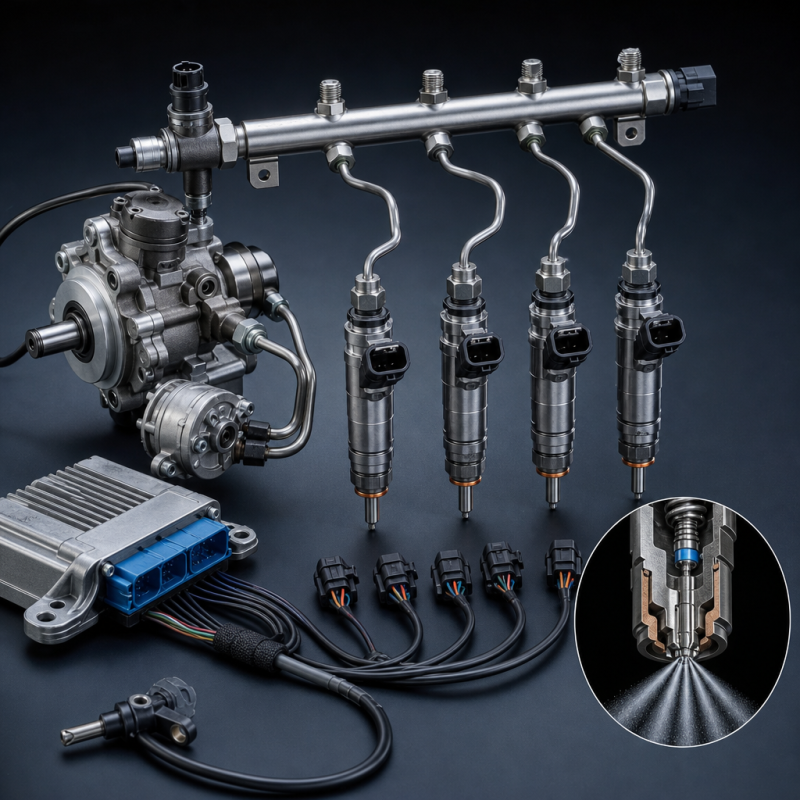
Inherent Fuel Lubricity: Diesel fuel itself possesses a slight oiliness, providing a degree of lubrication within the fuel pump, injectors, and even on the cylinder walls. This significantly reduces wear on precision mechanical components. For a properly maintained diesel engine, it is quite common to achieve a service life exceeding one million kilometers.
IV. Minimalist Electrical System (High Reliability)
No Ignition System: Diesel engines do not utilize spark plugs, ignition coils, or high-voltage cables. Consequently, during off-road water crossings or operation in harsh, extremely humid environments, there is no need to worry about the ignition system getting wet, short-circuiting, and causing the engine to stall. Its operation relies solely on air, fuel, and cylinder compression.
V. Enhanced Safety
Flash Point and Volatility: Gasoline is highly volatile and possesses an extremely low flash point (below -40°C), making it highly susceptible to explosive ignition upon contact with an open flame. In contrast, diesel typically has a flash point above 52°C and exhibits very low volatility. In the event of a severe collision or fuel leak, the probability of diesel igniting or exploding is far lower than that of gasoline.