Systematic strategy for preventive maintenance of diesel engines


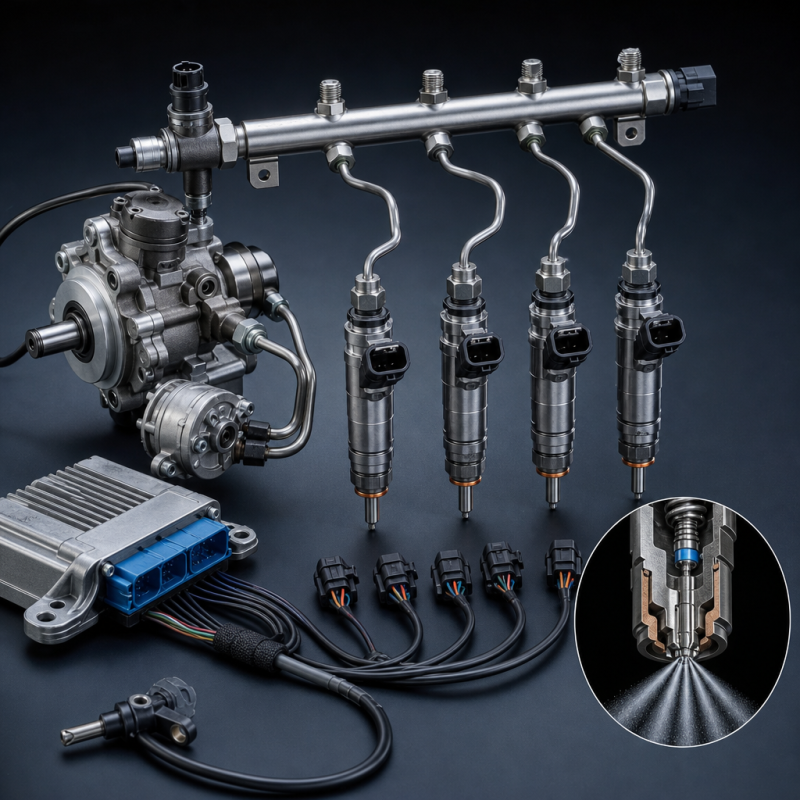
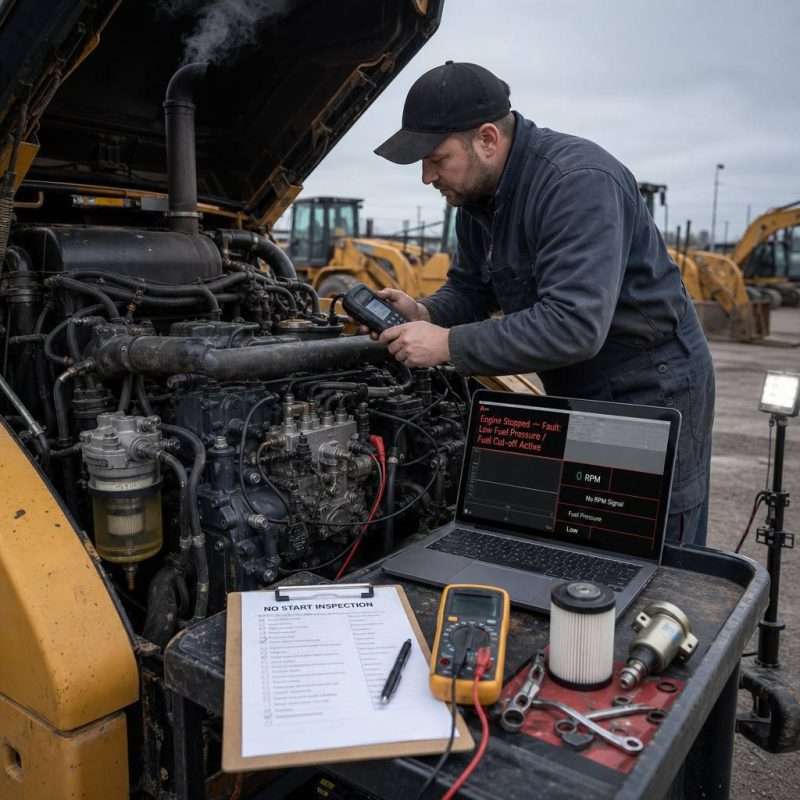
Preventative maintenance for diesel engines is far more than simply changing oil on schedule; it’s a scientific management system based on tribology, fluid mechanics, and thermodynamics. Its core objective is to eliminate the root causes of malfunctions before irreversible damage occurs. In fuel system maintenance, daily drainage of the fuel-water separator is the most basic yet easily overlooked routine. This is because diesel fuel inevitably mixes with condensate and trace impurities during storage and transportation. If these contaminants are not intercepted before entering the high-pressure pump, they can cause catastrophic cavitation and abrasion in the micron-level gaps of precision components. Equally crucial is that fuel filter replacement cycles should not be mechanically based on fixed hours, but rather dynamically assessed according to fuel quality and the filter’s dirt-holding capacity. For modern diesel engines equipped with high-pressure common rail systems, any fluctuation in fuel supply pressure caused by filter blockage can lead to irreversible wear on the solenoid valves inside the injectors. The cost of replacing a set of common rail injectors can cover the entire expense of dozens of standard maintenance services.
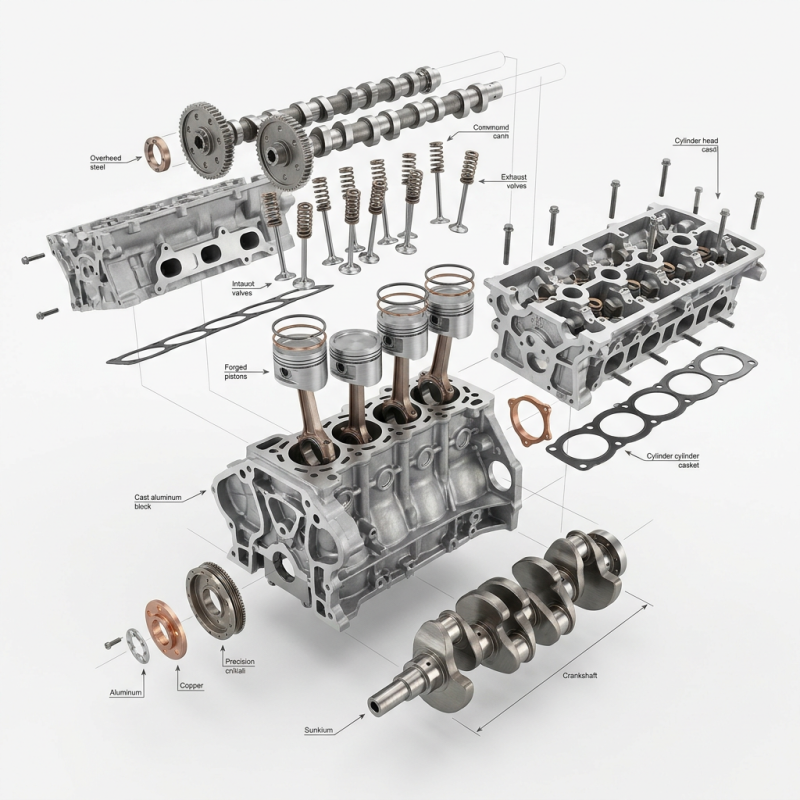
Preventative maintenance of the lubrication system directly determines the wear rate of the engine’s core moving parts throughout its lifespan, and synchronized oil and filter replacement is a fundamental prerequisite for effective protection. Under the continuous contamination from high-temperature oxidation and combustion byproducts, the viscosity index and total base number of engine oil gradually decrease. When the oil film strength is insufficient to maintain hydrodynamic lubrication between the bearings and crankshaft, the metal surfaces will experience extremely brief boundary friction at each start-up. Using engine oil that does not meet API standards or failing to warm up the engine before changing the oil will result in a large amount of old oil containing metal shavings and acidic substances remaining in the oil passages and piston cooling nozzles, severely contaminating the newly added oil within hours. Jianming Machinery strongly recommends that users replace the oil filter with a high-quality one every time they change the oil and tighten the drain plug and filter housing according to the original manufacturer’s torque specifications to prevent chronic leaks caused by vibration. For turbochargers, precision components operating at speeds exceeding 100,000 RPM, bearing life depends almost entirely on the cleanliness and supply pressure of the engine oil. Any operation involving immediate high-load operation after a cold start or immediate shutdown after the engine has warmed up will cause irreversible damage to the turbocharger bearings due to insufficient lubrication or high-temperature coking. Establishing standard operating procedures for warming up the engine at idle after startup and cooling it down at idle before shutdown is the most economical way to effectively extend turbocharger life without increasing any parts costs.
The coordinated maintenance of the cooling and intake systems is also a critical aspect of preventative maintenance that is often severely underestimated. The responsiveness of the thermostat and the cleanliness of the radiator core surface jointly determine whether the engine operating temperature remains stable within the optimal thermodynamic range. Prolonged deviations in coolant temperature from the normal range not only lead to poor fuel economy but also cause chronic cylinder head gasket failure due to the difference in thermal expansion coefficients between the cylinder head and cylinder block. Antifreeze is not a maintenance-free medium; its internal corrosion inhibitors gradually deplete over time and with high-temperature cycling, losing their ability to inhibit pitting corrosion on the cylinder liner outer wall. Regarding the intake system, the resistance of the air filter directly determines the cylinder charging efficiency during the intake stroke, while the oil and dust accumulation inside the intercooler will significantly reduce the density of compressed air, thus indirectly offsetting the power increase from turbocharging.
jianming machinery