


Perkins 403D-15 Engine – Technical Overview and Service Guide


The Perkins 403D-15 is a compact, three-cylinder, water-cooled diesel engine designed for light- to medium-duty industrial, agricultural, and construction machinery. It forms part of the Perkins 400D series, known for its mechanical simplicity, robust structure, and reliable power output. With a displacement of 1.5 liters and straightforward mechanical control, the 403D-15 offers excellent fuel economy and ease of service — making it a preferred engine for equipment operating in demanding but space-constrained environments.
1. General Description
The Perkins 403D-15 is a naturally aspirated inline three-cylinder diesel engine with a total displacement of 1.496 liters. It produces between 24 and 33 kilowatts (32–44 horsepower) at speeds up to 3000 rpm, depending on the specific variant and application. The engine meets EU Stage IIIA / EPA Tier 4 Interim emission standards without electronic control, which keeps the system mechanically simple and globally serviceable.
Common applications include small excavators, skid-steer loaders, air compressors, agricultural tractors, mobile lighting towers, and compact generator sets. The engine’s low noise, smooth torque delivery, and durable structure make it a benchmark in the sub-2-liter diesel class.
2. Engine Design and Construction
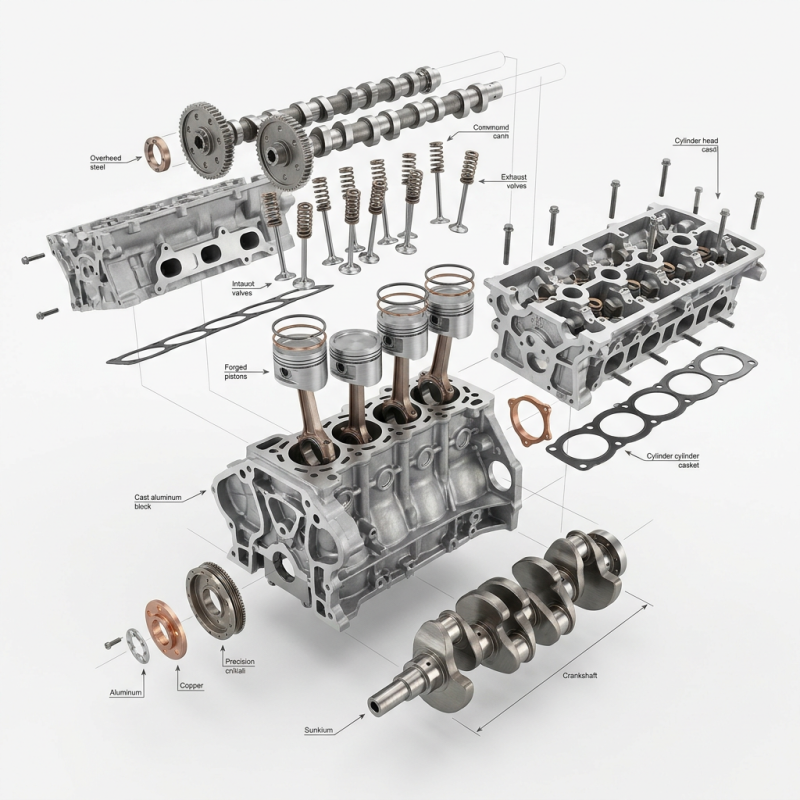
The 403D-15 uses a cast-iron cylinder block and head, ensuring strength and thermal stability.
It features wet replaceable cylinder liners, which simplify overhaul and extend service life. The forged-steel crankshaft is supported by three main bearings, while the aluminum pistons are fitted with steel inserts and cooling galleries for high-temperature endurance.
Valve operation is managed by a gear-driven camshaft acting on pushrods and rocker arms — a simple, reliable configuration that minimizes mechanical losses.
The combustion system is indirect injection (IDI), using a pre-combustion chamber to achieve smooth, quiet combustion and low emissions. The compression ratio is about 22.5 to 1, giving strong starting characteristics and high torque at low rpm.
The engine’s compact footprint and low dry weight (around 125 kg) make it ideal for equipment with restricted engine bays.
3. Fuel and Air Systems
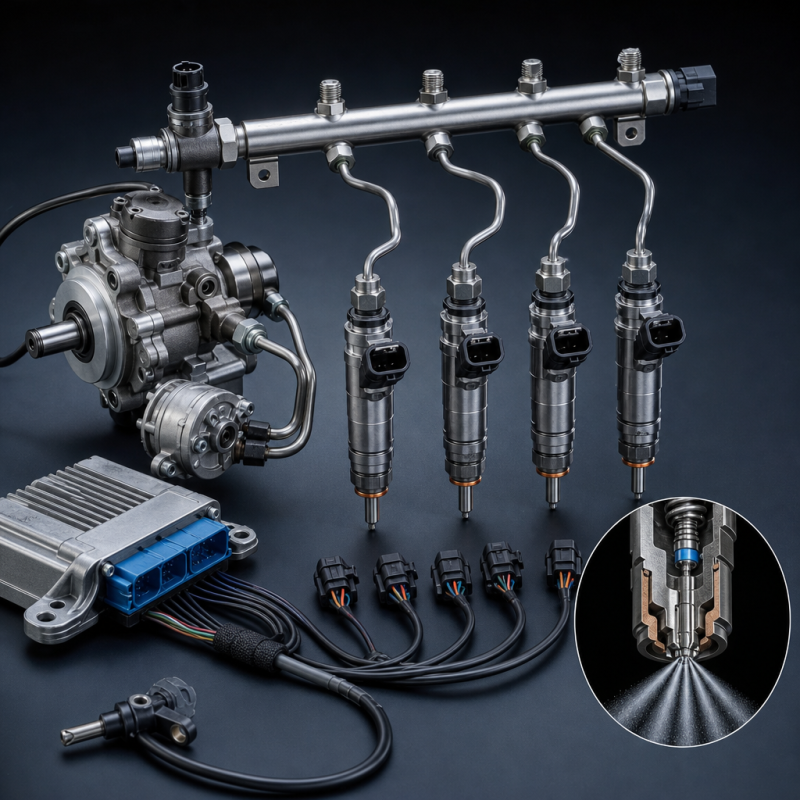
Fuel delivery is handled by a mechanical in-line or rotary injection pump, depending on production batch, supplying injectors located in each pre-combustion chamber.
This purely mechanical system provides consistent injection timing and pressure without ECU intervention. It allows field maintenance and easy repair in remote locations.
Air intake passes through a two-stage dry-element air filter, while exhaust gases exit through a short cast-iron manifold designed for compact packaging and thermal balance.
The standard model is naturally aspirated, while the optional 403D-15T variant includes a turbocharger for additional power and torque. Both versions maintain high fuel efficiency across varying loads.
4. Cooling and Lubrication Systems
Cooling is provided by a belt-driven centrifugal water pump circulating coolant through the cylinder block and radiator. The thermostat regulates flow to maintain operating temperatures between 82 and 95 °C.
Lubrication is fully pressurized, using a gear-type oil pump, full-flow filter, and drilled oil galleries to feed all bearings, camshaft lobes, and piston cooling jets.
Oil capacity is approximately 5 liters, and Perkins recommends high-quality lubricants meeting API CH-4 or higher standards.
The robust lubrication system and wide bearing surfaces allow the engine to operate for extended periods under continuous load with minimal wear.
5. Electrical System and Starting
The 403D-15 employs a 12-volt electrical system, including a starter motor, alternator, and glow plugs for cold starting.
The mechanical stop solenoid ensures safe shutdown without electronics.
Glow plug pre-heating provides fast start-up even below freezing temperatures, making this engine well suited for outdoor construction or agricultural use.
6. Performance Characteristics
At 3000 rpm, the Perkins 403D-15 produces up to 33.7 horsepower with peak torque around 95 newton-meters at 1800 rpm.
Fuel consumption averages 230–240 grams per kilowatt-hour, depending on load and ambient conditions.
The engine’s firing order (1-2-3) and precisely balanced rotating assembly ensure low vibration. Noise levels are among the lowest in its class due to the IDI combustion system and gear-driven valve train.
These traits make the 403D-15 ideal for applications requiring reliable operation, low acoustic footprint, and long running hours.
7. Maintenance and Service
The 403D-15 is designed for simple, low-cost service.
Routine maintenance includes:
- Oil and filter changes every 250 hours or annually.
- Fuel filter replacement every 500 hours.
- Air filter cleaning or replacement based on environment.
- Coolant replacement every two years.
- Valve clearance inspection every 1000 hours.
The engine requires no electronic diagnostic tools — only standard mechanical service instruments.
All filters, belts, and the oil filler are positioned on one side for easy access in confined engine compartments.
When properly maintained, the 403D-15 typically achieves 8,000–10,000 operating hours before major overhaul.
8. Common Field Issues
Typical issues observed in service include:
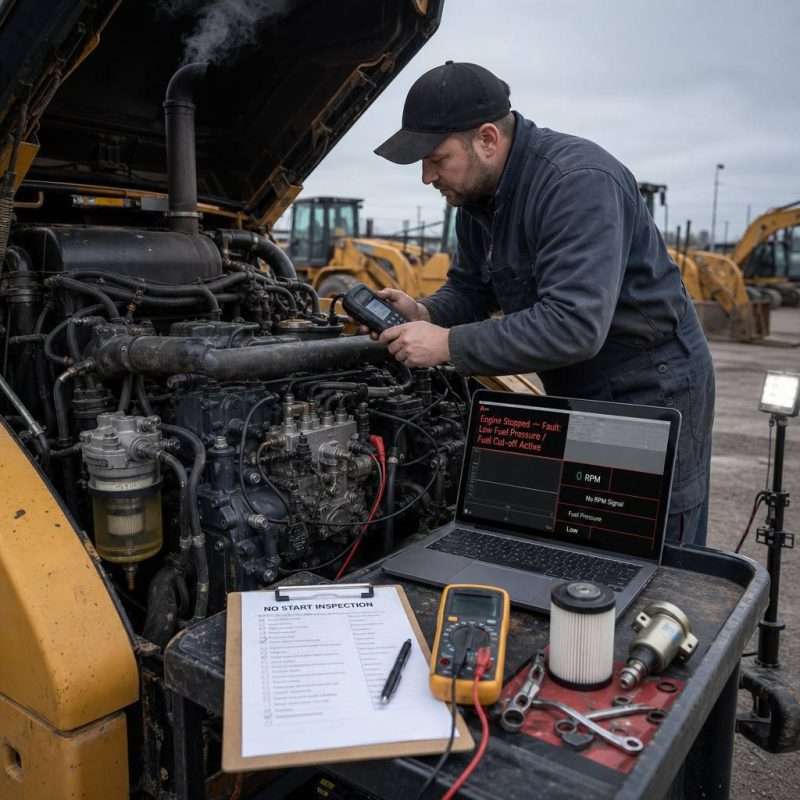
- Difficult starting due to air ingress or worn glow plugs.
- Fuel pump leakage from worn shaft seals.
- Overheating caused by coolant contamination or blocked radiator fins.
- Oil leaks at crankshaft seals after prolonged operation.
- Black smoke from dirty injectors or poor-quality fuel.
Preventive maintenance and use of clean diesel fuel largely eliminate these problems.
Regular inspection of fuel lines, filters, and cooling systems ensures consistent performance in harsh job-site environments.
9. Overhaul and Rebuild Considerations
During overhaul, the engine’s modular construction simplifies service.
Wet liners can be replaced individually, and standard oversize bearings and pistons are available.
Critical wear limits include:
- Cylinder bore wear under 0.10 mm.
- Crankshaft journal ovality under 0.03 mm.
- Valve seat width between 1.6–2.0 mm.
After rebuild, oil priming and valve clearance adjustment are essential before start-up.
When properly rebuilt using OEM components, the engine regains near-new performance and durability.
10. Applications and Adaptability
The Perkins 403D-15 is widely used across diverse sectors:
- Mini excavators, skid steers, and small wheel loaders.
- Air compressors, hydraulic power units, and pumps.
- Agricultural tractors and sprayers.
- Mobile lighting towers and compact generator sets.
Its compact packaging, low fuel consumption, and mechanical design make it a preferred solution for equipment requiring 30–40 horsepower output and continuous reliability under varying field conditions.
Conclusion
The Perkins 403D-15 engine exemplifies practical diesel engineering — combining strength, simplicity, and serviceability.
Its cast-iron structure, mechanical injection system, and globally available parts make it one of the most reliable engines in its class.
For engineers, fleet operators, and rebuilders, understanding the 403D-15’s architecture, maintenance intervals, and operating parameters ensures long-term reliability and low cost of ownership.
When maintained with clean fuel, quality lubricants, and proper cooling, the Perkins 403D-15 consistently delivers dependable performance across agriculture, construction, and industrial sectors worldwide.








Llevo explorando en internet buscando acerca de posicionamiento web y este artículo es uno
de los más completos que he leído. Desde mi punto de vista, si todos los expertos en marketing digital
aplicaran estas técnicas de optimización, la web sería mucho
más eficiente para todos.