Perkins 403D-11 Engine – Technical Overview, Design, and Maintenance Guide

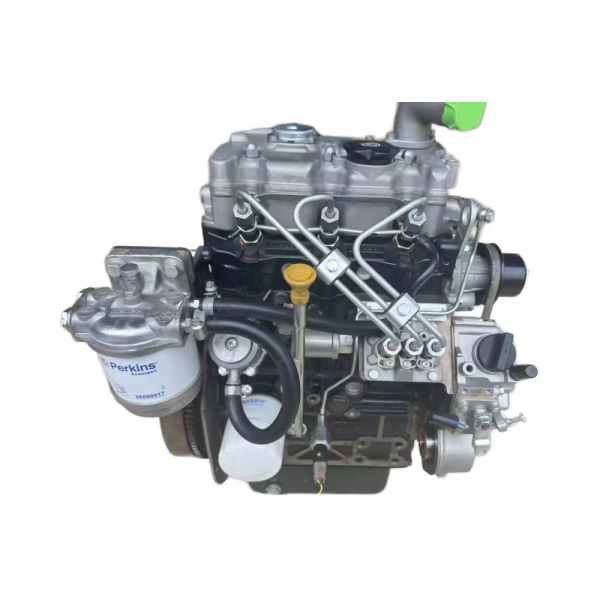
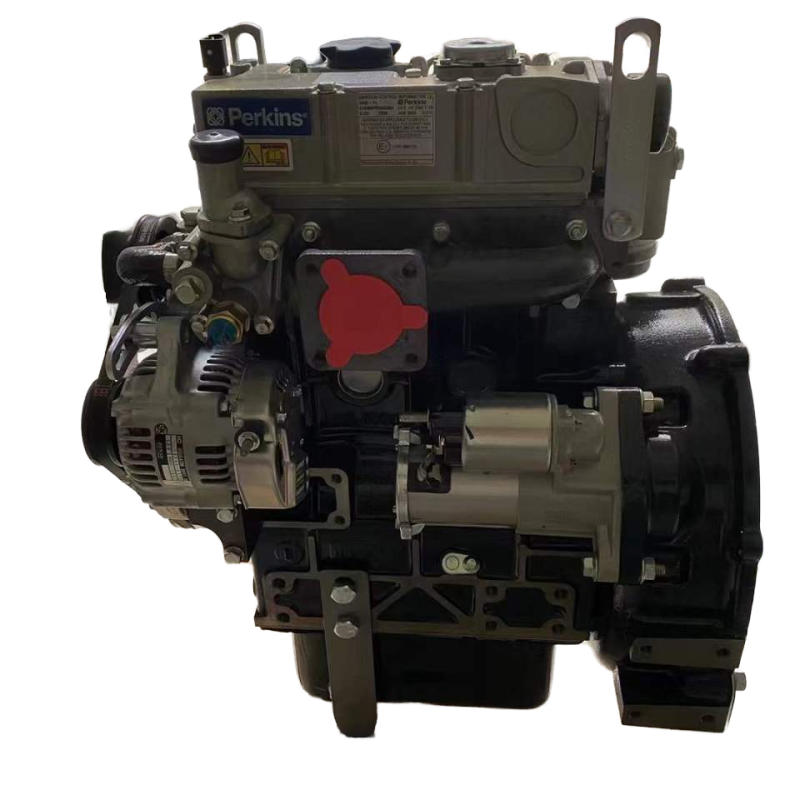
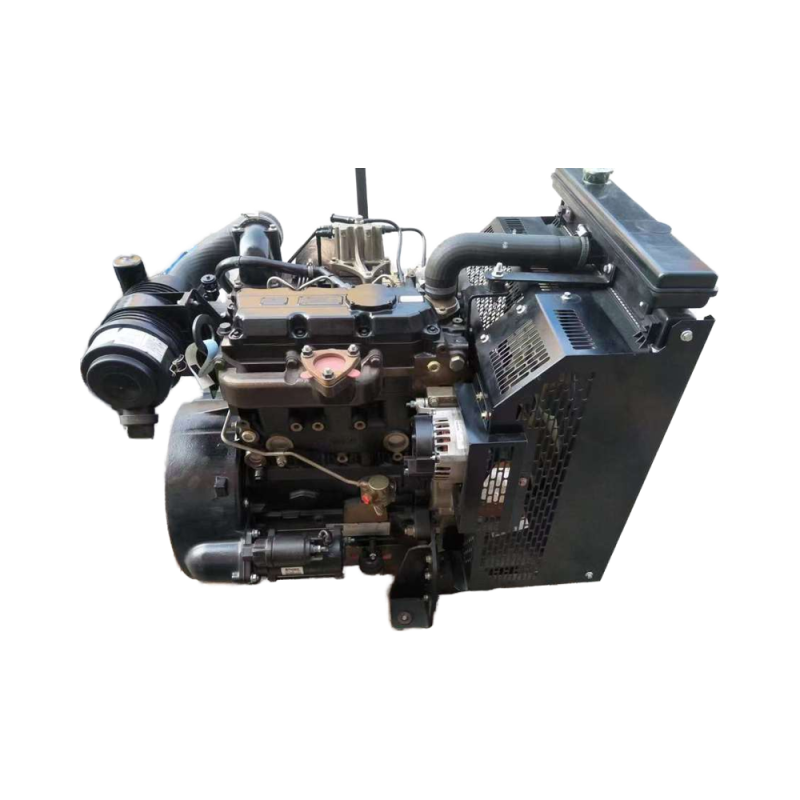
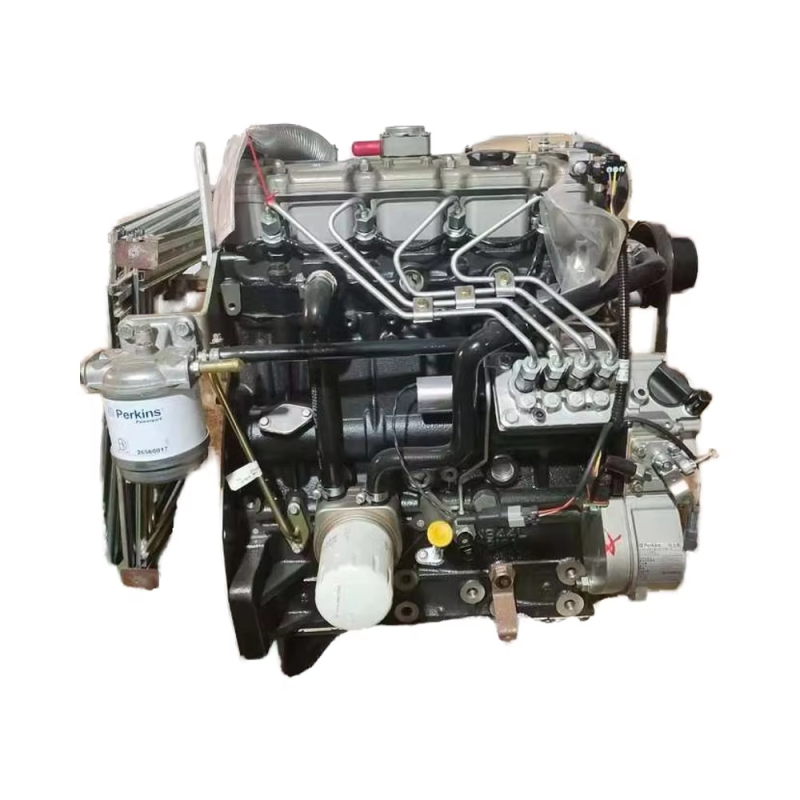
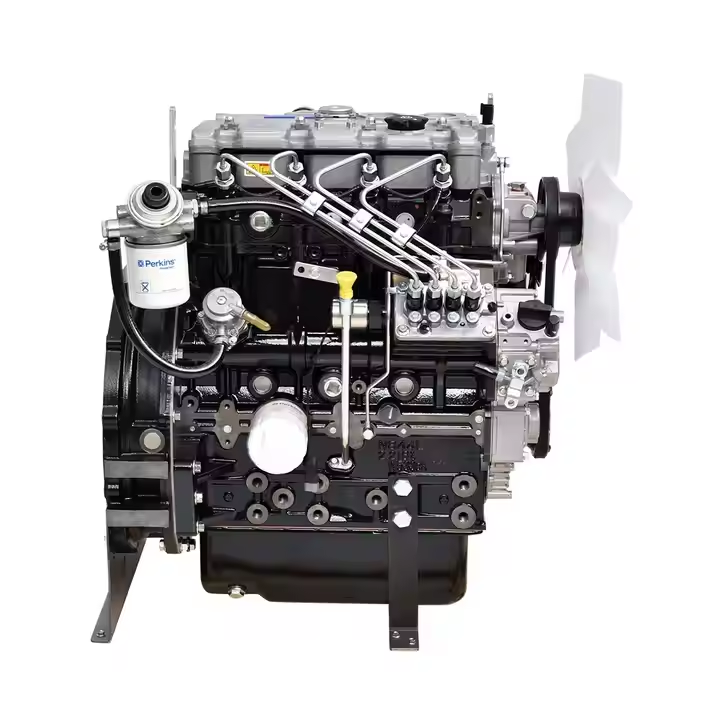
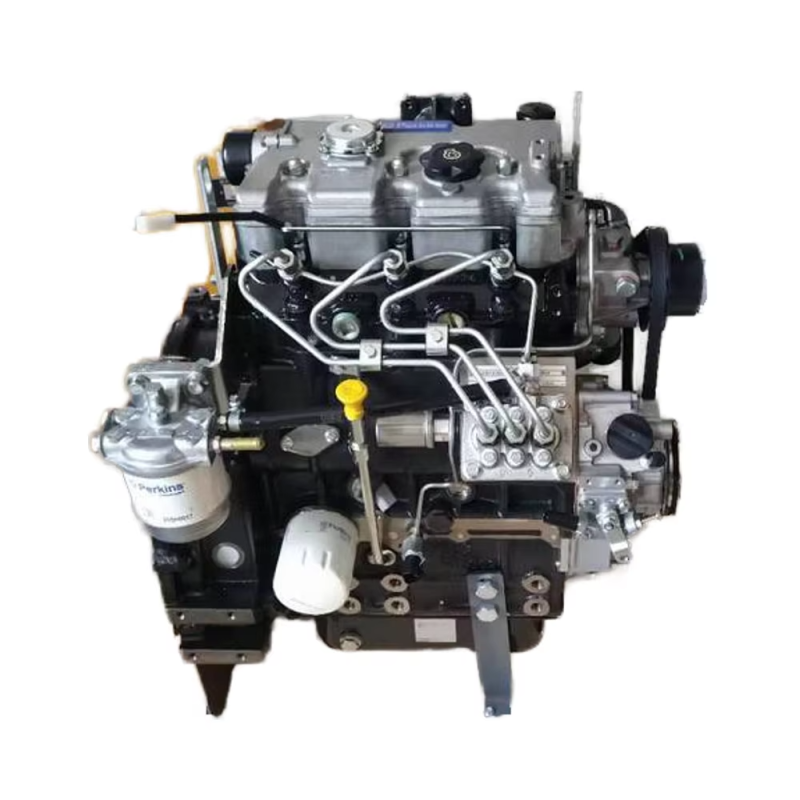
The Perkins 403D-11 is a compact, water-cooled, three-cylinder diesel engine engineered for small industrial, agricultural, and construction applications. Belonging to the Perkins 400D Series, this engine combines simplicity, reliability, and low fuel consumption in a lightweight design.
Its robust architecture and global parts availability make it a preferred choice for equipment manufacturers and aftermarket rebuilders worldwide.
1. General Description
The Perkins 403D-11 is a naturally aspirated, inline 3-cylinder diesel engine with a total displacement of 1.131 liters. It is designed to deliver consistent performance in compact machines such as generators, skid-steer loaders, mini-excavators, and small agricultural tractors.
The engine complies with EU Stage IIIA / EPA Tier 4 Interim emission standards without the need for electronic control, making it ideal for markets requiring mechanical simplicity and low maintenance.
Rated power output ranges between 18.4 and 25.2 kilowatts (24.6–33.8 horsepower) at 2800 revolutions per minute, depending on calibration. Its torque curve is optimized for steady output and strong load acceptance even at low engine speeds.
2. Mechanical Architecture
The 403D-11 features a cast-iron cylinder block and head, ensuring rigidity and resistance to distortion under thermal stress.
The crankshaft is forged steel, supported by three main bearings with precision-ground journals for long service life. The connecting rods are also forged steel, and the pistons are aluminum alloy with anodized crowns for durability.
Each cylinder uses replaceable wet liners, allowing straightforward overhaul and cost-effective rebuilds. The engine employs a gear-driven camshaft operating overhead valves through pushrods and rockers. The valve train design minimizes mechanical losses and simplifies adjustment.
The combustion system is of the indirect injection (IDI) type, utilizing a swirl chamber in the cylinder head for efficient fuel-air mixing. This configuration ensures smooth combustion, low noise, and easy cold starting without the complexity of high-pressure common rail systems.
The compression ratio is approximately 23:1, typical for small naturally aspirated diesel engines, producing high thermal efficiency and stable performance under variable loads.
3. Fuel and Air Systems
The 403D-11 uses a mechanical in-line fuel injection pump (usually Delphi or Bosch type) feeding individual injectors mounted in the pre-chamber area.
Fuel delivery timing is mechanically governed, ensuring consistent injection pressure and stable performance without electronic intervention. The simplicity of this system allows field servicing without specialized tools.
Air intake is managed through a dry-type air filter, while exhaust gases pass through a compact cast-iron manifold optimized for backpressure control. The engine is naturally aspirated, relying on atmospheric pressure for cylinder filling. Though not turbocharged, it maintains strong low-end torque due to optimized valve timing and combustion chamber geometry.
4. Cooling and Lubrication
Cooling is provided by a water pump and radiator system with a belt-driven fan. The coolant circuit maintains stable temperatures between 80°C and 95°C.
The lubrication system uses a gear-driven oil pump, full-flow oil filter, and pressure-fed galleries supplying the crankshaft, camshaft, and valve train. Oil capacity is approximately 4.9 liters, depending on configuration.
The engine is designed for continuous-duty operation, and oil pressure remains stable even at prolonged high-speed conditions. The recommended oil specification follows API CH-4 or higher, ensuring compatibility with emission-compliant diesel formulations.
5. Electrical and Starting System
The 403D-11 is equipped with a 12-volt electrical system, including a starter motor, alternator, and glow plugs for cold starting.
Glow plug pre-heating reduces cranking time and enhances combustion efficiency during cold weather. A mechanical fuel shut-off solenoid ensures safe engine stop without electronics, maintaining operational simplicity.
6. Performance Characteristics
The 403D-11 provides an excellent balance between fuel economy and durability. At rated speed (2800 rpm), fuel consumption is approximately 230 g/kWh, depending on load and calibration.
The torque output peaks around 90–100 Nm at 1800 rpm, ensuring reliable performance for compact machinery with limited powertrain space.
Noise and vibration levels are significantly reduced through the use of a gear-driven timing system, precision balancing, and an optimized cylinder firing order (1-2-3).
This makes the engine suitable for sound-sensitive applications such as mobile lighting towers, small generators, and compact construction equipment.
7. Maintenance and Service Intervals
The 403D-11 is designed for ease of service and low ownership cost. Routine maintenance includes:
- Engine oil and filter – every 250 hours or annually
- Fuel filter replacement – every 500 hours
- Air filter cleaning/replacement – as required, depending on environment
- Coolant renewal – every 2 years
- Valve clearance check – every 1000 hours
No electronic diagnostic tools are needed, as all systems are mechanical. Overhaul is straightforward, with liner replacement and component inspection performed using standard workshop tools.
The engine’s modular design reduces downtime during servicing. Its mechanical simplicity ensures reliable performance even in remote or harsh environments where electronic systems may be problematic.
8. Common Service Issues
In field operation, typical issues observed include:
- Hard starting due to air leaks in fuel lines or worn glow plugs
- Oil leakage from front or rear crankshaft seals after long operation
- Fuel pump wear caused by contaminated diesel
- Overheating due to coolant blockage or fan belt failure
- Excessive smoke from injector wear or poor fuel quality
All these issues can be mitigated through preventive maintenance, timely replacement of filters and seals, and the use of clean, low-sulfur diesel.
Proper air filtration is especially critical in dusty conditions to prevent premature liner and ring wear.
9. Overhaul and Service Life
The 403D-11 is engineered for over 8,000 operating hours before major overhaul under normal working conditions.
During rebuild, wear limits for cylinder liners, pistons, and bearings are clearly defined in Perkins service documentation.
Because of its modular structure, a typical overhaul involves replacing liners, pistons, and gaskets while reusing the block and crankshaft after inspection.
After rebuild, oil priming and correct valve clearance adjustment are essential before restarting. With quality lubricants and maintenance discipline, total service life can exceed 10,000 hours, depending on duty cycle.
10. Applications and Adaptability
The Perkins 403D-11 is widely used across industrial sectors, including:
- Mini excavators and skid steers
- Agricultural tractors and sprayers
- Mobile light towers and air compressors
- Hydraulic power units and small gensets
Its compact dimensions, roughly 0.63 m³ envelope, and dry weight around 115–125 kg make it easy to integrate into equipment with limited space.
The engine supports both fixed and variable speed operation, adaptable for continuous, prime, or standby duty configurations.
Conclusion
The Perkins 403D-11 engine exemplifies the core principles of practical diesel engineering — simplicity, durability, and efficiency.
With its mechanical fuel system, robust cast-iron structure, and straightforward serviceability, it remains one of the most trusted small industrial engines in global use.
For technicians, OEMs, and rebuilders, understanding the 403D-11’s mechanical systems and maintenance intervals ensures long-term reliability and low operating costs.
When serviced properly with clean fuel, quality lubricants, and original components, the Perkins 403D-11 consistently delivers dependable performance in every working environment — from construction sites to agricultural fields.