In-depth overview of internal combustion engine fundamentals: Analysis of the core logic of thermodynamic cycles and mechanical structure


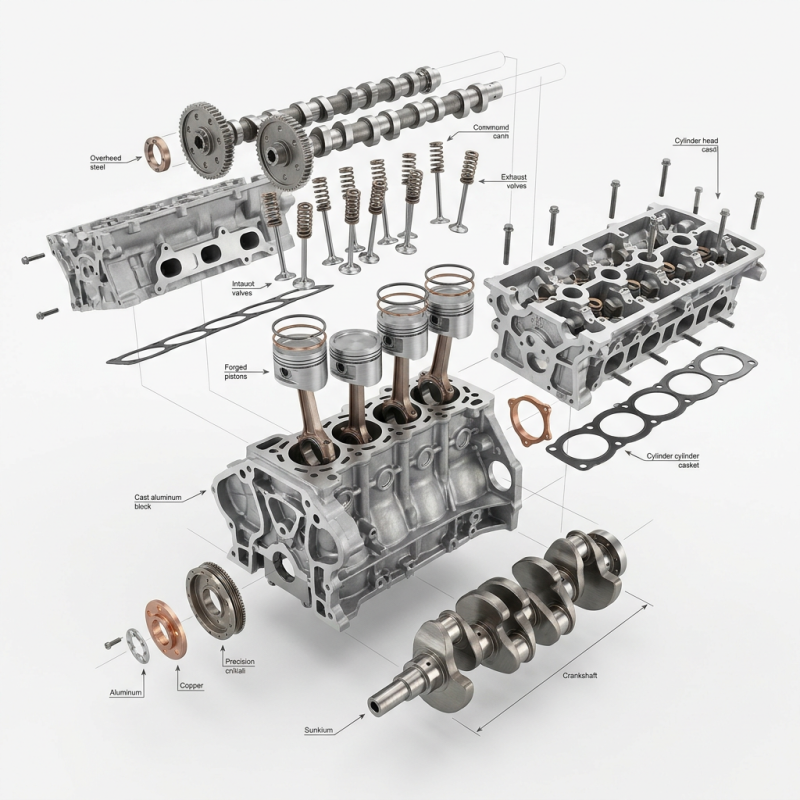
The internal combustion engine, as the core power source of modern industrial civilization, is essentially a thermodynamic machine that converts the chemical energy of fuel into mechanical kinetic energy through controlled combustion. Its basic structure consists of key components such as the cylinder, piston, connecting rod, and crankshaft. These components work together under extreme high-temperature and high-pressure environments, supporting the continuous operation of construction machinery, generator sets, and heavy-duty transport vehicles. The working logic of the internal combustion engine is based on the second law of thermodynamics. By igniting the fuel-air mixture in the sealed cylinder space, a huge expansion pressure is generated, driving the piston in reciprocating linear motion, which is then converted into rotational torque output by the crankshaft and connecting rod mechanism. The sealing performance of each piston ring and the wear resistance of each bearing directly affect the efficiency of heat energy conversion.
A thorough analysis of the internal combustion engine’s operation requires a detailed breakdown of its classic four-stroke working cycle, namely the four precisely synchronized stages of intake, compression, power stroke, and exhaust. During the intake stroke, the intake valve opens, and the piston moves from top dead center to bottom dead center, drawing air or a mixture into the cylinder. Then, in the compression stroke, both intake and exhaust valves close, and the piston moves upward, violently compressing the gas until its pressure and temperature reach the critical point for fuel auto-ignition or ignition. As the piston approaches top dead center, the fuel injector or spark plug triggers combustion. The instantaneously generated high-temperature, high-pressure gas violently pushes the piston downward during the power stroke. This is the only stage in the entire cycle that generates effective mechanical work and directly determines the engine’s torque output. Finally, the exhaust stroke, through the upward movement of the piston, expels the combusted exhaust gases, clearing space for the next cycle. This interconnected process requires the valve train and piston movement to achieve microsecond-level timing precision. Any slight timing deviation can lead to power loss or serious mechanical failure. Jianming Machinery understands that maintaining the accuracy of the four-stroke cycle is crucial for extending mechanical life, whether for diesel engines in excavators or general-purpose generators, and high-precision valves, piston kits, and precision seals are the material foundation for ensuring the stable operation of this cycle.
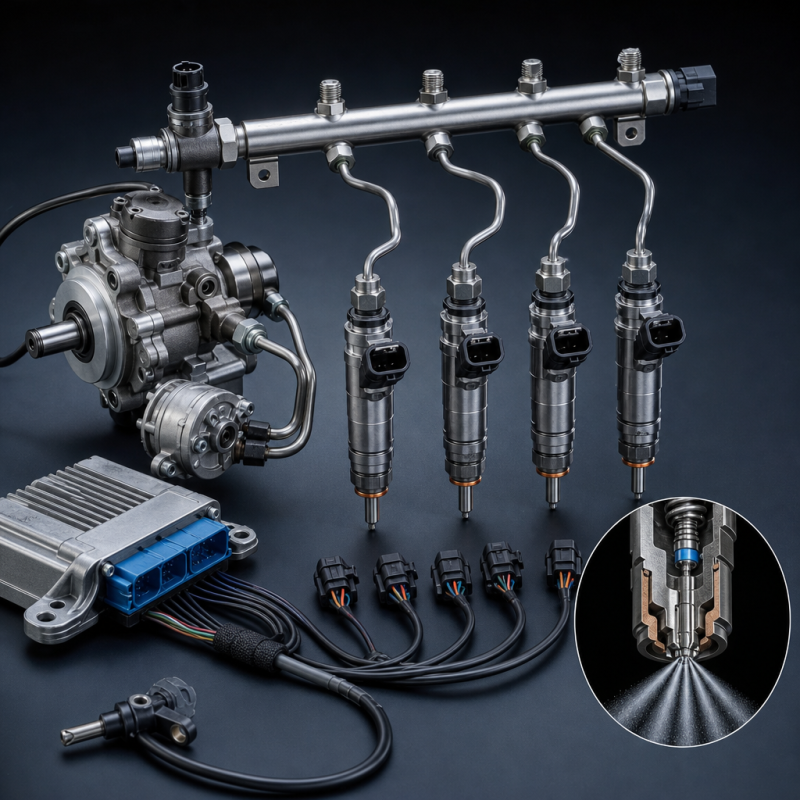
In modern industrial applications, the technological evolution of internal combustion engines is continuously moving towards higher thermal efficiency and lower emissions. This involves not only optimizing combustion logic but also relying on the application of advanced materials science. With the widespread adoption of turbocharging, high-pressure common rail, and electronic control technologies, the power density of internal combustion engines has been significantly improved, enabling them to meet more demanding load challenges while maintaining a compact size. This evolution places higher demands on the durability of components; for example, pistons must have better thermal fatigue resistance, and connecting rod bolts need to withstand greater impact loads. We will continue to delve into the technical analysis of the entire internal combustion engine industry chain, ensuring that every professional seeking power solutions can gain the most direct technical insights through our professional perspective, thus establishing Jianming Machinery’s leading position in the global construction machinery spare parts field.
jianming machinery