In-depth analysis of engine exhaust smoke signals: the reasons behind the smoke color

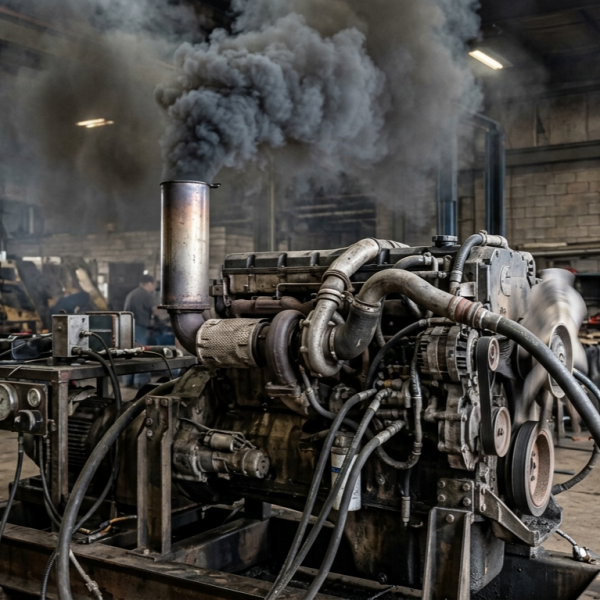
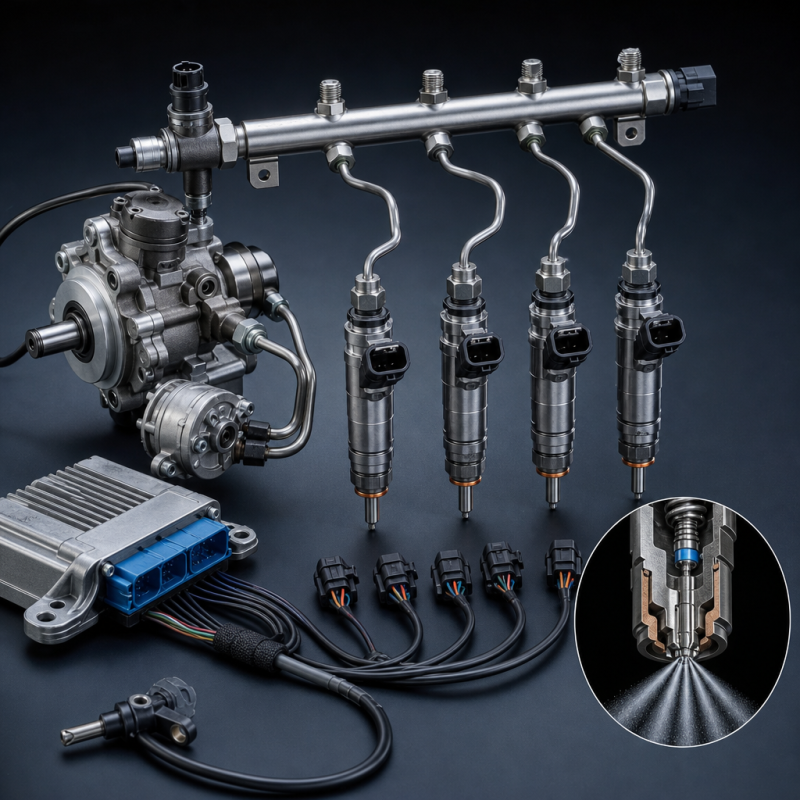
Black smoke from engine exhaust is one of the most common signs of performance degradation in industrial machinery. The underlying physical reason is that the fuel fails to undergo a complete chemical reaction in the combustion chamber, resulting in a large amount of unburned carbon particles being expelled with the exhaust gas. This situation usually stems from a failure in the precision of the fuel injection system or severe blockage in the intake system, directly reflecting an imbalance in the air-fuel ratio. When fuel injector wear leads to decreased atomization quality, or when a fuel pressure regulator malfunctions, resulting in excessive fuel injection, the air-fuel mixture becomes too rich, exceeding the range of complete combustion supported by oxygen in the cylinder, thus producing a large amount of black smoke. Severe dust accumulation in the air filter or reduced efficiency of the turbocharger are also major causes, as this significantly reduces the air supply during the intake stroke. Black smoke not only signifies inefficient fuel consumption but also leads to the accumulation of large amounts of hard carbon deposits on the cylinder head and piston crown, severely affecting the engine’s instantaneous torque response and thermal efficiency. Regularly replacing high-quality precision fuel injectors and air filter components to maintain an ideal combustion environment is essential for eliminating black smoke and ensuring the long-term power output of industrial engines.
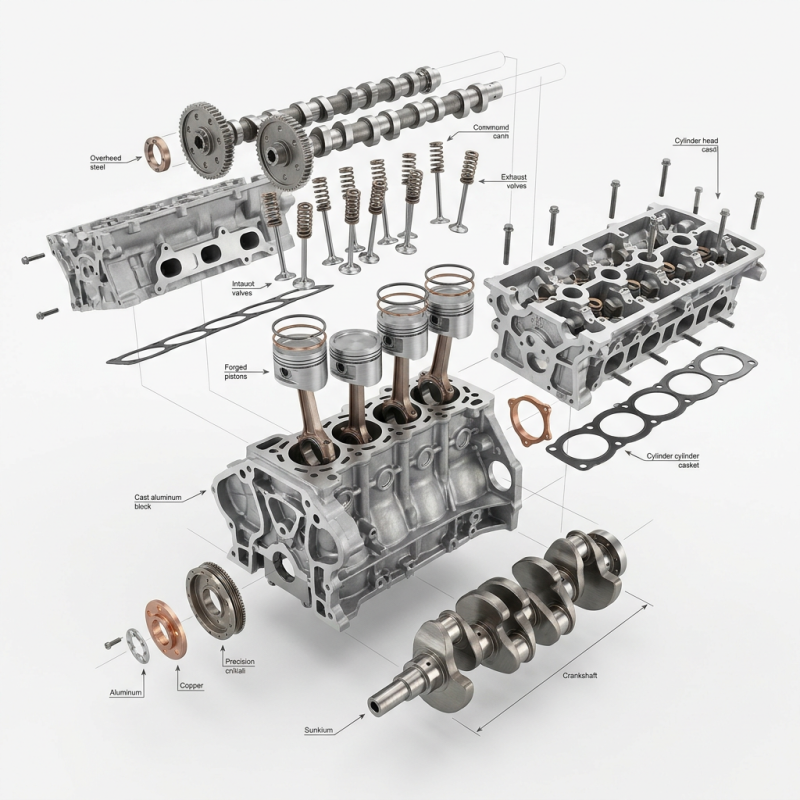
Unlike black smoke, which indicates incomplete combustion, white smoke from an engine often indicates coolant intrusion into the combustion chamber or unignited fuel under extreme conditions. Its true meaning concerns the engine’s structural integrity and hot-start efficiency. If white smoke continues to be emitted after the engine reaches normal operating temperature, accompanied by an abnormal drop in coolant level, this is usually a fatal sign of a damaged cylinder head gasket or micro-cracks inside the cylinder head. Coolant rapidly converts into water vapor under high temperature and pressure, which not only dilutes the lubricating oil film leading to dry mechanical friction but also causes severe physical erosion. During cold starts in extremely cold climates, because the cylinder wall temperature has not yet reached the auto-ignition point of diesel fuel, some atomized fuel will be directly emitted as tiny droplets, forming white smoke with a pungent odor. This usually indicates glow plug failure or insufficient compression ratio. White smoke is a core indicator for evaluating the sealing performance of the cooling system and the hermetically tightness of the piston rings. Early identification of the mechanical risks behind white smoke, and replacement with original equipment manufacturer (OEM) cylinder head gaskets and precision seals, can effectively prevent catastrophic failures such as connecting rod bending caused by water hammer, ensuring the thermal stability of the powertrain under complex operating conditions.
Blue smoke, on the other hand, is a clear signal of lubrication system intrusion. Its core meaning is that engine oil is participating in an abnormal combustion process, which usually indicates severe wear or seal failure in precision moving parts. The most common cause is piston ring seizure due to carbon buildup or severe wear, causing engine oil to leak from the crankcase up the cylinder wall into the combustion chamber—the so-called “oil leakage” phenomenon. In addition, aging and hardening of valve guide seals, or failure of the turbocharger floating bearing seals, can also cause lubricating oil to be drawn into the intake and exhaust ports. Blue smoke not only leads to spark plug contamination or injector coking, but can also cause fatal accidents such as cylinder scoring or bearing seizure due to rapid oil depletion.
jianming machinery