Engine service life

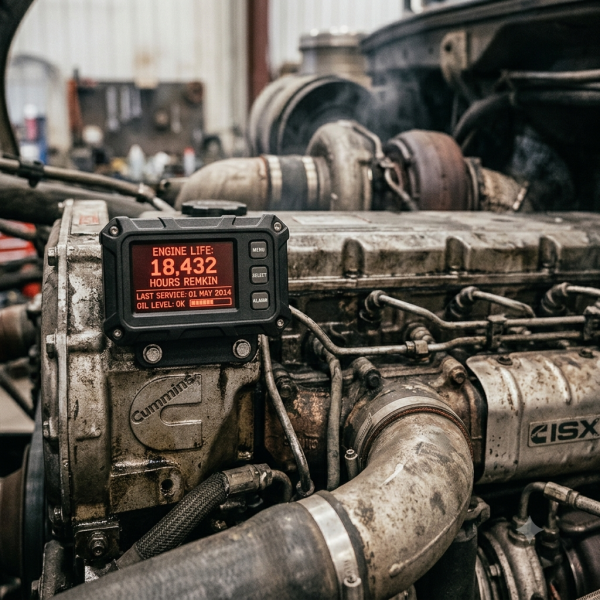
An engine’s operational lifespan is a complex engineering metric; it is not determined by a single physical limit but is the result of the interplay between mechanical wear, thermodynamic fatigue, lubrication management, and operating conditions. In engineering, we typically measure an engine’s lifecycle in terms of “hours between overhauls” or “total mileage over its service life.” The end of an engine’s life is generally defined by significant performance degradation—such as a drop in compression pressure, a sharp rise in fuel consumption, or an inability to meet power output requirements—or when maintenance costs exceed the value of a replacement unit, signaling that the power unit is no longer economically viable or technically reliable.
- Three Core Physical Factors Determining Lifespan
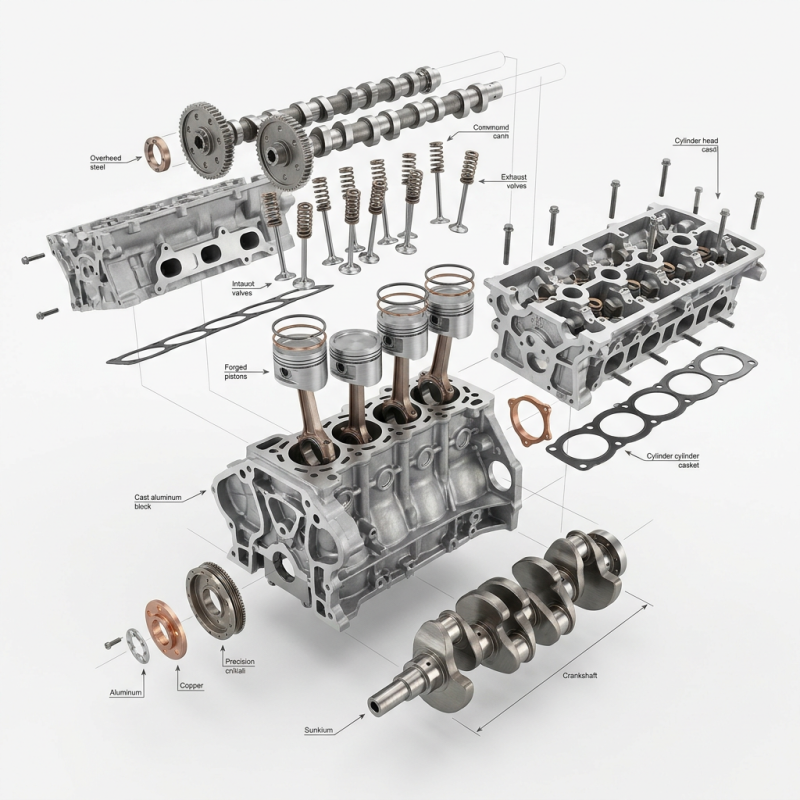
Accumulation of mechanical wear: At its core, engine operation involves the reciprocating and rotational movement of components such as piston rings against cylinder liners and bearings against the crankshaft. Even with a lubricating oil film, factors such as dry friction during cold starts, metal fatigue during high-speed operation, and the abrasive effects of contaminants cause mating clearances to widen progressively, ultimately leading to seal failure and power loss.
Thermodynamic fatigue: Modern engines undergo intense thermal cycling (with combustion chamber pressures exceeding 200 bar and temperatures surpassing 2000°C). Components like cylinder heads, piston crowns, and exhaust valves are constantly subjected to alternating expansion and contraction; this prolonged stress cycling leads to the formation of micro-cracks in the metal. Once the material’s fatigue limit is reached, catastrophic failures—such as blown head gaskets, piston ablation, or cylinder head cracking—can occur.
Integrity of lubrication and cooling systems: Lubricating oil serves not only to reduce friction but also as a medium for heat exchange and the suspension of impurities. If the oil loses its functionality due to high-temperature oxidation, fuel dilution, or the accumulation of contaminants, adhesive wear can occur on metal surfaces within hours, abruptly ending the engine’s service life.
- The Amplifying Effects of Operating Conditions and Maintenance
An engine’s actual operational lifespan varies drastically depending on the application scenario. An industrial engine operating at a steady, constant speed in a generator set can run smoothly for 30,000 to 50,000 hours; conversely, in construction machinery characterized by frequent start-stop cycles, high dust levels, and drastic load fluctuations, its lifespan is typically reduced to 10,000 to 20,000 hours. Maintenance quality is the most significant variable affecting longevity:
Air Filtration: Even minute amounts of dust or sand in the intake air act as an abrasive paste within the cylinders. In dusty environments, the condition of the air filter directly determines the rate of cylinder liner wear.
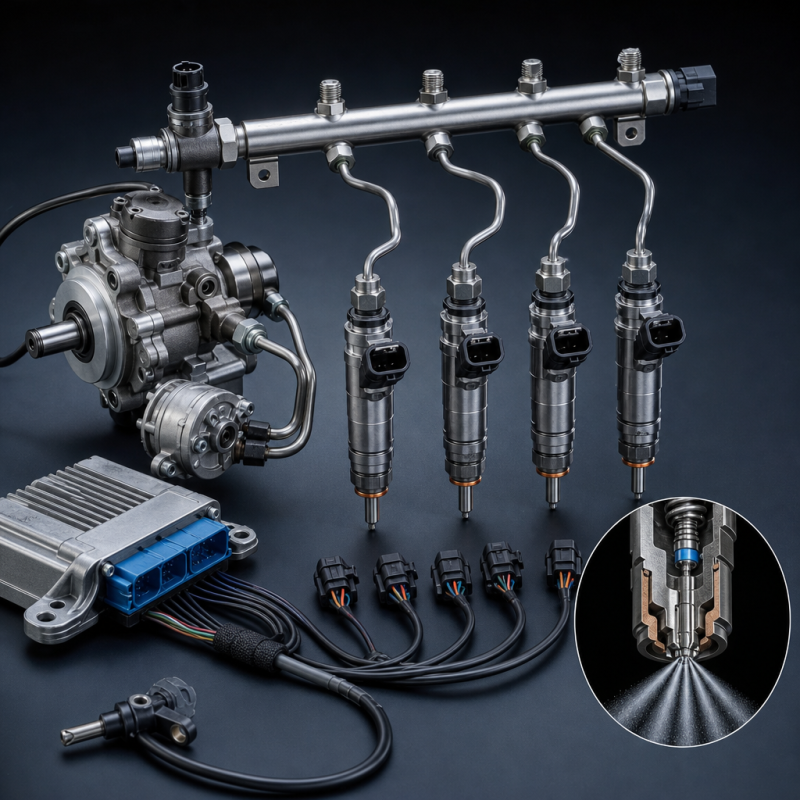
Fuel Quality: Excessive sulfur content leads to the formation of sulfuric acid, which corrodes cylinder liners, while moisture and impurities disrupt the precise fluid dynamics of high-pressure common-rail systems. This degrades combustion, indirectly causing carbon buildup and high-temperature thermal damage.
Cold Start Management: The vast majority of engine wear occurs in the first few minutes following a cold start, when lubricating oil viscosity is high and circulation is slow, preventing the formation of a complete oil film. Neglecting warm-up procedures and proceeding directly to operation significantly shortens the engine’s overall lifespan.
- Redefining “Lifespan” in the Digital Era
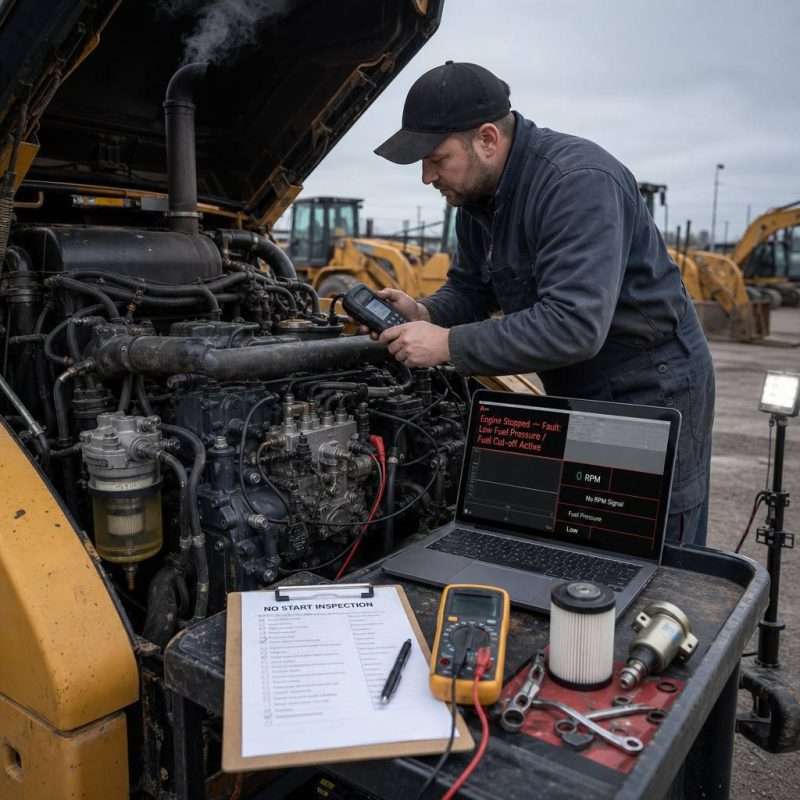
For modern electronically controlled engines, the end of their lifespan is sometimes defined not by mechanical “total failure,” but by “unrepairability” from a maintenance perspective. As after-treatment systems become increasingly complex and deeply integrated with engine control logic, an engine is often deemed to have reached the end of its life when its Electronic Control Unit (ECU) frequently reports errors, sensor systems fail, and repair costs become prohibitive—even if the mechanical core remains capable of running. Furthermore, tightening environmental regulations act as an external factor terminating an engine’s lifespan; when an engine meeting older standards (such as China II or III) cannot satisfy the latest urban emission requirements through simple after-treatment upgrades, its social value as a productive asset is effectively nullified, regardless of how pristine its mechanical condition may be.
Ultimately, an engine’s lifespan should not be judged solely by its brand label, but rather by the balance between its “design redundancy” and the “compatibility with its operating environment.” Superior industrial engines achieve longevity because, from the design stage, they incorporate engineering features—such as high-strength wet cylinder liners, forced-cooling pistons, and high-flow oil cooling systems—that provide a substantial safety margin for extreme operating conditions. For any user of construction machinery, maintenance is not merely a remedial measure; rather, through the rigorous implementation of preventive maintenance (PM), it serves to delay the irreversible degradation of metal caused by the physical laws governing machinery.
jianming machinery