Diesel engine’s versatility

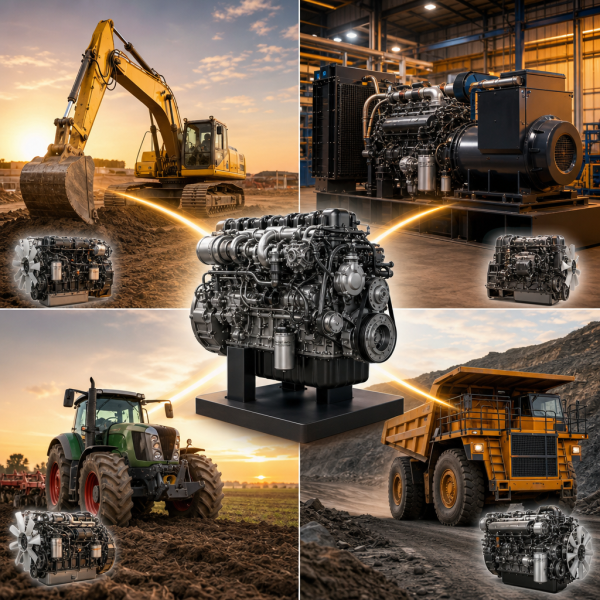
The fundamental reason why diesel engines hold an unshakeable dominant position in the global power market lies in their core strengths: extremely high thermal efficiency and abundant low-speed torque. This allows them to establish a power logic suitable for almost all heavy-duty, long-duration, and harsh working conditions. Diesel engines achieve compression ignition through compression ratios exceeding 15:1, enabling them to convert a larger proportion of the fuel’s chemical energy into effective mechanical work. This thermodynamic advantage directly translates into significantly superior fuel economy, making them the preferred power source for transportation, mining, and agriculture sectors, where operating costs are extremely sensitive. More importantly, the low-speed, high-torque characteristics of diesel engines are naturally matched to the load requirements of hydraulic systems in construction machinery. When excavators are digging with their buckets or loaders are overcoming material resistance, the engine can output sufficient torque to overcome the enormous resistance without needing to increase its speed. This power characteristic not only improves operational efficiency but also reduces operator fatigue from frequent gear shifting. The applicability of diesel engines is not a single-dimensional technological advantage, but rather a comprehensive performance across multiple dimensions, including thermal efficiency, torque output, fuel safety, and structural durability. This multi-dimensional integration allows them to find an indispensable niche in almost all basic industrial sectors, such as construction, mining, agriculture, shipbuilding, railways, and power generation.
Regarding adaptability to extreme conditions, diesel engines demonstrate the ability to operate stably and continuously in harsh environments such as high altitudes, extreme cold, high temperatures, and high dust levels. This is the core support for their global applicability. At altitudes of thousands of meters, the thin air causes a significant power reduction in naturally aspirated gasoline engines. However, diesel engines equipped with turbochargers compensate for the decrease in atmospheric density through forced air intake, maintaining power output close to that at sea level. This high-altitude adaptability makes them the absolute mainstay in the construction of the Qinghai-Tibet Railway, high-altitude mining, and high-altitude logistics transportation. In extremely cold environments with temperatures dropping to tens of degrees below zero, the compression ignition characteristics of diesel engines, combined with glow plugs and intake air heating systems, enable reliable cold starts. Conversely, in the extreme heat of tropical deserts, diesel fuel’s high flash point and non-volatile physical properties give it far superior storage and usage safety compared to gasoline. Thanks to its simple structure and lack of a high-pressure ignition system, diesel engines exhibit exceptional environmental resilience even in remote construction sites with limited maintenance conditions. Their robust cast iron chassis and low-speed design allow them to withstand long-term full-load operation while maintaining stable performance. This all-terrain adaptability, from frigid to tropical regions, from sea level to high altitudes, is the fundamental guarantee for the long-term viability of diesel power in the global infrastructure construction boom.
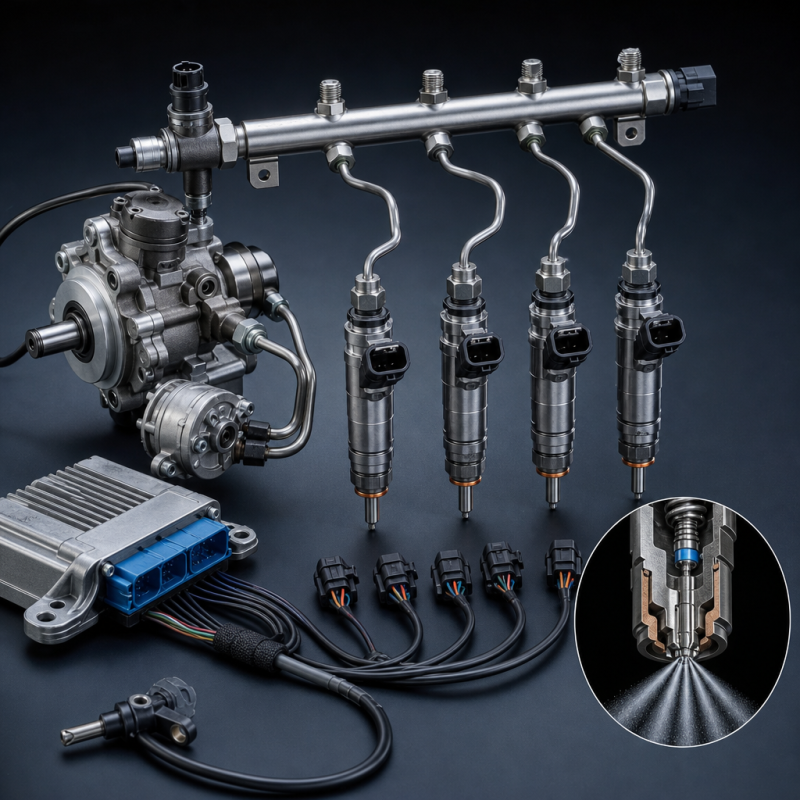
From the ultimate perspective of technology selection and economic evaluation, the applicability of a diesel engine is ultimately reflected in the precise matching between its power rating, operating conditions, and maintenance requirements with the specific application scenario. The rationality of this matching directly determines the comprehensive benefits throughout the equipment’s entire lifecycle. In generator sets and marine propulsion applications operating at continuous full load, diesel engines’ high thermal efficiency and long maintenance intervals make them an irreplaceable choice. In municipal machinery and agricultural equipment operating intermittently, diesel power’s low idling fuel consumption and instant torque response ensure operational flexibility and economy. Modern diesel engines have formed a complete power spectrum covering everything from micro single-cylinder to ultra-large two-stroke engines. With various technology combinations such as inline and V-type, naturally aspirated and turbocharged, and mechanical pumps and high-pressure common rail, they can precisely meet the differentiated needs of users of different industries and sizes.
jianming machinery