Diesel Engine Use and Maintenance Guide: Avoid Five Common Mistakes to Make Your Equipment More Durable and Fuel-Efficient


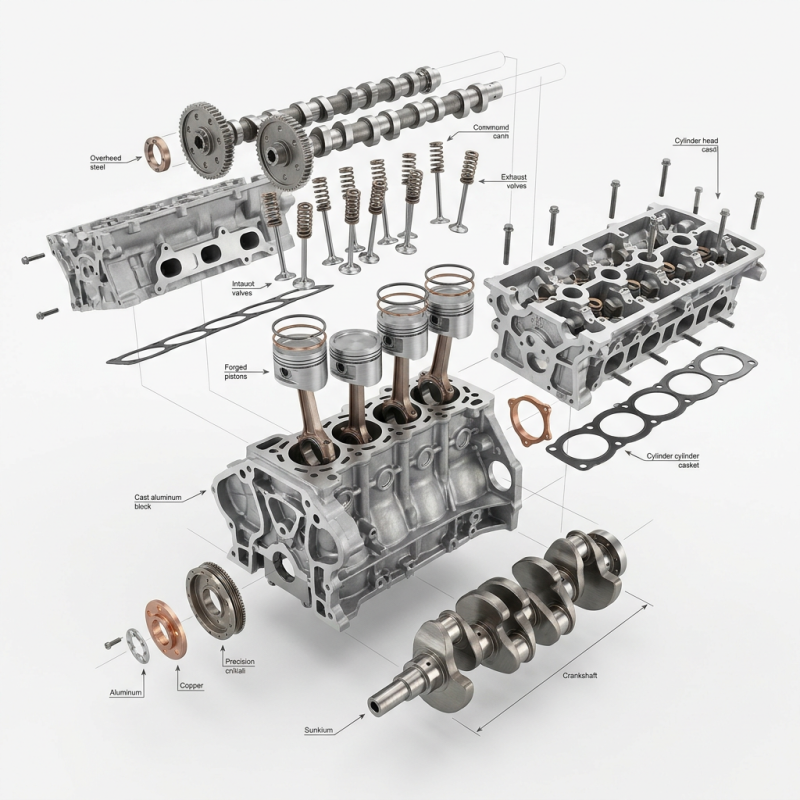
Diesel engines, with their advantages of high thermal efficiency, high low-speed torque, good fuel economy, and long service life, are widely used in construction machinery, agricultural machinery, generator sets, commercial vehicles, and mining equipment. With the increasing prevalence of technologies such as high-pressure common rail, electronic injection, and exhaust aftertreatment, modern diesel engines have evolved from traditional mechanical power systems into high-precision devices integrating mechanical, electronic, hydraulic, and emission control systems. However, in daily use, many users still rely on past operating experience, believing that “old methods are more reliable.” Unbeknownst to them, these seemingly correct habits often contradict the design principles of modern diesel engines. Long-term incorrect operation not only increases fuel consumption and reduces engine output performance but also accelerates the wear and tear of internal components, shortens the overall engine life, and in severe cases, can lead to costly repairs such as cylinder scoring, bearing seizure, bearing failure, and damage to the fuel injection system. Therefore, mastering scientific usage and maintenance methods is a crucial foundation for ensuring the long-term stable operation of diesel engines and reducing operating costs.
I. Prolonged Idling After Start-up Does Not Protect the Engine
Many drivers, especially in cold regions, are accustomed to letting their equipment idle for extended periods after starting the engine, hoping to warm up the engine before operating it, believing this will reduce wear. In reality, this practice is more suitable for mechanical diesel engines from decades ago. For modern electronically controlled high-pressure common rail engines, prolonged idling is more detrimental than beneficial.
After starting the engine, oil pressure usually builds up within seconds, at which point the engine already has basic lubrication conditions. If prolonged low-temperature idling continues, the combustion chamber temperature remains low, preventing complete combustion of diesel fuel. A large amount of unburned particles will form carbon deposits that adhere to the injectors, piston tops, intake and exhaust valves, and the combustion chamber. Simultaneously, a small amount of fuel may enter the crankcase along the cylinder walls, diluting the engine oil and reducing its lubrication performance. For engines equipped with EGR systems, VGT variable geometry turbochargers, and DPF diesel particulate filters, prolonged low-temperature idling can also easily cause EGR carbon buildup, turbocharger variable mechanism jamming, and DPF regeneration failure, thereby increasing the failure rate of the aftertreatment system.
The correct approach is to maintain stable operation for 30 seconds to 2 minutes after starting the engine, allowing oil pressure to build up. Then, drive slowly at low to medium speeds with light loads, allowing the engine to gradually warm up under actual load. This not only shortens warm-up time but also reduces cold wear and improves fuel efficiency.
Secondly, low speeds don’t necessarily save fuel; prolonged low-speed, heavy-load operation is more harmful.
Many users believe that lower diesel engine speeds are more fuel-efficient, so they try to maintain low speeds regardless of operating conditions, even under heavy loads. While this may seem to save fuel in the short term, it significantly increases the engine load in the long run.
Although diesel engines are characterized by high torque at low speeds, each engine has an optimal economic operating range. When the engine is under prolonged low speed and heavy load, combustion pressure increases significantly, and the crankshaft, connecting rods, pistons, and bearings experience greater mechanical shock. Simultaneously, reduced fuel atomization leads to incomplete combustion, producing more carbon deposits, causing injector blockage, piston ring sticking, exhaust valve carbon buildup, and even erosion. Furthermore, insufficient exhaust temperature can affect DPF regeneration efficiency, accelerate particulate filter clogging, and ultimately lead to decreased power and increased fuel consumption.
Generally speaking, the optimal fuel economy range for most diesel engines is around 60% to 80% of their rated speed. Maintaining the engine within the manufacturer-recommended fuel-efficient speed range allows for optimal power performance while also ensuring fuel economy and component lifespan.
III. More engine oil is not necessarily better, and color alone should not be used to determine when to change it.
The lubrication system is the “lifeline” of a diesel engine, yet misconceptions about engine oil remain prevalent. Some users believe that more oil is safer, while others change the oil immediately upon seeing it turn black. Both practices lack scientific basis.
During diesel engine operation, the detergent-dispersant additives in the engine oil continuously absorb carbon soot particles produced by combustion. Therefore, the gradual darkening of the oil color is a normal phenomenon, indicating that the oil is still performing its cleaning function. What truly determines whether the engine oil needs changing is its viscosity change, oxidation level, acid value, and the remaining performance of additives, not the color itself.
On the other hand, overfilling the engine oil also poses significant risks. When the oil level exceeds the upper limit, the high-speed rotation of the crankshaft violently agitates the oil, producing excessive foam, reducing oil film strength, and affecting lubrication. Simultaneously, excess oil may enter the combustion chamber through the crankcase ventilation system, causing oil burning, increased carbon buildup, and in severe cases, even leading to engine overheating.
Therefore, the engine oil level should always be maintained between the upper and lower marks on the dipstick, and the appropriate lubricant should be selected strictly according to the engine manufacturer’s specifications regarding API grade, ACEA standards, and viscosity grade. The oil should also be changed according to the prescribed maintenance schedule.
IV. Fuel Cleanliness Determines the Lifespan of the High-Pressure Common Rail System
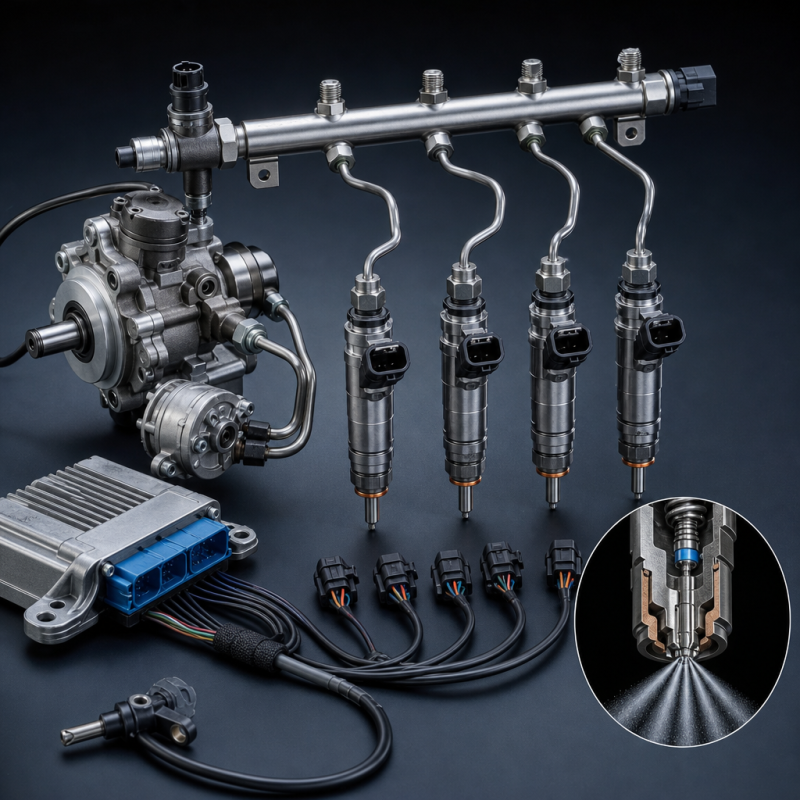
With the development of high-pressure common rail technology, modern diesel engine injection pressures have generally reached 1800–2500 bar, with some advanced models exceeding 2700 bar. Such high injection pressures mean that the clearance between the precision components inside the injector and high-pressure fuel pump is only a few micrometers, placing extremely high demands on fuel cleanliness.
Prolonged use of low-quality diesel fuel, containing moisture, metal particles, gum, and impurities, will rapidly wear down the high-pressure fuel pump plunger and injector needle valve, resulting in insufficient injection pressure, reduced atomization, weakened engine power, and increased fuel consumption. In severe cases, it can even lead to the failure of the entire common rail system. Furthermore, prolonged retention of water in the fuel can easily cause fuel system corrosion, microbial growth, and fuel deterioration, further shortening the lifespan of the fuel system.
In routine maintenance, clean diesel fuel that meets national or international standards should be selected, the diesel fuel filter should be replaced on schedule, and water should be drained from the fuel-water separator regularly. Compared to the high cost of repairing the high-pressure fuel pump and injectors, the maintenance cost of timely filter replacement is almost negligible, yet it significantly improves the reliability of the entire fuel system.
V. Coolant is not only responsible for heat dissipation but also plays a comprehensive protective role.
Many users believe that as long as the engine does not have a high-temperature warning light, the cooling system is working properly. Therefore, they use ordinary tap water instead of antifreeze for a long time, and even do not change the coolant for several years. This practice actually causes continuous damage to the engine’s internal components.
Modern engines use long-life antifreeze that not only transfers heat but also provides multiple functions such as antifreeze, anti-boiling, anti-corrosion, anti-rust, anti-cavitation, and protection of water pump seals. Ordinary tap water contains a large amount of minerals such as calcium and magnesium, which easily form scale under prolonged high temperatures. This scale adheres to the cylinder block water jacket, cylinder head, and radiator, significantly reducing heat dissipation efficiency. Simultaneously, electrochemical corrosion can occur between different metals, leading to internal rust in the cooling system. For diesel engines with wet cylinder liner structures, long-term use of ordinary water can also cause cylinder liner cavitation, severely impacting engine lifespan.
It is recommended to regularly replace the antifreeze with a suitable long-life antifreeze according to the manufacturer’s specifications. During routine maintenance, the thermostat, water pump, radiator, fan, and all connecting pipes should be checked to ensure the engine operates stably within its optimal operating temperature range of 85℃ to 95℃. This not only improves combustion efficiency but also effectively extends the overall engine lifespan.
Conclusion
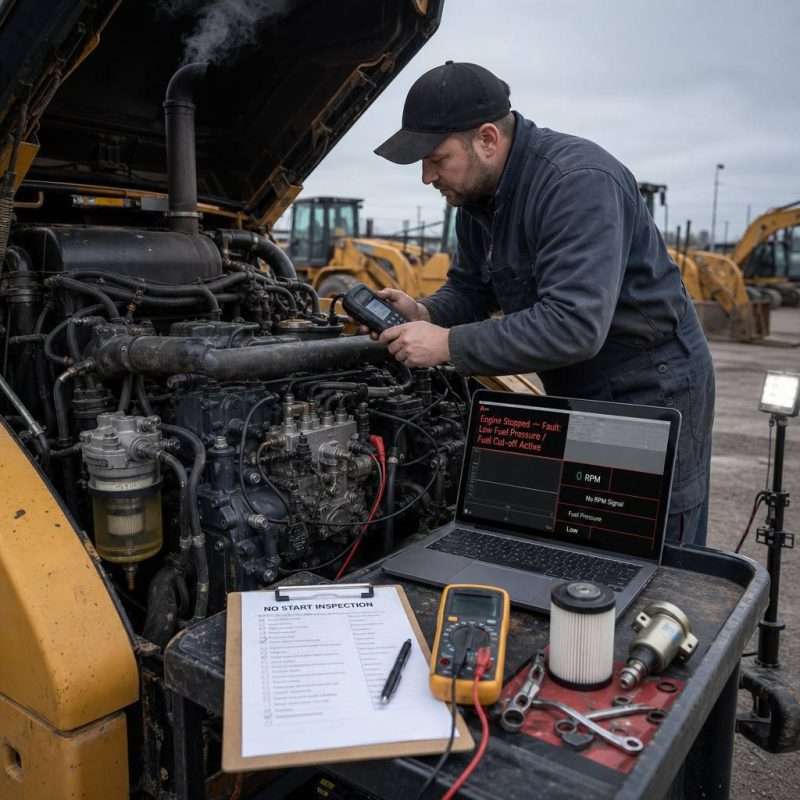
Modern diesel engines have entered the era of high-pressure common rail, electronic management, and intelligent emission control. Their operating efficiency and reliability far exceed those of traditional mechanical diesel engines. However, this also places higher demands on operating procedures and maintenance quality. Many equipment failures are not due to the product itself, but rather the result of long-term improper use and inadequate maintenance. Scientific preheating methods, reasonable speed control, standardized lubrication management, a clean fuel system, and comprehensive cooling maintenance collectively form the foundation for the long-term stable operation of diesel engines.
For equipment managers, rather than incurring high repair costs after a failure occurs, it is better to establish a preventative maintenance philosophy, strictly adhere to the manufacturer’s prescribed maintenance cycles and technical requirements, and combine this with modern maintenance methods such as oil analysis, fault diagnosis, and condition monitoring to identify potential problems early. Only by adhering to scientific use and standardized maintenance can the high efficiency, high reliability, and long lifespan of diesel engines be truly realized, creating higher economic value and a longer service life for equipment.
jianming machinery