Deep-seated damaging mechanisms of moisture penetration into diesel engines: A systematic analysis from physical impact to chemical corrosion


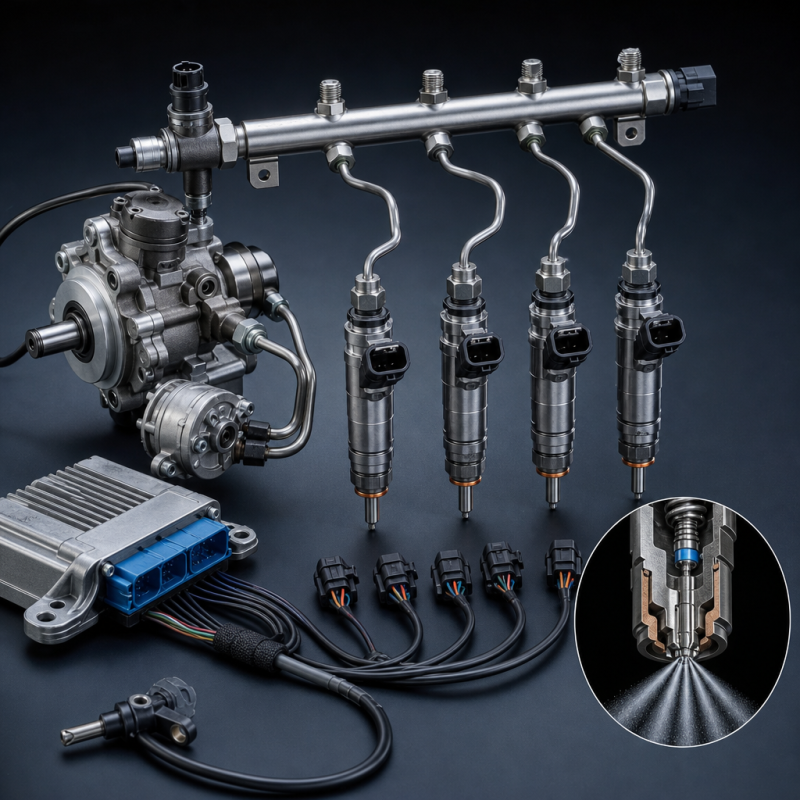
Moisture damage to diesel engines is one of the most insidious and extremely harmful causes of failure in industrial machinery. Its erosion pathways are mainly divided into two categories: external intrusion and internal condensation, and its destructive logic often begins in the fuel system and spreads throughout the entire engine. When inferior diesel fuel containing moisture enters the high-pressure common rail system, the viscosity and lubricity of water are far lower than those of diesel. This causes the needle valve assembly and plunger pair inside the precision injector to lose hydrodynamic pressure protection in a very short time, resulting in severe frictional wear and even instantaneous seizure. Even more fatally, under the injection pressure of several thousand bar in the combustion chamber, even trace amounts of water will instantly vaporize and expand, producing a micro-explosion effect, directly causing cavitation and orifice deformation at the injector tip. This damage has almost no gradual warning; often, after a single instance of adding inferior fuel, the equipment will suffer severe combustion degradation and power loss due to complete injector failure. Therefore, establishing a strict daily drainage system for fuel filters (oil-water separators) is the first line of defense against moisture intrusion into the fuel system and the lowest-cost strategy to ensure the effective operation of the high-pressure fuel system throughout its entire life cycle.
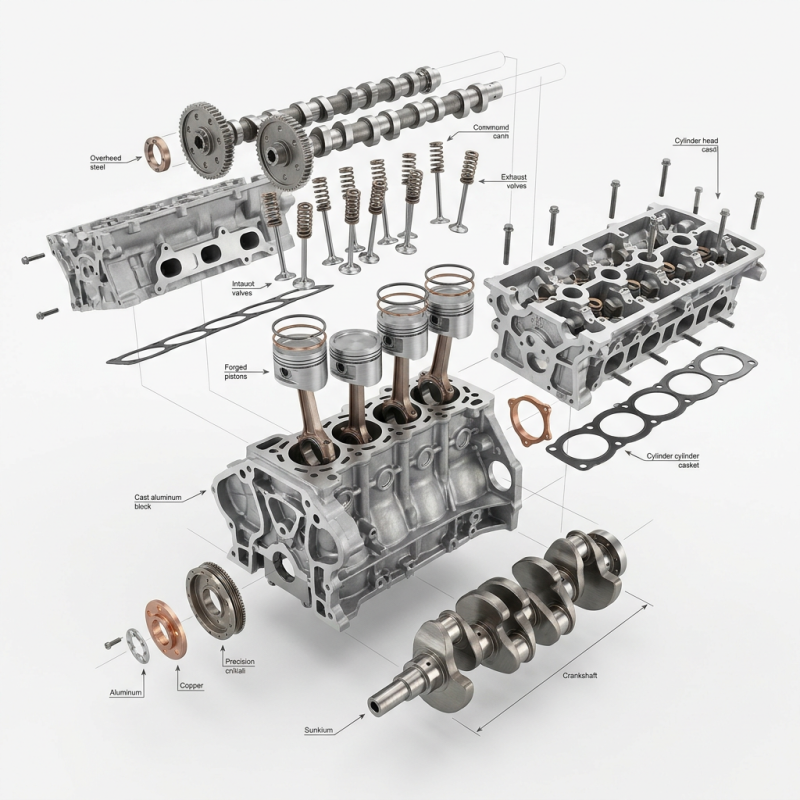
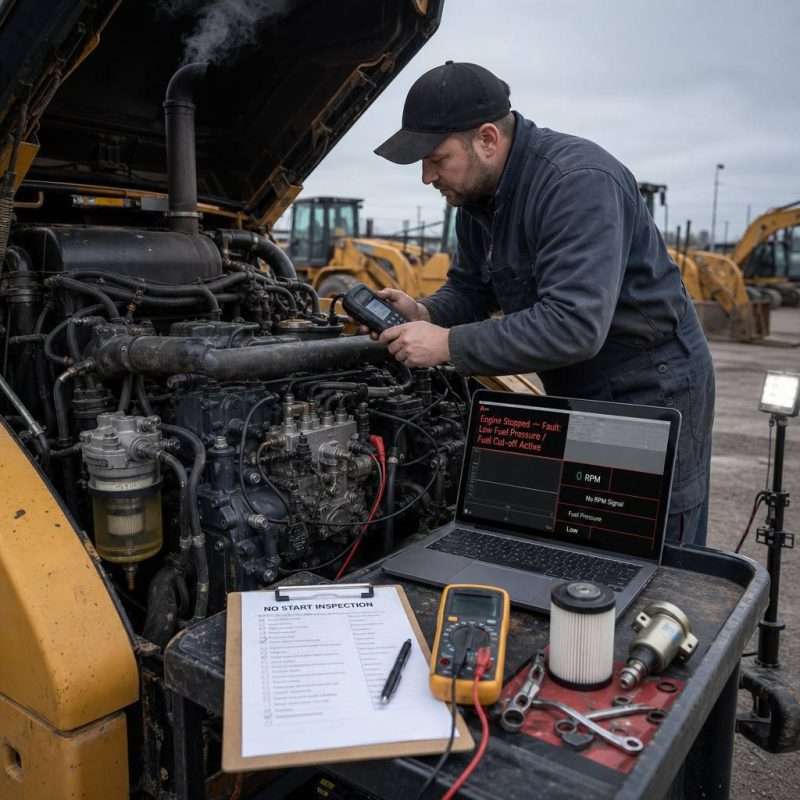
Besides direct corrosion of the fuel system, water intrusion into the combustion chamber through cylinder head gasket damage, cylinder head micro-cracks, or intercooler leaks is a major pathway leading to catastrophic mechanical failures. Due to water’s incompressible nature, when the piston encounters accumulated liquid water in the cylinder during the upward compression stroke, the rigid reaction force of the liquid generates a powerful, explosive impact far exceeding design limits within microseconds. This directly causes connecting rod bending, piston breakage, and even cylinder block perforation. Once this “water hammer effect” occurs, the engine faces catastrophic failure. Even if the amount of intruding water is insufficient to trigger water hammer, it will still transform into superheated steam during high-temperature combustion, scrubbing the oil film on the cylinder walls and directly causing dry friction and cylinder scoring between the piston rings and cylinder liners. In Jianming Machinery’s technical diagnostic practice, a continuous abnormal drop in coolant level and a large amount of white smoke from the exhaust pipe are the core characteristics for identifying this type of fault. Regularly performing cooling system pressure tests, promptly replacing aged and hardened cylinder head gaskets, and using high-quality antifreeze to inhibit chemical pitting corrosion of cylinder liners are key maintenance strategies to prevent internal moisture buildup and protect the structural integrity of the engine.
When diesel engines experience internal condensation due to prolonged shutdown or extreme temperature differences, the lubrication system is often the hardest hit area for corrosive damage. Moisture mixed with engine oil rapidly causes emulsification, resulting in a loss of the oil film strength that protects bearings, camshafts, and piston rings under high temperature and pressure. More seriously, water mixed with sulfides and combustion products in the engine oil generates highly corrosive acidic substances that electrochemically pit the crankshaft journals, connecting rod bearings, and other precision friction surfaces during shutdown, creating pits that are difficult to detect with the naked eye. Once restarted, these pitted areas can expand into severe wear grooves within hours. For industrial machinery that is parked for extended periods, it is essential to perform a warm-up run before shutdown to fully evaporate any residual moisture in the crankcase, and to regularly replace deteriorated engine oil and filters as needed.
jianming machinery