


Benz OM936 Engine – Technical Overview and Service Summary


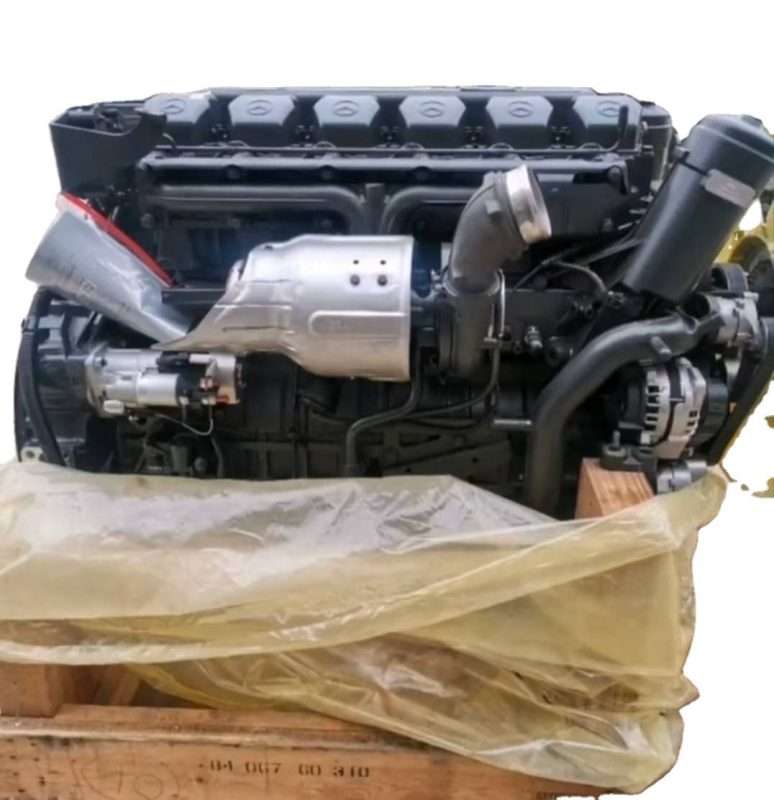
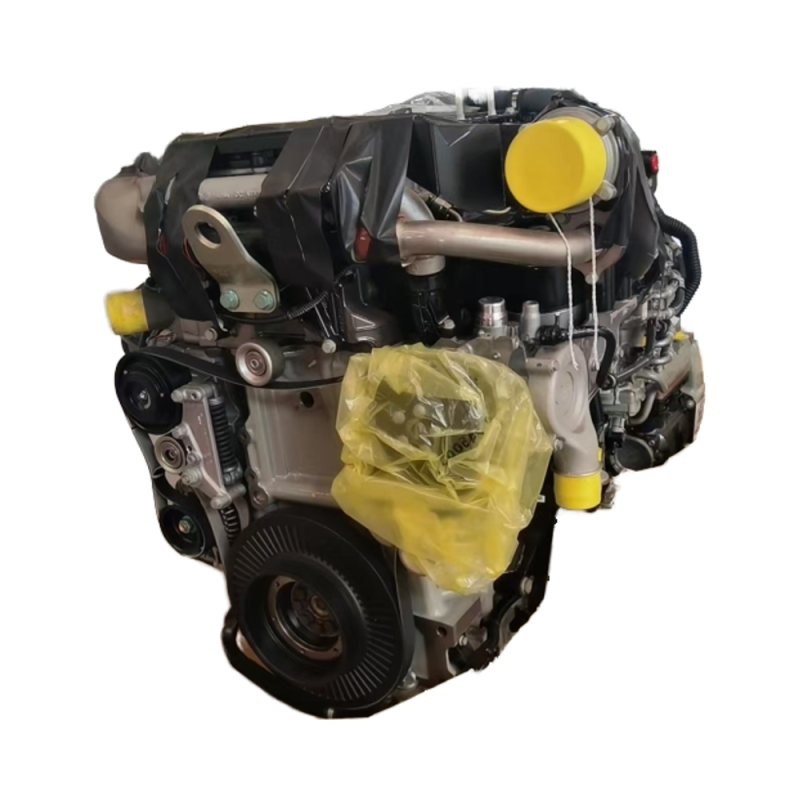
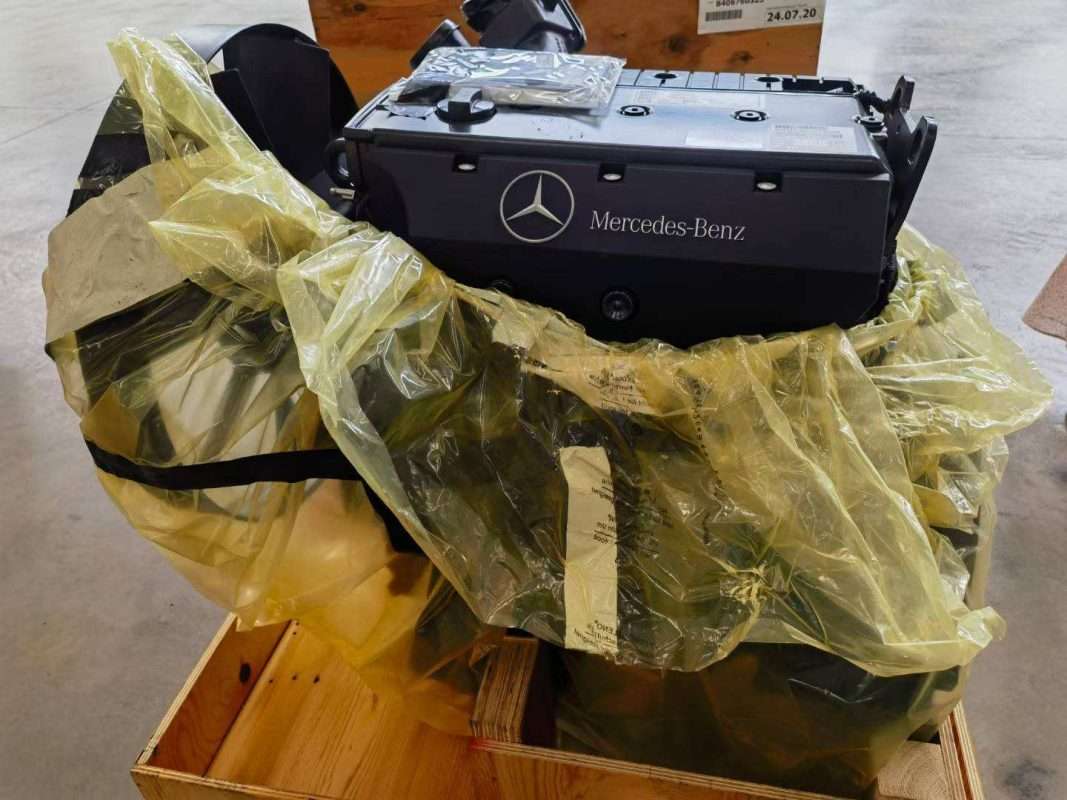
The Mercedes-Benz OM936 is a 7.7-liter inline-six diesel engine developed under the BlueEfficiency Power program for medium and heavy commercial vehicles. It replaced older OM926 and OM457 engines, introducing improved combustion efficiency, lower fuel consumption, and full Euro VI emission compliance. The OM936 is widely used in Atego, Arocs, and Unimog vehicles, as well as in industrial power units.
1. Engine Structure
The OM936 features a cast-iron block with wet replaceable liners and a forged-steel crankshaft supported by seven main bearings. This inline-six layout provides excellent mechanical balance and minimal vibration.
The cylinder head is made of high-strength cast iron with four valves per cylinder, driven by a rear-mounted gear-driven overhead camshaft. The rear gear train shortens accessory drive length and reduces noise in front-cab layouts. Roller rocker arms minimize friction losses.
Pistons are aluminum with oil-cooled crowns, and the compression ratio ranges between 17.3:1 and 17.6:1, depending on version. The cooling system uses a belt-driven centrifugal pump and a thermostatic valve to maintain 82–95 °C operating temperature.
2. Fuel Injection and Air System
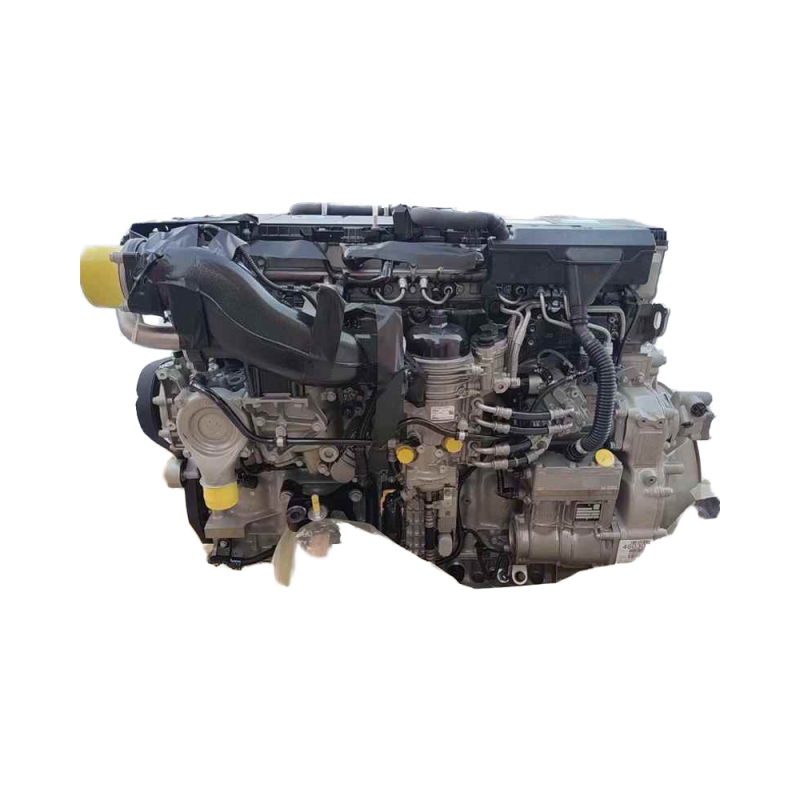
The OM936 adopts Common Rail Direct Injection (CRDI) with injection pressures up to 2,400 bar. A high-pressure pump delivers fuel to six electronically controlled injectors. Multiple injection events per cycle ensure precise atomization, quiet operation, and reduced particulate output.
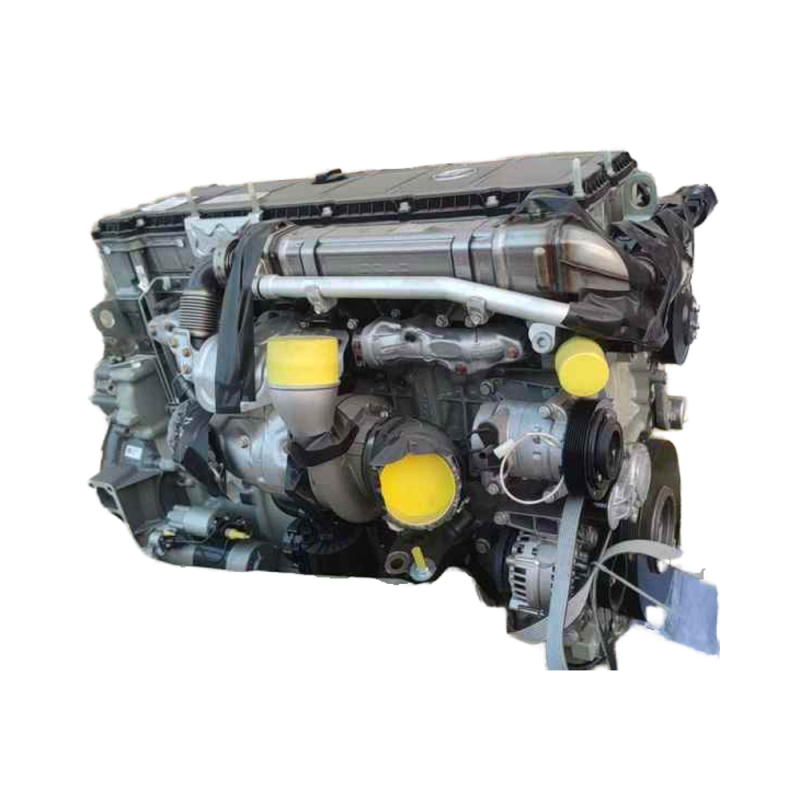
Air handling is managed by a turbocharger and intercooler system. Depending on variant, the engine may use single-stage or two-stage turbocharging (OM936LA). The two-stage version provides faster boost response and higher torque for heavy-duty use.
An Exhaust Gas Recirculation (EGR) valve routes a portion of exhaust gases into the intake to reduce NOx emissions. Combined with charge-air cooling and precise boost control, the OM936 maintains stable combustion across all conditions.
3. Lubrication and Cooling
Lubrication is full-pressure type with a gear-driven oil pump, dual filters, and an integrated oil cooler. Oil capacity is about 26–28 liters, depending on configuration. The cooling system ensures uniform heat distribution and prevents liner cavitation when using approved coolant (MB 325.0 specification).
4. Electronic Management
The OM936 is controlled by the Mercedes-Benz MR ECU, which coordinates injection timing, rail pressure, turbocharger geometry, EGR rate, and emission system operation. It communicates via CAN bus with vehicle systems.
Sensors monitor rail pressure, boost, air mass, NOx, exhaust temperature, coolant, and oil data. Diagnostic access is through STAR Diagnosis or OBD II. Common codes include turbocharger performance faults, EGR flow errors, and SCR efficiency warnings.
5. Performance Characteristics
Power output ranges between 220 and 260 kW (295–354 hp) with torque from 1,200 to 1,400 Nm at 1,100–1,600 rpm. The flat torque curve ensures steady pulling power for urban, regional, and off-road applications.
Specific fuel consumption can reach 195 g/kWh, thanks to high injection pressure and variable-geometry turbocharging. The engine is notably quiet and delivers up to 8 % better fuel economy than earlier Mercedes diesels.
6. Emission and After-Treatment System
To meet Euro VI standards, the OM936 integrates EGR, a Diesel Oxidation Catalyst (DOC), a Diesel Particulate Filter (DPF), and Selective Catalytic Reduction (SCR).
The DOC oxidizes hydrocarbons and CO, the DPF traps soot and regenerates automatically at high temperature, and the SCR injects AdBlue (urea) into the exhaust to neutralize NOx. Sensors before and after each stage provide closed-loop feedback for emission control and diagnostic monitoring.
7. Maintenance Guidelines
Mercedes specifies oil and filter changes every 60,000 km under normal load or 40,000 km under severe conditions. Fuel filters are replaced at similar intervals. Coolant must be renewed every two years. The air filter should be checked regularly, especially in dusty environments.
The DPF requires periodic regeneration; forced regeneration can be performed during service if short trips prevent automatic cycles. The AdBlue system must remain clean to avoid crystallization that can block injectors or pumps.
Turbocharger, EGR, and charge-air cooler inspection is recommended every 150,000 km, while valve clearances should be checked around 200,000 km, though hydraulic lash adjusters minimize adjustment needs.
8. Typical Faults and Remedies
Frequent issues include:
- Sticking EGR valves due to soot buildup.
- DPF blockage from incomplete regeneration cycles.
- AdBlue injector crystallization affecting SCR efficiency.
- Turbo actuator faults or vane mechanism jamming.
- Minor oil leaks from rocker covers or seals.
Most faults originate from maintenance neglect or sensor degradation. Early detection using live diagnostic data prevents derate conditions and excessive downtime.
9. Service Life and Overhaul
The OM936’s service life exceeds one million kilometers with proper maintenance. For industrial use, it typically runs 20,000–25,000 hours before major overhaul. During rebuild, liner wear must stay below 0.10 mm and crankpin ovality under 0.02 mm.
Reassembly requires replacement of all gaskets, seals, and bearings. Injectors and DPF should be inspected or replaced depending on test results and ash accumulation.
10. Technical Summary
The OM936 demonstrates the evolution of Mercedes-Benz diesel technology — combining the mechanical simplicity of an inline-six with advanced electronic and emission systems. Key highlights include:
- High-pressure common-rail injection with multi-event control
- Efficient turbo-intercooler and EGR integration
- Euro VI-compliant SCR-DPF after-treatment
- Rear gear drive for compact design and low noise
- Exceptional durability and fuel economy
Conclusion
The Mercedes-Benz OM936 engine offers a blend of strength, efficiency, and emission compliance ideal for modern commercial fleets and industrial machinery. Its precision fuel system, advanced electronics, and robust inline design make it one of the most reliable engines in the 7- to 8-liter category.
When maintained with OEM-grade parts and correct service intervals, the OM936 consistently delivers long-term durability, stable torque, and low operational cost — a benchmark for next-generation diesel power systems.
👉 For Mercedes-Benz OM936 engines, spare parts or technical support, please visit jamiegz.com for professional solutions.






Wonderful, what a weblog it is! This webpage
presents useful data to us, keep it up.
Thank you very much for your support and encouragement! I am delighted that this content has been helpful to you. We will continue to work hard to share more high-quality, practical content, and we look forward to seeing you here again!
Informative article, exactly what I wanted to find.
Thank you for the kind words! It is our pleasure to be of assistance. We wish you all the best and welcome you to leave a message anytime to discuss further.
For the reason that the admin of this web
page is working, no question very quickly it will be renowned, due to its feature contents.
Thank you for your kind words! We will keep up the good work. Wishing you all the best!
What’s up, after reading this remarkable piece of writing i am also cheerful to share my knowledge
here with mates.
Hey! I know this is kind of off topic but I was wondering if you knew
where I could get a captcha plugin for my comment form?
I’m using the same blog platform as yours and I’m having trouble finding one?
Thanks a lot!
I appreciate, result in I found exactly what I used to be having a look for.
You have ended my four day long hunt! God Bless you man. Have a great day.
Bye
That’s great! I’m glad I could help. Wishing you all the best, and you are welcome back anytime!
I am curious to find out what blog system you happen to be working with?
I’m having some minor security problems with my latest site and I’d like
to find something more safeguarded. Do you have any recommendations?