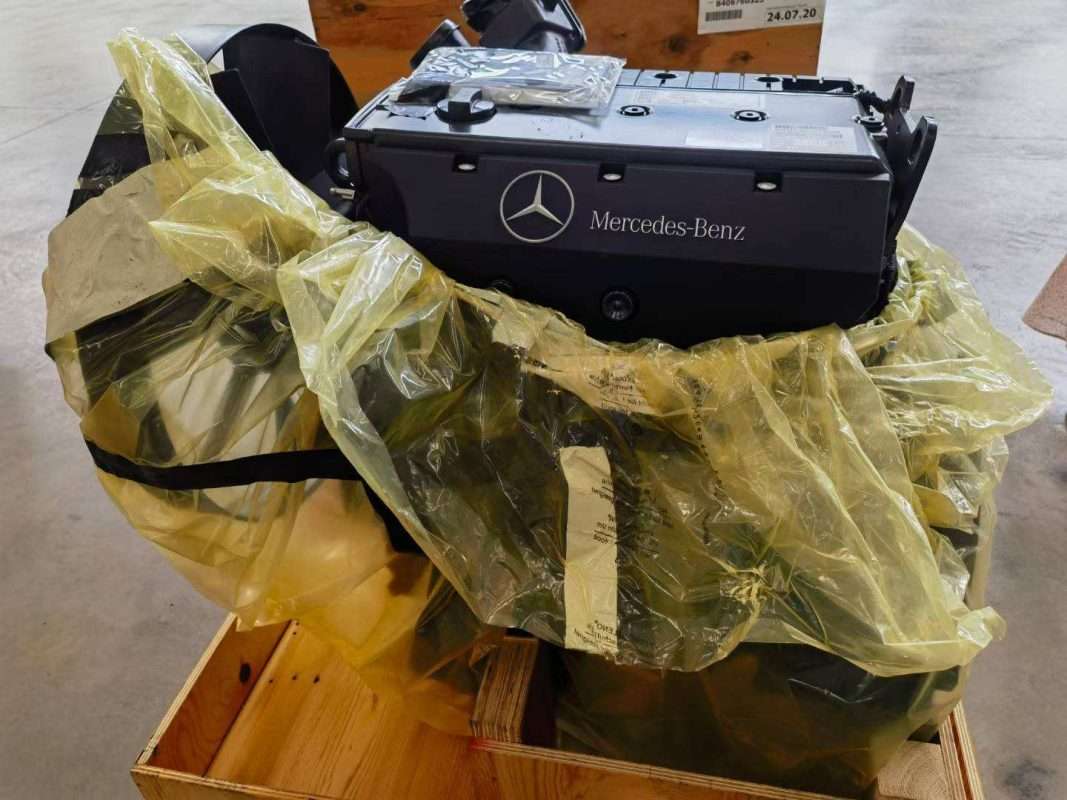
Benz OM471 Engine – Technical Overview, Systems, and Service Insights


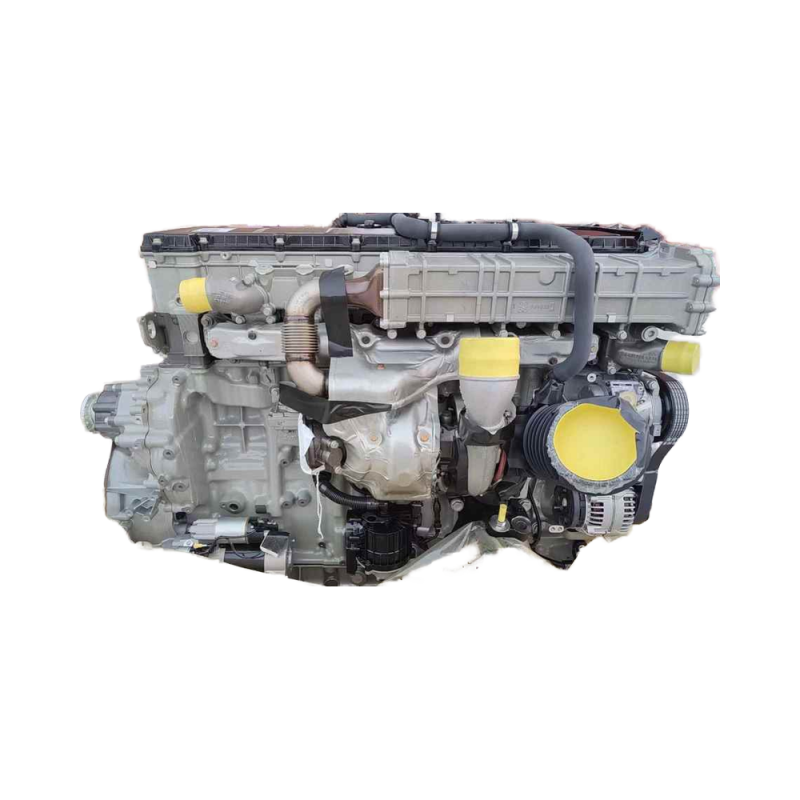
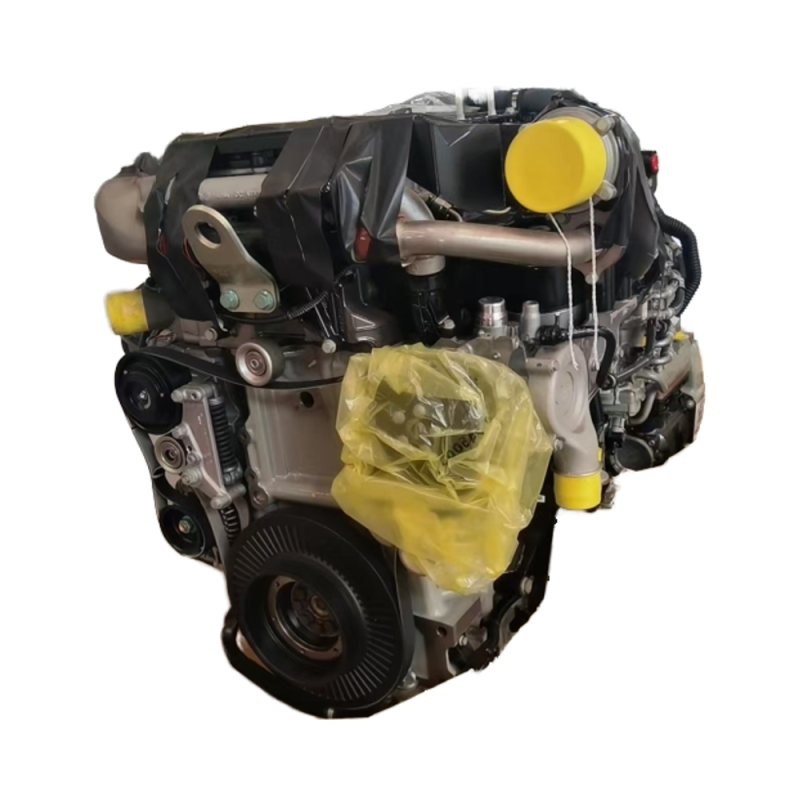
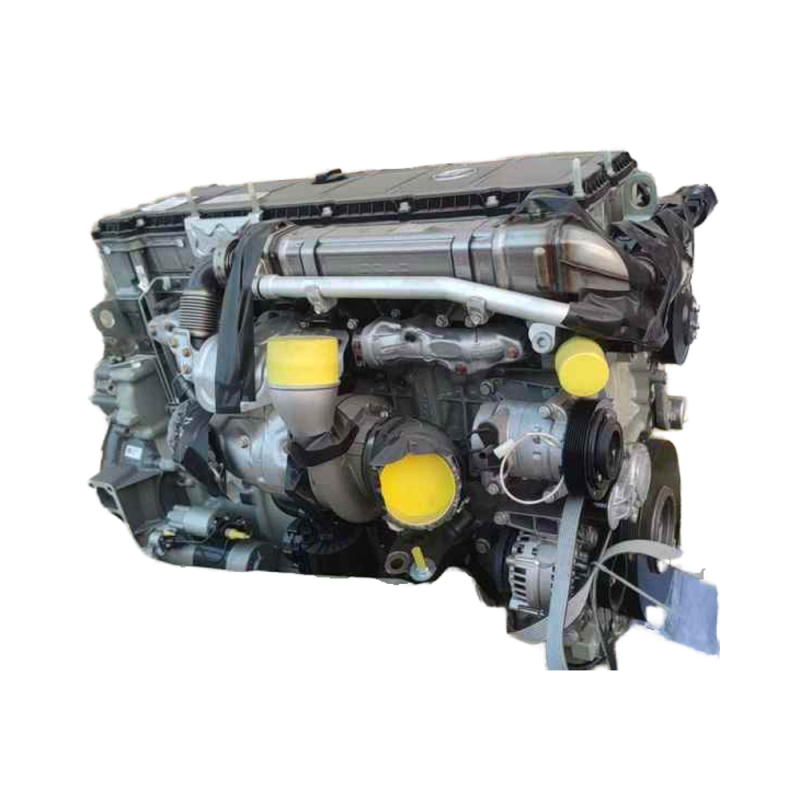
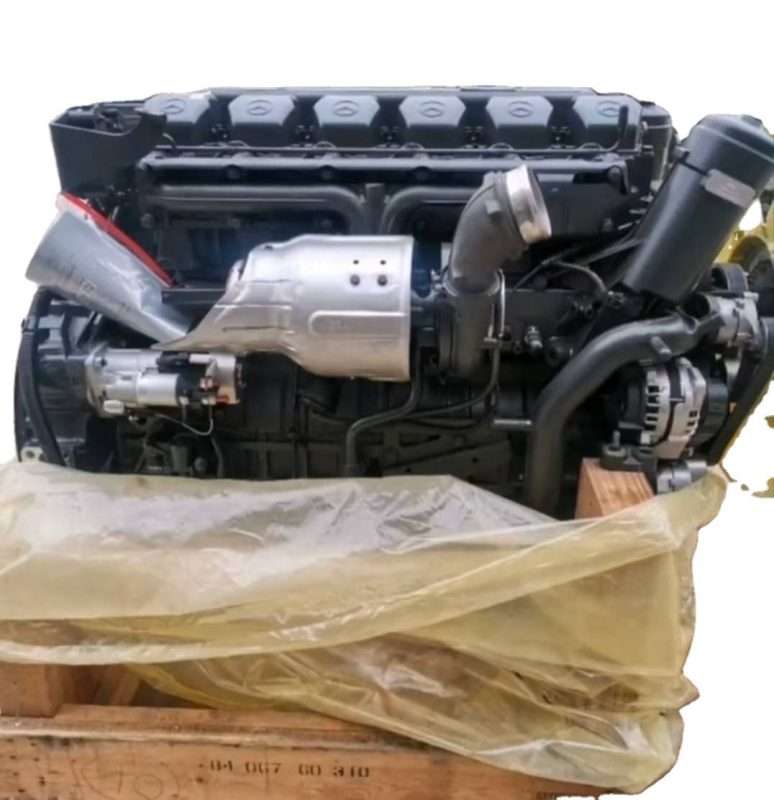
The Mercedes-Benz OM471 engine is a 12.8-liter inline-six heavy-duty diesel powerplant developed by Daimler under the BlueEfficiency Power program. It serves as the core engine for Actros, Arocs, Antos, and other Mercedes-Benz heavy commercial vehicles. Engineered for the Euro VI era, the OM471 combines mechanical robustness with advanced electronic management, achieving lower fuel consumption, cleaner emissions, and higher torque density compared with its predecessors (OM501 / OM502 series).
1. Engine Concept and Design
The OM471 is a straight-six, four-valve-per-cylinder engine with a displacement of 12.8 liters, a bore of 132 mm, and a stroke of 156 mm.
Power output ranges from 310 kW to 390 kW (421–530 hp), with torque between 2,100 Nm and 2,600 Nm, depending on calibration.
The engine block is a rigid cast-iron structure with replaceable wet liners for long-term rebuildability. The crankshaft is forged steel, supported by seven main bearings to ensure strength and smooth rotation under high loads.
An overhead camshaft operates four valves per cylinder via roller rocker arms, reducing friction and ensuring precise valve timing. The rear gear train drives the camshaft and auxiliary components, minimizing torsional vibration at the front and simplifying integration into cab-over vehicles.
The compression ratio is approximately 17.3 : 1, optimized for clean combustion and thermal efficiency. The pistons are made of aluminum with internal cooling galleries and low-friction coatings to withstand high cylinder pressures typical of modern Euro VI engines.
2. Fuel Injection – The X-Pulse System
The OM471 introduces Daimler’s X-Pulse common-rail injection technology, one of the most precise fuel systems in heavy-duty diesel engineering.
A high-pressure pump delivers fuel to a shared rail at around 900 bar, while each injector’s hydraulic amplifier increases pressure locally up to 2,700 bar at the moment of injection. This “pressure amplification” allows ultra-fine control of injection timing, rate, and duration.
The system supports multiple injection events per cycle — pilot, main, and post injection — enabling quiet combustion, smoother torque response, and reduced soot formation.
The ECU (Motor-Regelung) monitors crankshaft position, boost pressure, air mass, and temperature data to adjust each injector’s profile dynamically.
This innovation improves atomization and combustion efficiency, contributing up to 3 % lower fuel consumption and 20 % cleaner exhaust than earlier Mercedes heavy-duty engines.
3. Turbocharging and Air Handling
The OM471 uses a single-stage turbocharger with asymmetric turbine housing combined with Exhaust Gas Recirculation (EGR). The asymmetrical design channels exhaust from specific cylinders directly to the turbo, while others supply the EGR circuit, optimizing boost response and NOx control.
Boost pressure typically ranges from 1.7 to 2.4 bar. The compressed air is cooled by a front-mounted charge-air cooler before entering the intake manifold. The intercooling effect enhances air density and reduces combustion temperature, ensuring efficient power delivery under all conditions.
In high-power variants, adjustable turbocharger geometry (VGT) further improves transient response and braking efficiency when integrated with the engine brake system (High-Performance Engine Brake).
4. Exhaust After-Treatment System
To comply with Euro VI standards, the OM471 integrates a comprehensive after-treatment suite combining:
- EGR (Exhaust Gas Recirculation) – lowers in-cylinder NOx formation.
- DOC (Diesel Oxidation Catalyst) – converts CO and unburned hydrocarbons.
- DPF (Diesel Particulate Filter) – traps soot and regenerates automatically.
- SCR (Selective Catalytic Reduction) – injects AdBlue to reduce residual NOx.
All components operate under ECU coordination. Temperature and NOx sensors before and after the SCR monitor performance and trigger regeneration cycles when soot loading reaches a defined threshold. Regular DPF cleaning or replacement after approximately 450,000 km ensures low backpressure and emission stability.
5. Lubrication and Cooling Systems
The OM471 features a full-flow, pressurized lubrication system with a gear-driven oil pump, dual filters, and an integrated oil-to-water cooler.
Oil capacity is around 38 liters, and the recommended oil specification is MB 228.5 / 228.51, which supports long drain intervals and DPF compatibility.
Cooling is provided by a water pump and thermostat-regulated cross-flow radiator. The system maintains coolant between 80 °C and 95 °C, controlled by the ECU.
Coolant type must conform to MB 325.0, providing anti-corrosion and anti-cavitation protection for the liners and head gasket surfaces.
6. Electronic Control and Diagnostics
The engine management unit governs injection, EGR, turbo operation, and after-treatment functions. It communicates through CAN bus with the vehicle’s transmission, braking, and emission systems.
Key monitored parameters include:
fuel pressure, boost pressure, NOx concentration, exhaust temperature, coolant level, and DPF differential pressure.
Common diagnostic alerts encountered in field service are:
- AdBlue crystallization (SCR dosing malfunction),
- EGR valve or cooler blockage,
- DPF high backpressure,
- Boost control deviation due to actuator failure.
Periodic STAR Diagnosis scans during routine maintenance help identify these faults early and prevent derating.
7. Performance and Efficiency
The OM471 produces strong low-rpm torque, sustaining over 90 % of peak torque from 1,000 to 1,500 rpm.
Its specific fuel consumption reaches approximately 190–195 g/kWh, placing it among the most fuel-efficient Euro VI engines in its class.
Combustion noise is reduced by pilot injection and optimized piston bowl geometry. In long-haul applications, the OM471 achieves fuel savings of up to 4 % compared with Euro V predecessors, while maintaining identical output levels.
The integrated decompression engine brake delivers up to 400 kW of braking power, enhancing downhill safety and minimizing brake wear.
8. Maintenance and Service Recommendations
Under standard duty conditions, service intervals can reach 100,000 km with approved lubricants.
- Oil and filters: every 100,000 km (or annually).
- Fuel filters: every 60,000 km.
- Coolant replacement: every 2 years or 240,000 km.
- DPF cleaning: 450,000–500,000 km.
- Valve clearance check: every 300,000 km (hydraulic adjusters reduce need for frequent adjustment).
The SCR and AdBlue delivery systems should be inspected regularly for leaks or crystal deposits. Turbocharger and EGR components must be cleaned periodically to maintain efficiency and emission conformity.
9. Common Service Issues
Frequent operational problems include:
- EGR contamination leading to reduced flow and high NOx emissions.
- DPF clogging caused by short-trip operation or poor fuel quality.
- AdBlue injector blockage or frozen lines in cold climates.
- VGT actuator faults affecting boost response.
- Oil seepage around cam cover gaskets after extended mileage.
Most issues originate from maintenance neglect or contaminated fluids. Preventive inspection and timely fluid replacement eliminate the majority of these failures.
10. Durability and Overhaul
The OM471 is designed for over 1.2 million kilometers of service life before major overhaul.
In industrial or continuous-duty applications, it exceeds 25,000 operating hours.
During overhaul, liner wear limits are below 0.10 mm, and crankshaft journal ovality below 0.03 mm. All seals, bearings, and injectors must be renewed, and the X-Pulse system recalibrated. Proper re-commissioning includes oil priming and ECU adaptation reset to ensure balanced fuel delivery across cylinders.
Conclusion
The Mercedes-Benz OM471 engine exemplifies modern diesel engineering — blending mechanical endurance with electronic precision.
Its X-Pulse injection, optimized combustion, and EGR-SCR-DPF integration deliver class-leading torque, fuel economy, and emission control.
For fleet operators and technicians, adherence to Mercedes-Benz maintenance schedules, genuine-part usage, and diagnostic discipline ensures unmatched reliability and service life.
The OM471 remains a benchmark for heavy-duty diesel power worldwide — durable, efficient, and engineered for the toughest transport environments.
👉 For professional solutions regarding the Benz OM471 engine, spare parts, or technical support, visit jamiegz.com.