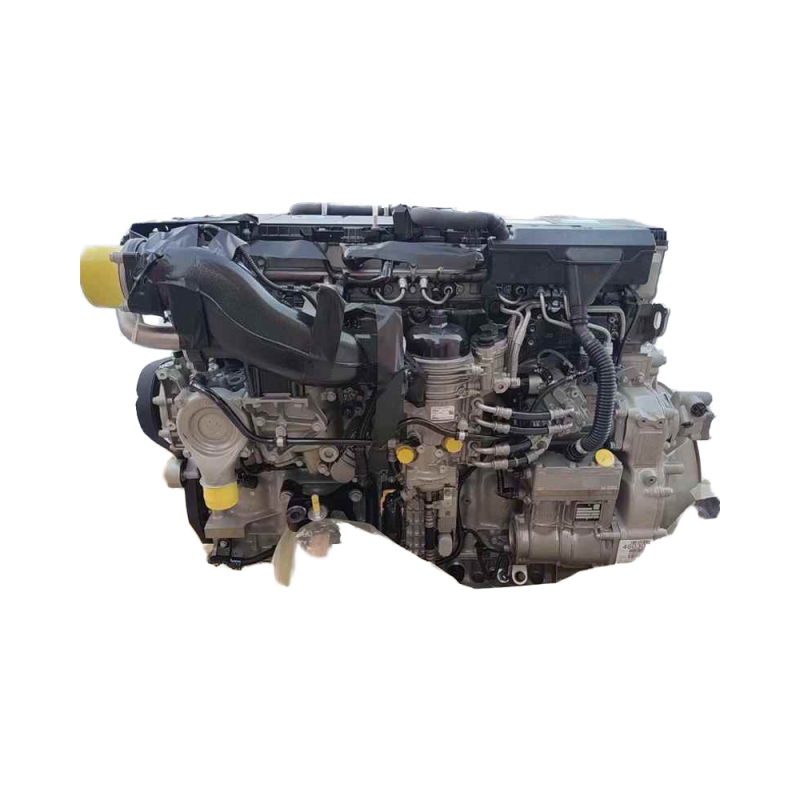
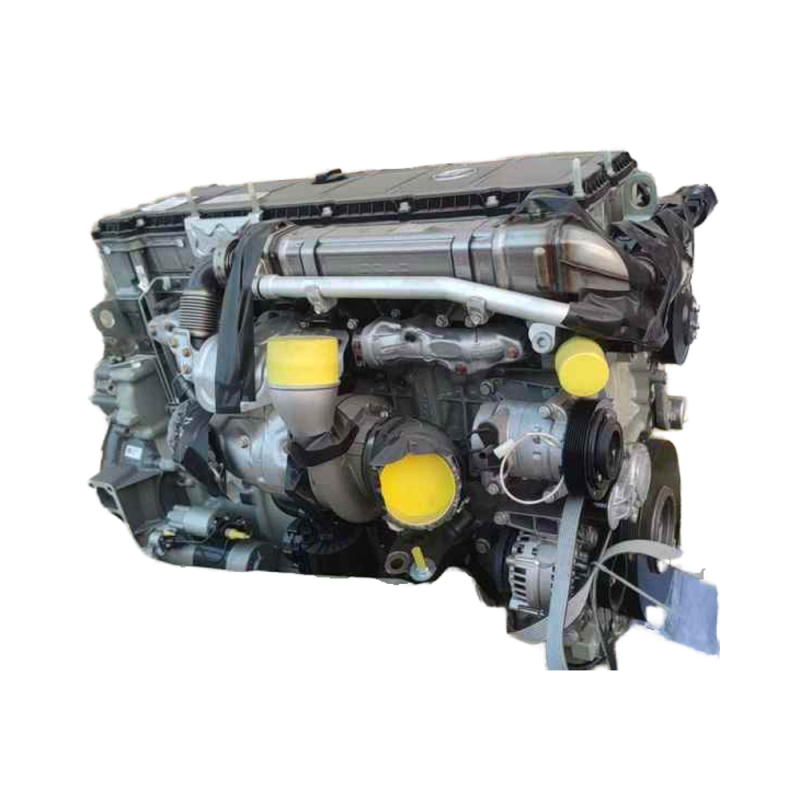
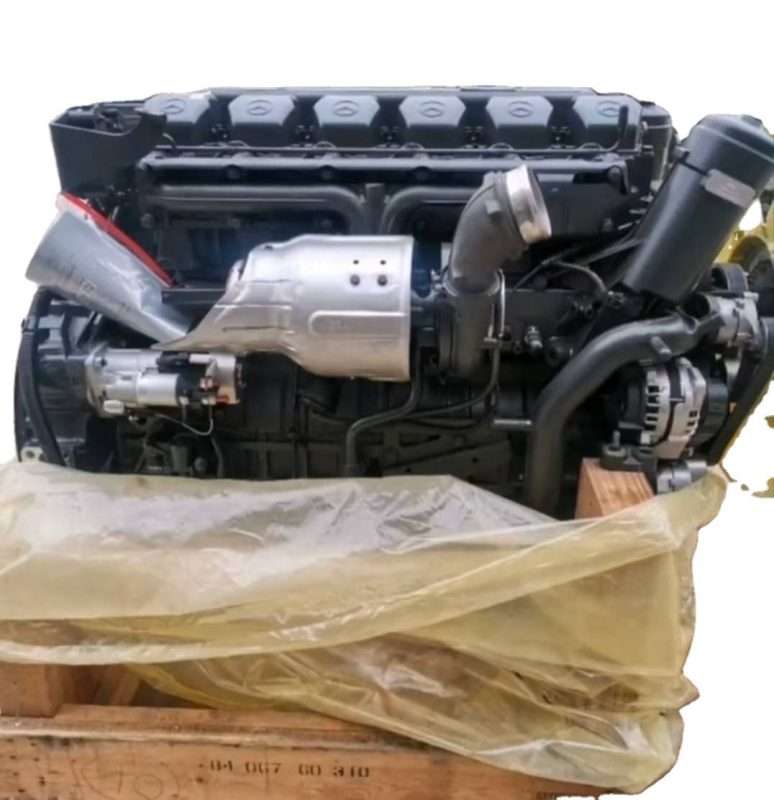
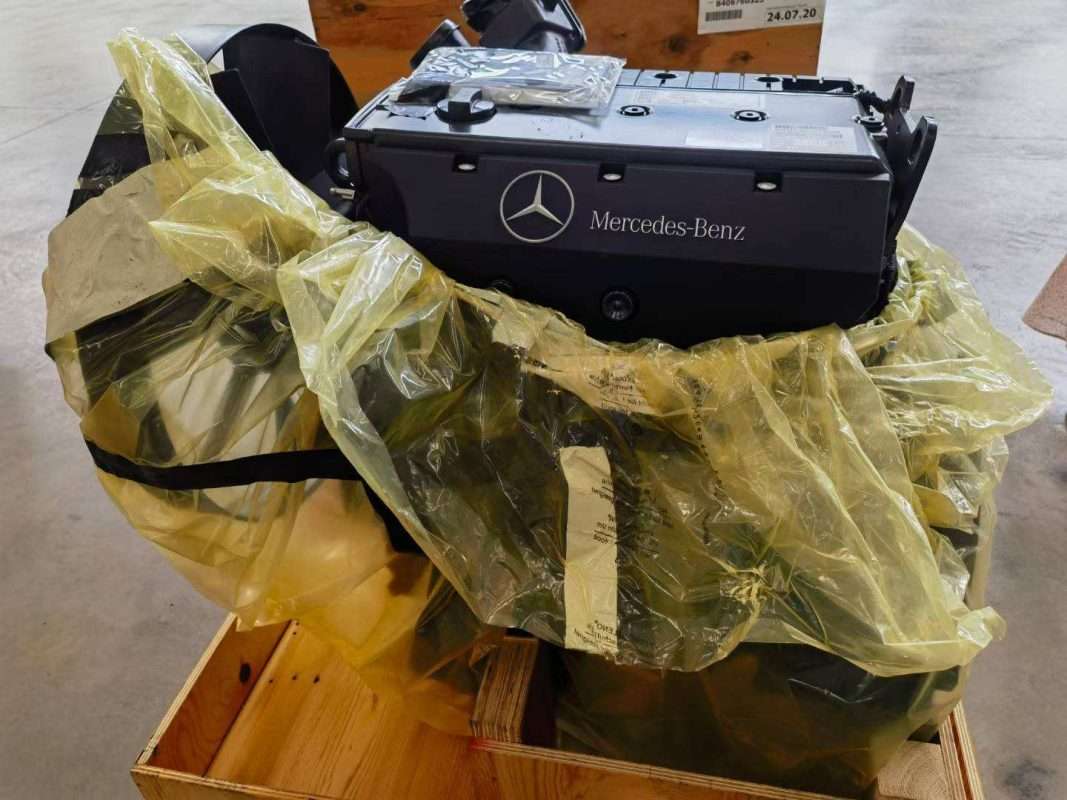
Benz OM473 Engine – Technical Overview, Design, and Service Guidelines

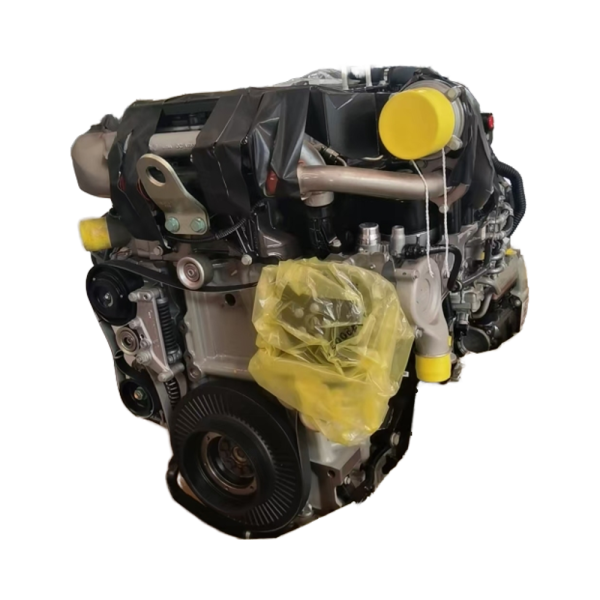
The Mercedes-Benz OM473 is the flagship heavy-duty diesel engine developed by Daimler for the most demanding commercial and industrial applications. With a displacement of 15.6 liters and advanced combustion technology, it represents the pinnacle of the BlueEfficiency Power generation, delivering high torque, low fuel consumption, and Euro VI emission compliance.
It powers Mercedes-Benz Actros SLT, Arocs 4163, and other extra-heavy transport trucks operating under continuous high-load conditions.
1. Engine Concept and Design
The OM473 is a straight-six, four-valve-per-cylinder diesel engine with a displacement of 15,600 cc. It is the largest in Daimler’s inline engine family, above the OM471 (12.8 L) and OM470 (10.7 L). The engine produces power between 380 and 460 kW (517–625 hp) and torque up to 3,000 Nm, depending on version and market calibration.
The block is a cast-iron monobloc with wet replaceable liners for easy serviceability. The forged-steel crankshaft runs on seven main bearings, ensuring high rigidity and balance.
The cylinder head is made from high-strength cast iron and houses four valves per cylinder, actuated by an overhead camshaft through roller rocker arms. The rear-mounted gear train drives the camshaft, oil pump, and high-pressure fuel pump, minimizing noise and vibration at the engine front.
The pistons are aluminum with reinforced crowns and oil cooling channels. The compression ratio of approximately 17.3:1 achieves optimal thermal efficiency and low soot formation. The OM473’s design allows extremely high cylinder pressures, exceeding 200 bar, providing superior torque under full load.
2. Fuel Injection System – The X-Pulse Advantage
The OM473 employs Daimler’s X-Pulse high-pressure common-rail injection system, similar to that used in the OM471 but optimized for greater flow and precision.
Fuel is pressurized in a common rail to about 900 bar, and each injector amplifies it hydraulically up to 2,700 bar directly before injection.
This allows extremely accurate control of injection quantity, timing, and multiple events per cycle (pilot, main, and post injection).
The ECU continuously adjusts these parameters based on operating conditions such as load, boost pressure, and exhaust temperature, ensuring smooth torque delivery and minimal emissions.
The X-Pulse system’s key benefit is the combination of flexibility and durability—it can deliver high injection pressure precisely when required, enhancing combustion efficiency and reducing fuel consumption by up to 3 % compared to previous-generation engines.
3. Air Handling and Turbocharging
The OM473 is equipped with two-stage turbocharging, a major difference from the OM471. A smaller high-pressure turbo works in series with a larger low-pressure unit, ensuring rapid boost buildup and constant airflow across the entire speed range.
Boost pressure can exceed 2.5 bar, with charge air cooled through a front-mounted intercooler before entering the intake manifold. The two-stage configuration provides exceptional transient response and high-altitude performance.
An Exhaust Gas Recirculation (EGR) system reduces NOx formation, while the turbo arrangement also supports the High-Performance Engine Brake (HPB) function, delivering braking power up to 475 kW—crucial for mountain transport and heavy haulage.
4. Emission Control and After-Treatment
To meet Euro VI and international emission standards, the OM473 integrates several systems working in sequence:
- EGR (Exhaust Gas Recirculation) – lowers NOx formation during combustion.
- DOC (Diesel Oxidation Catalyst) – converts CO and hydrocarbons into CO₂ and water.
- DPF (Diesel Particulate Filter) – traps soot particles, regenerating automatically at high exhaust temperature.
- SCR (Selective Catalytic Reduction) – injects AdBlue (urea) into the exhaust stream to neutralize NOx.
The ECU manages regeneration cycles and AdBlue dosing via real-time data from temperature, pressure, and NOx sensors. Regular DPF maintenance and proper AdBlue quality are vital to maintain backpressure levels and emission efficiency.
5. Lubrication and Cooling Systems
The OM473 uses a pressurized lubrication system with a gear-type oil pump, dual filters, and an integrated oil cooler. Oil capacity is approximately 45 liters, depending on configuration.
The oil circulates through cooling jets beneath each piston and across the crankshaft bearings, ensuring stable lubrication under sustained heavy loads. Mercedes-Benz specifies oil meeting MB 228.5 or 228.51 for long drain intervals and compatibility with the DPF system.
The cooling system uses a high-capacity centrifugal water pump and a thermostatically controlled circuit. The coolant operates between 80°C and 95°C. Proper use of antifreeze (MB 325.0) prevents corrosion, liner pitting, and scale buildup—common problems in high-output industrial engines.
6. Electronic Control and Diagnostics
The Motor-Regelung ECU controls fuel injection, turbo stages, EGR flow, and after-treatment operations. It communicates via CAN bus with transmission and chassis control modules.
Monitored parameters include:
- Fuel rail and amplification pressure
- Air mass, boost, and exhaust temperature
- DPF differential pressure
- NOx and AdBlue system performance
- Coolant and oil temperature
Diagnostic faults can be read through Mercedes STAR Diagnosis or any Euro VI-compatible diagnostic tool.
Typical field issues include AdBlue crystallization, DPF saturation due to low-temperature operation, and variable turbo actuator malfunctions. Preventive diagnostic checks at every service interval are essential to avoid derating or limp-mode conditions.
7. Performance and Operating Characteristics
The OM473’s hallmark is massive torque and high thermal efficiency. It sustains over 2,800 Nm from 900 rpm upward, enabling exceptional pulling power even at low speeds.
Specific fuel consumption is approximately 190 g/kWh, comparable to the most efficient large-displacement diesels in the industry.
The engine’s smoothness results from its inline-six geometry and optimized combustion chamber shape. Acoustic refinement is achieved through multiple injection phases and advanced damping mounts.
In long-haul operations, the OM473 achieves up to 5 % better fuel economy than the older V8 OM502LA, while delivering higher torque and significantly lower maintenance requirements.
8. Maintenance Schedule
Standard maintenance intervals depend on operation severity:
- Oil and filter replacement: every 100,000 km or 12 months.
- Fuel filters: every 60,000 km.
- Coolant renewal: every 2 years or 240,000 km.
- DPF cleaning: every 450,000–500,000 km.
- Valve clearance inspection: around 300,000 km (hydraulic tappets minimize need).
Regular inspection of the EGR cooler, turbocharger shafts, and AdBlue system is critical for reliability. Using genuine filters, lubricants, and AdBlue ensures long-term compliance with emission standards.
9. Common Service Issues
Typical problems encountered in the field include:
- EGR cooler fouling from soot and oil residue.
- DPF clogging due to interrupted regeneration cycles.
- AdBlue system crystallization causing SCR errors.
- Turbocharger wear from oil contamination or overheat cycles.
- Oil leaks around rocker covers or timing gear seals after long service hours.
Most issues are preventable through proper maintenance practices and high-quality consumables. Proactive fault diagnosis and scheduled regeneration prevent costly downtime.
10. Durability and Overhaul
The OM473 is designed for over 1.2 million kilometers of continuous operation before major overhaul.
In stationary or mining applications, it typically exceeds 25,000 operating hours.
During overhaul, cylinder wear limits are below 0.10 mm, crankpin ovality under 0.03 mm, and valve seat wear within 0.5 mm. All seals, bearings, and injectors must be renewed. Recommissioning requires oil priming and ECU recalibration to synchronize X-Pulse injection balance across cylinders.
Conclusion
The Mercedes-Benz OM473 engine represents the highest standard of heavy-duty diesel engineering — robust, efficient, and built for extreme endurance. Its two-stage turbocharging, X-Pulse injection, and integrated EGR–SCR–DPF system deliver unmatched torque, low emissions, and reliable performance under the toughest conditions.
For fleets and operators in construction, mining, and heavy haulage, consistent maintenance using OEM-grade fluids and diagnostics ensures the OM473 continues to perform beyond a million kilometers with minimal downtime.
The OM473 remains the benchmark for power, reliability, and engineering excellence in the modern heavy-duty diesel class.
👉 For professional solutions, spare parts, or technical support regarding the Benz OM473 engine, please visit jamiegz.com.