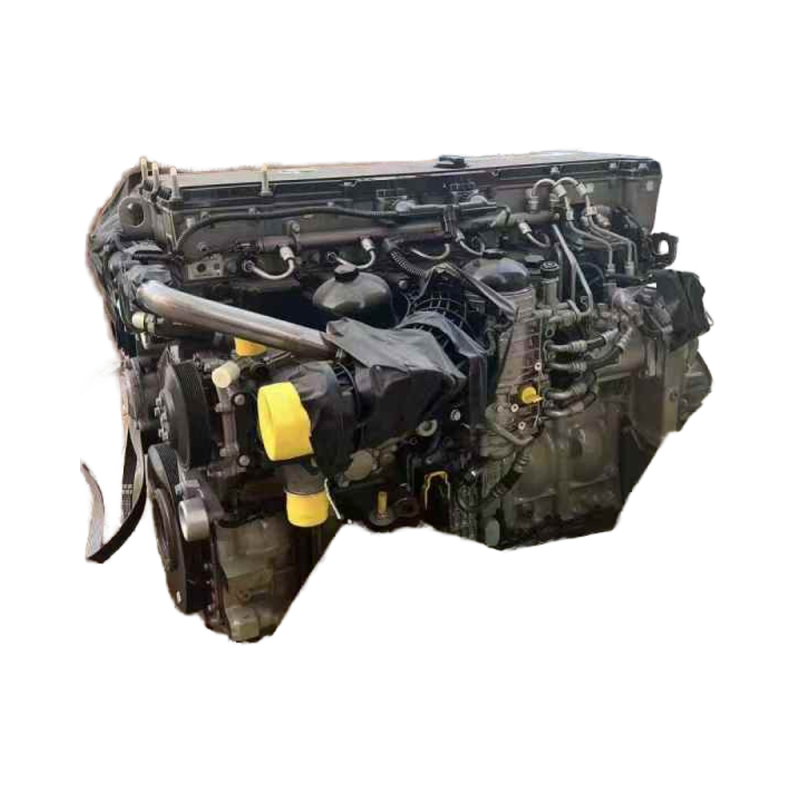
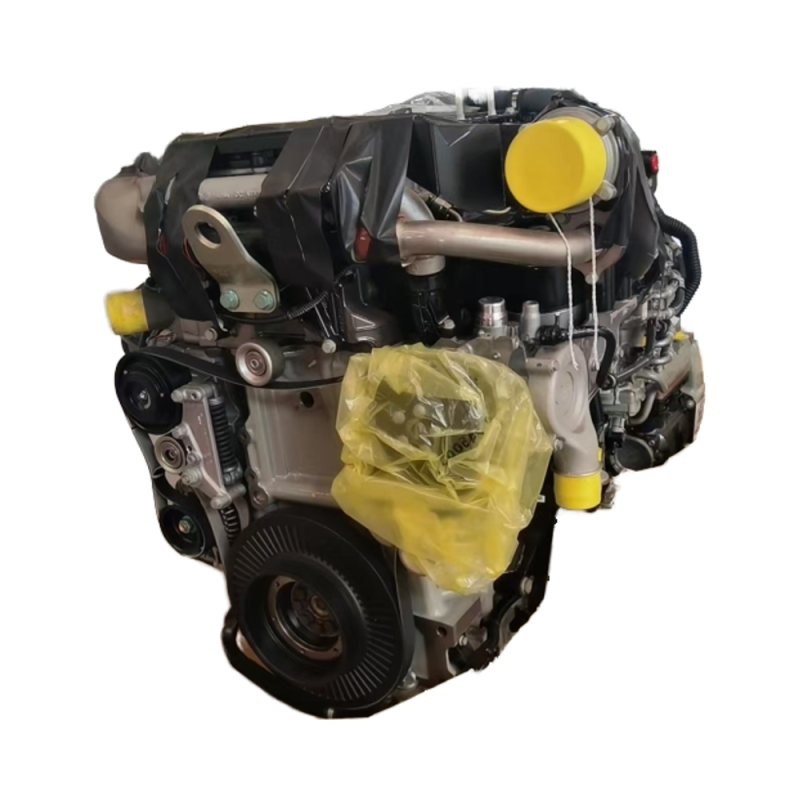
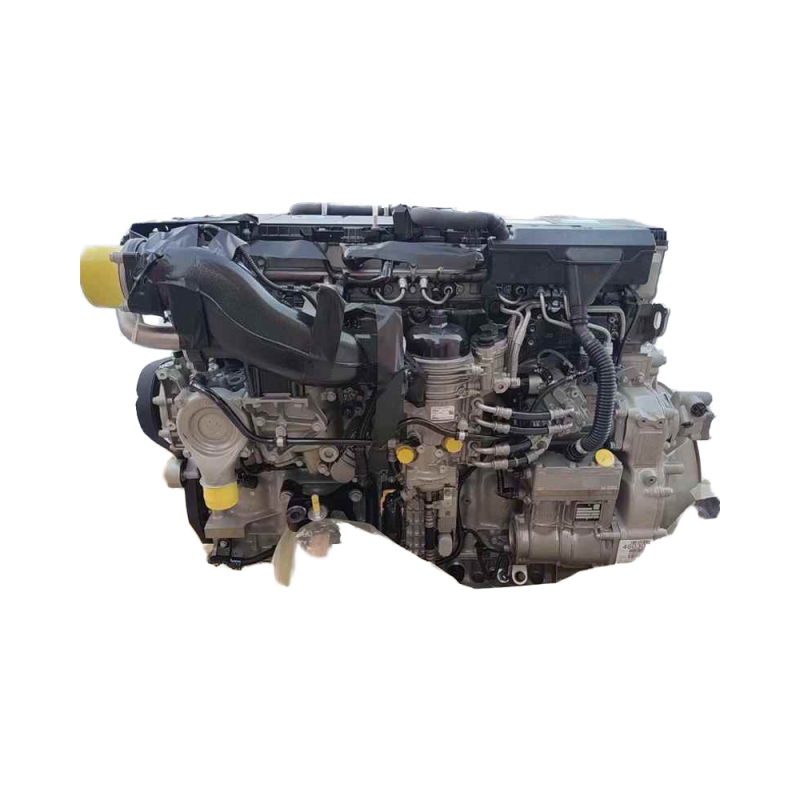
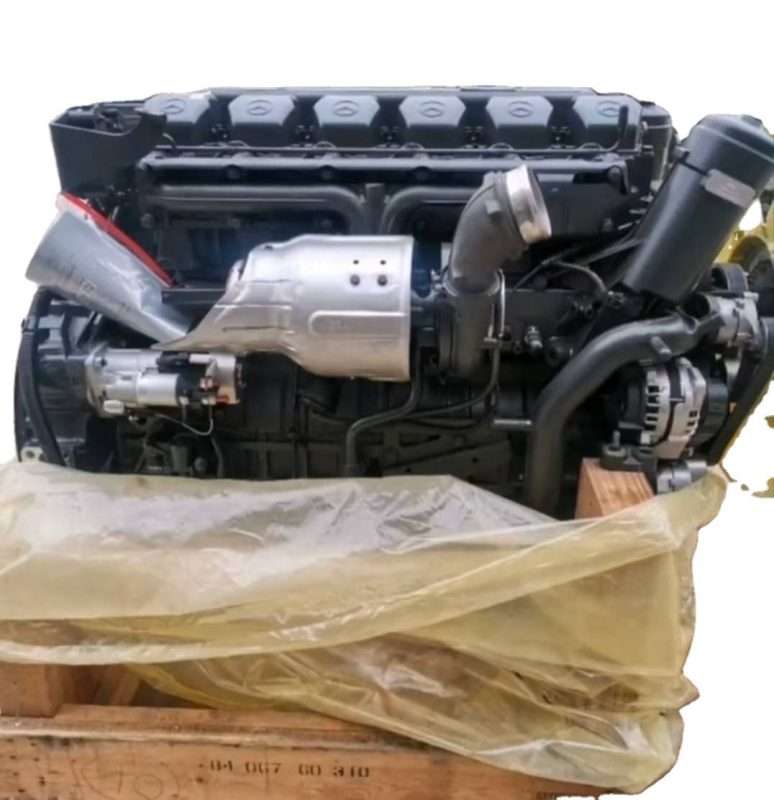
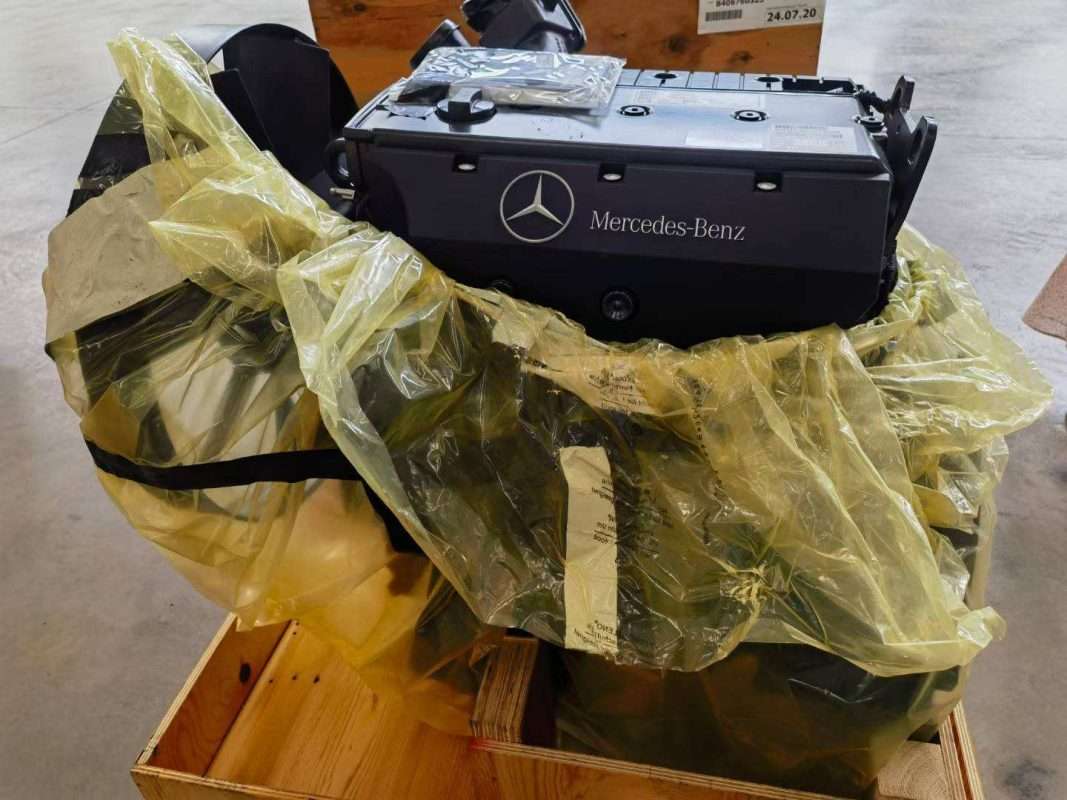
Benz OM470 Engine – Technical Overview, Design, and Maintenance Guide


The Mercedes-Benz OM470 engine is a 10.7-liter inline-six diesel power unit developed by Daimler for the Actros, Arocs, and Antos heavy-duty truck ranges. Introduced as part of the BlueEfficiency Power family, it represents the balance between the compact OM936 (7.7 L) and the high-output OM471 (12.8 L).
Designed for Euro VI emissions compliance, the OM470 combines advanced fuel injection, robust mechanical design, and intelligent electronic management for efficiency and long service life.
1. Engine Design and Architecture
The OM470 is a straight-six, 24-valve diesel engine featuring a displacement of 10.7 liters, achieved through a bore of 125 mm and a stroke of 145 mm. It delivers outputs from 240 kW to 335 kW (326–455 hp) and torque between 1,700 and 2,200 Nm, depending on calibration.
The block is a rigid cast-iron monobloc with wet cylinder liners, providing strength and easy overhaul capability. The crankshaft is forged steel, supported by seven main bearings. The inline-six configuration ensures natural balance, smooth operation, and reduced vibration without additional balance shafts.
The cylinder head is made of cast iron with four valves per cylinder, operated by an overhead camshaft via rocker arms. The camshaft is rear gear-driven, improving packaging and reducing front-end torsional vibration. The piston crowns are optimized for high swirl and efficient air-fuel mixing, while oil-cooling channels maintain thermal stability under continuous high load.
The compression ratio is around 17.6:1, ensuring high thermal efficiency and strong torque delivery. The engine’s dry weight is approximately 950 kg, depending on configuration.
2. Fuel Injection System
The OM470 introduces Daimler’s X-PULSE injection system, an advanced evolution of common-rail technology.
A high-pressure pump feeds the common rail up to 900 bar, while individual injectors amplify pressure hydraulically to 2,400 bar inside the injector body. This allows precise control of injection pressure, timing, and multiple events per cycle — pilot, main, and post injection — improving fuel economy and reducing combustion noise.
The electronic control unit (ECU) monitors operating conditions such as engine load, boost pressure, temperature, and emission levels. It continuously adjusts injection profiles to maintain optimal performance under all load conditions.
The result is cleaner combustion, smoother torque delivery, and up to 3 % lower fuel consumption compared to previous generation engines.
3. Air Management and Turbocharging
The OM470 employs a single-stage turbocharger with variable turbine geometry (VGT).
The VGT adjusts exhaust gas flow to the turbine blades, optimizing boost pressure and response at all engine speeds. Boost pressure typically ranges between 1.6 and 2.3 bar, depending on the engine map and load.
Compressed air passes through a charge-air cooler (intercooler) to reduce intake temperature and increase density. The combination of intercooling and VGT ensures high torque availability from low rpm and stable combustion even under transient acceleration.
An Exhaust Gas Recirculation (EGR) system is integrated for NOx control, routing a controlled portion of exhaust gases into the intake. The cooled EGR mixture lowers peak combustion temperature, reducing NOx formation before exhaust treatment.
4. Exhaust After-Treatment and Emission System
The OM470 fully complies with Euro VI emission standards through a combination of technologies:
- EGR (Exhaust Gas Recirculation) – reduces nitrogen oxide formation inside the cylinder.
- DOC (Diesel Oxidation Catalyst) – oxidizes hydrocarbons and CO.
- DPF (Diesel Particulate Filter) – captures soot and regenerates automatically during operation.
- SCR (Selective Catalytic Reduction) – injects AdBlue (urea) into the exhaust stream to neutralize remaining NOx.
The after-treatment system operates under ECU control, using temperature, differential pressure, and NOx sensors to manage regeneration and urea dosing. Regular regeneration is vital to maintain low backpressure and consistent power output.
5. Lubrication and Cooling System
The OM470 uses a fully pressurized lubrication system with a gear-driven oil pump, dual filters, and a thermostatically controlled oil cooler. Oil capacity is approximately 36 liters. High-quality engine oil meeting MB 228.5 or 228.51 specifications is required for durability and DPF compatibility.
Cooling is handled by a water pump and a cross-flow radiator with thermostatic control. The ECU monitors coolant temperature and can activate the viscous fan clutch or electric fan for optimal heat management. Proper coolant maintenance using MB 325.0 standard fluids is essential to prevent liner cavitation and corrosion.
6. Electronic Control and Diagnostics
The OM470’s ECU is part of the Motor-Regelung (MR) system, communicating with the truck’s CAN bus. It governs injection, boost, EGR, and exhaust after-treatment. Sensors monitor:
- Fuel rail pressure
- Air mass and manifold pressure
- Exhaust temperature and NOx levels
- Coolant and oil temperature
- Differential pressure across the DPF
Diagnostic data can be accessed via Mercedes STAR Diagnosis or any Euro VI-compliant OBD tool. Common fault areas include AdBlue crystallization, turbo actuator malfunction, or DPF overloading caused by incomplete regeneration. Preventive diagnostics at each service interval help avoid power derating or limp-mode conditions.
7. Performance and Efficiency
The OM470 achieves exceptional torque at low engine speed, maintaining over 90 % of peak torque from 1,000 to 1,600 rpm.
Fuel consumption can reach 193 g/kWh, making it one of the most efficient engines in its class. Engine noise is reduced through pilot injection control and balanced flywheel design.
Thanks to its optimized combustion and low internal friction, the OM470 delivers up to 10 % lower CO₂ emissions than previous Euro V engines while extending oil-change intervals and service life.
8. Maintenance and Service
Recommended service intervals depend on duty cycle:
- Engine oil and filter: every 100,000 km (or 1,000 hours) under standard load.
- Fuel filters: every 60,000 km.
- Coolant: every 2 years or 240,000 km.
- DPF cleaning: typically after 450,000 km, depending on operation.
- Valve clearance check: around 300,000 km (hydraulic adjusters require minimal intervention).
The SCR system and AdBlue lines must be inspected regularly for crystallization and leakage. Turbocharger and EGR components should be cleaned or replaced as needed. Following OEM maintenance intervals is essential for emission compliance and to prevent derate conditions.
9. Common Operational Issues
Common faults observed in field use include:
- EGR cooler blockage from soot accumulation
- AdBlue injector crystallization leading to SCR efficiency codes
- DPF clogging due to incomplete regeneration during light-load operation
- VGT actuator faults affecting boost control
- Minor oil leaks from rocker covers or seals
These issues are mostly related to poor-quality fluids or neglected service intervals. Regular system diagnostics and periodic forced regeneration ensure long-term reliability.
10. Longevity and Overhaul
The OM470 is engineered for over one million kilometers of service life. In industrial or stationary applications, it typically exceeds 25,000 operating hours before overhaul.
During rebuild, critical measurements include cylinder liner wear below 0.10 mm, crankpin ovality under 0.03 mm, and correct piston ring end gap. All gaskets, bearings, and seals must be renewed, and injectors recalibrated to maintain X-Pulse accuracy.
Conclusion
The Mercedes-Benz OM470 represents the technical core of Daimler’s Euro VI diesel lineup — efficient, powerful, and durable. Its advanced X-Pulse injection, VGT turbocharging, and integrated EGR–SCR system deliver strong torque, excellent fuel economy, and clean exhaust.
For fleet operators and engineers, proper diagnostics, correct fluids, and adherence to service intervals are the foundation for maximizing uptime and engine longevity.
When maintained to specification, the OM470 remains one of the most reliable heavy-duty diesel engines in the global market — a benchmark for modern commercial vehicle powertrains.
👉 For Mercedes-Benz OM470 engine, spare parts or technical support, please visit jamiegz.com for professional solutions.