Basic structure of an engine


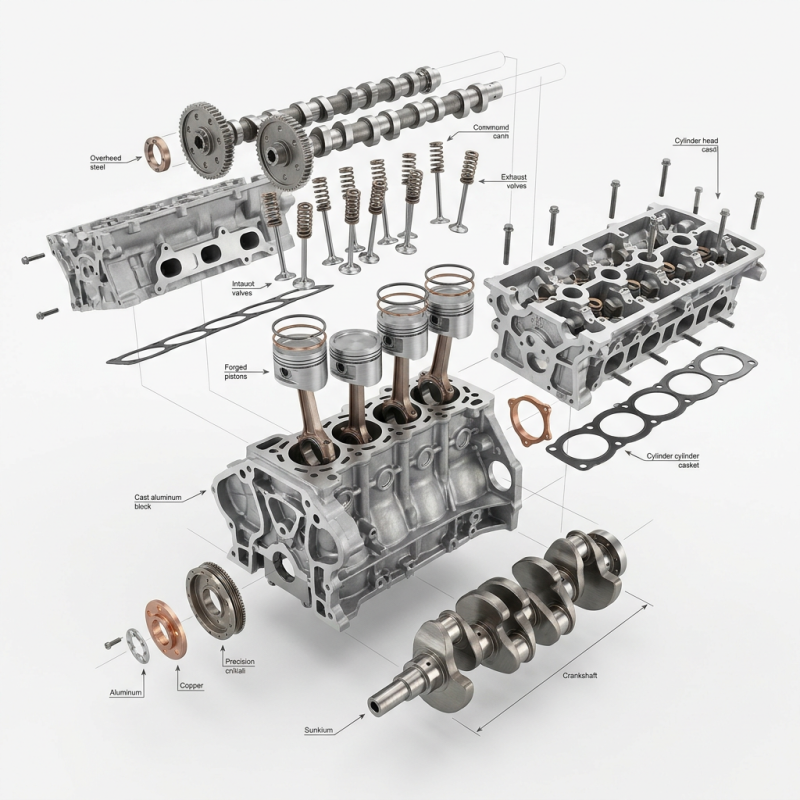
From an engineering design perspective, an internal combustion engine can be viewed as an extremely precise combination of a thermodynamic pressure vessel and a variable-voltage transmission mechanism. To maintain structural stability during thousands of violent explosions per minute, the engine’s structure is typically divided into fixed engine block components, reciprocating motion mechanisms, and four major auxiliary systems.
Core Engine Block Structure: The Engine’s “Skeleton”
The engine block components constitute the physical carrier of the engine, with the cylinder block at its core. For high-strength industrial engines, the cylinder block is typically made of high-rigidity gray cast iron in a single piece, with precisely machined cylinder bores and water jackets and oil passages for fluid exchange. Above the cylinder block is the cylinder head, which not only seals the upper part of the combustion chamber but also integrates complex valve train passages and injector mounting holes. An absolute seal is achieved between the cylinder head and the cylinder block using a cylinder head gasket to withstand the immense pressure generated during an explosion. At the very bottom of the engine is the oil pan, which acts as an energy storage tank, storing circulating lubricating oil and also serving a cooling function.
Crankshaft and Connecting Rod Mechanism: The “Heart” of Kinetic Energy Conversion
This is the physical core that converts the chemical energy of fuel into mechanical rotational torque, primarily composed of a piston, connecting rod, and crankshaft. The piston directly bears the combustion gas pressure within the cylinder and transmits it to the connecting rod; the connecting rod acts as a lever, converting the piston’s linear reciprocating motion into the crankshaft’s rotational motion. To counteract the reciprocating inertial forces under high-speed operation, the crankshaft is typically cast with precision counterweights. For industrial heavy-duty engines, pistons are usually made of aluminum alloy with internal oil cooling chambers, while the connecting rod and crankshaft must be forged from alloy steel to ensure that metal fatigue fracture does not occur under prolonged full-load conditions.
Valve Train and Fuel System: Precise “Breathing and Energy Supply”
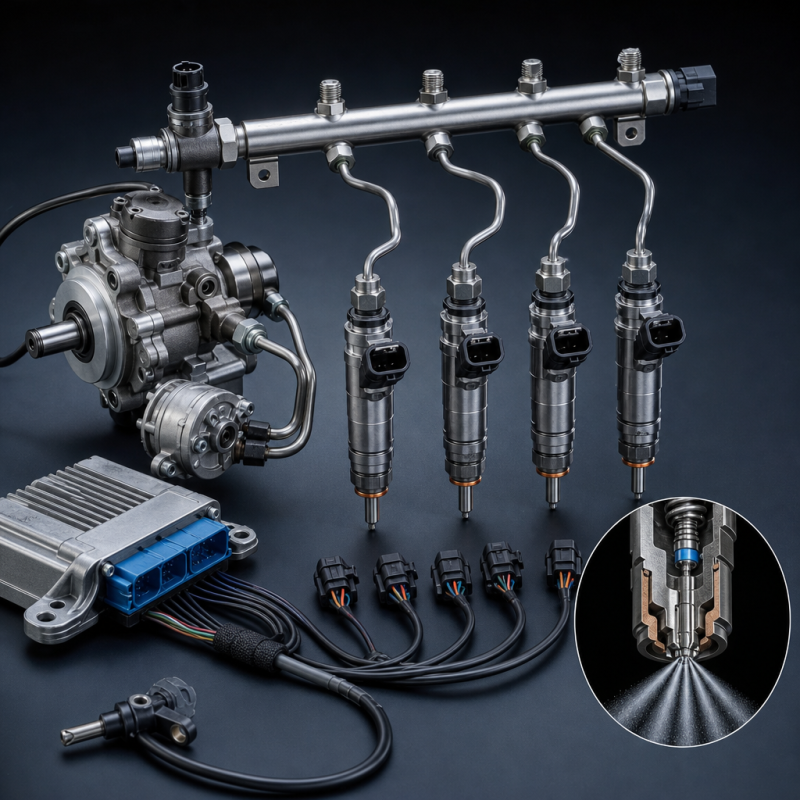
The valve train determines the engine’s charging efficiency, and its core is the camshaft. The camshaft rotates synchronously with the crankshaft via gears or belts, opening the intake and exhaust valves at precise times. This mechanical synchronization ensures absolute phase consistency between “breathing” and “power.” Simultaneously, the fuel system (primarily the injection pump and injectors for diesel engines) needs to inject fuel into the cylinder at a pressure of hundreds or even thousands of bar at the very end of compression. Modern electronically controlled engines (such as the Perkins 400F series) precisely control the injection quantity and timing via solenoid valves, ensuring that every drop of fuel participates in combustion under optimal physical conditions, thereby increasing power output while reducing emissions.
Note: When evaluating engine structural strength, the compression ratio is a key indicator. Because diesel engines use compression ignition, their structural design must support compression ratios of 16:1 or even higher, meaning that the wall thickness and bolt strength of their engine components are typically much greater than those of gasoline engines of the same displacement.
jianming Mahindra