Analysis of Causes and Emergency Response for Diesel Engine Runaway


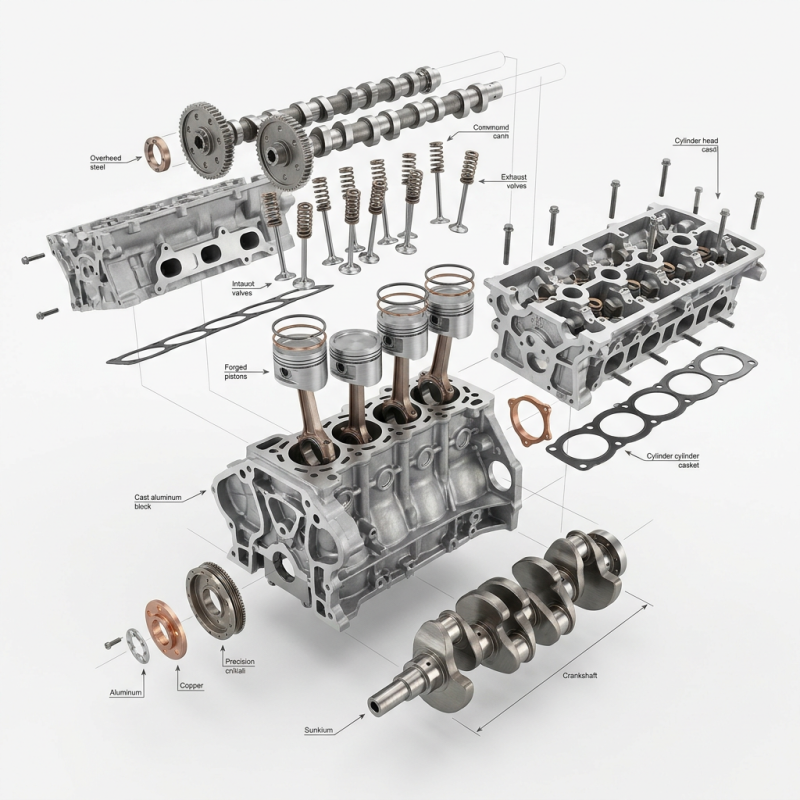
Diesel engine runaway—commonly known in the industry as “engine racing” or “flying”—refers to a hazardous condition where engine speed surges uncontrollably beyond the governor’s regulation and cannot be stopped via standard shutdown procedures. The fundamental mechanism involves the combustion chamber receiving a secondary fuel source independent of the governing system, or a failure of the governing and fuel supply mechanisms to control fuel delivery. Unlike gasoline engines, diesel engines lack a throttle to restrict air intake and have no ignition system to cut off; engine speed is determined solely by the fuel injection quantity. Consequently, when an additional combustible medium enters the intake or combustion chamber, the engine burns this extra fuel on top of the metered injection, causing speed to spiral out of control and exceed rated limits. This condition is extremely dangerous because the rapid rise in speed causes reciprocating inertial forces to increase with the square of the rotational speed. The dynamic loads on pistons, connecting rods, and crankshafts quickly surpass design limits, leading to catastrophic failures such as connecting rods breaking and punching through the engine block, or collisions between valves and pistons; it also creates a fire risk from oil splashing onto high-temperature components.
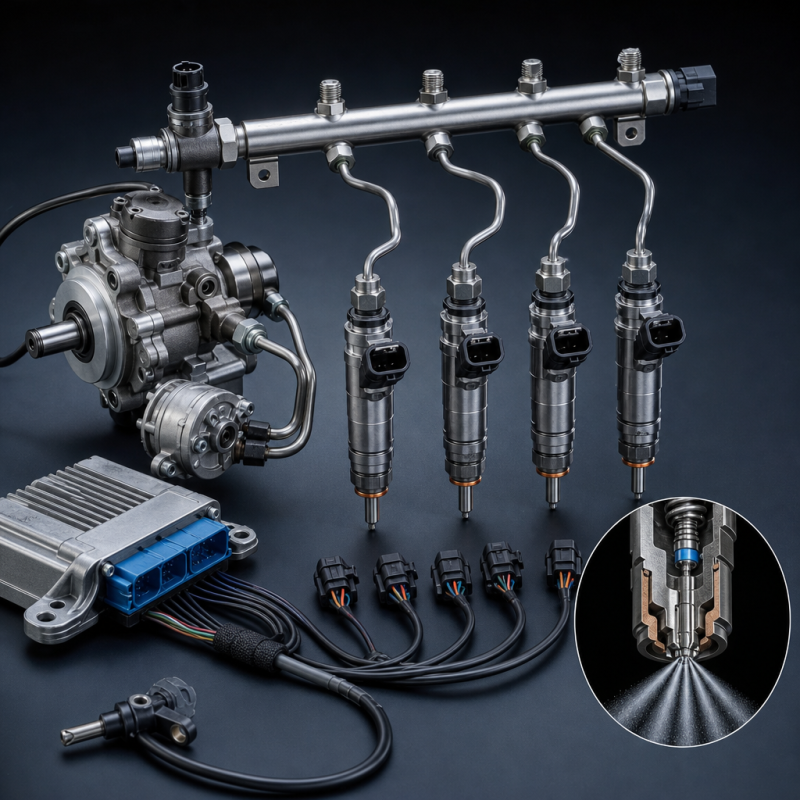
When investigating the causes of runaway, two primary root sources are identified: abnormal fuel sources and fuel supply mechanism failures; both require separate diagnostic assessment. A classic example of an abnormal fuel source is the failure of the turbocharger’s floating bearing oil seal; when bearing wear compromises the seal, pressurized oil leaks from the center housing into the compressor or turbine sections and is drawn into the cylinders to burn as fuel. Failure of the closed crankcase ventilation system is equally hazardous; if the oil-air separator clogs or lines are connected incorrectly, accumulated crankcase oil vapors are continuously drawn into the intake tract, resulting in uncontrolled oil combustion. Additionally, oil accumulated within the intercooler—due to long-term buildup or the condensation of crankcase blow-by gases—can be ingested into the cylinders in large quantities under specific operating conditions, thereby triggering a runaway event. Furthermore, in dual-fuel engines, gas leakage into the intake manifold or abnormal combustion caused by accidental gasoline contamination—which alters fuel properties—can also lead to a runaway engine condition. Regarding the fuel supply mechanism, faults such as a mechanical fuel injection pump’s control rack sticking at the maximum fuel delivery position, governor flyweights shattering, governor springs breaking, or linkage disconnections can render the governor’s speed regulation completely ineffective; consequently, fuel injection remains at the maximum level and fails to decrease as engine speed rises.
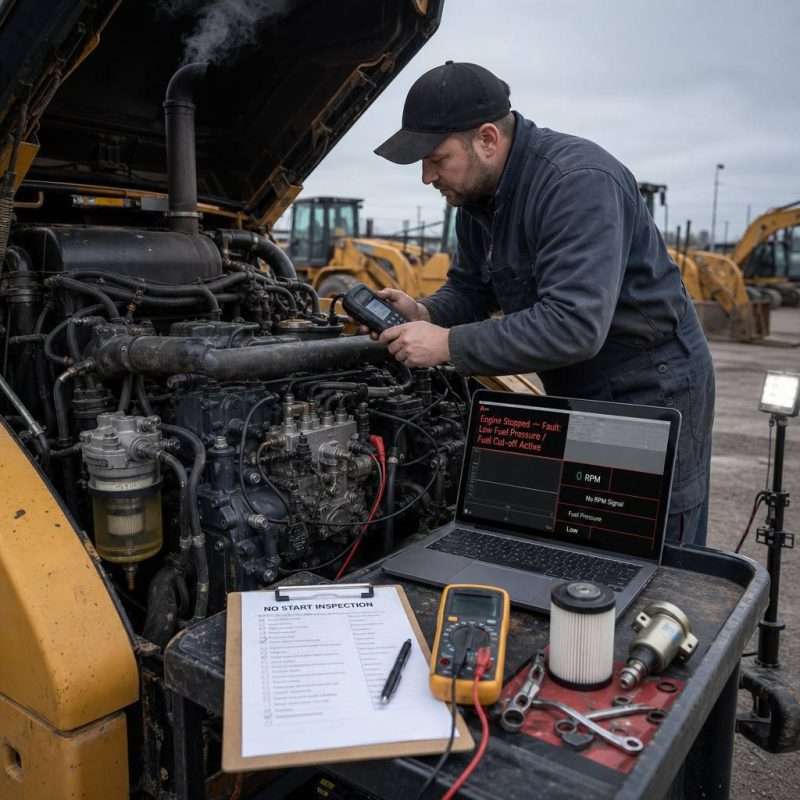
Regarding emergency response after a runaway event occurs, the correct sequence of actions determines whether damage can be kept within repairable limits. The most critical principle is to cut off the air intake rather than relying on cutting off electrical power to stop the engine. Diesel engines do not rely on electricity to run; turning off the ignition switch or disconnecting the battery merely cuts power to the instruments without stopping fuel injection or combustion. Therefore, in the early stages of a runaway event, immediate measures must be taken to cut off the air supply: completely seal the air intake with a thick plate, wooden board, or heavy fabric, or discharge a CO2 fire extinguisher into the intake to displace oxygen. Simultaneously, forcefully blocking the crankcase ventilation hose and intake lines can starve the combustion chamber of oxygen, causing the engine to stall. For engines equipped with a decompression mechanism, operating the decompression lever opens the exhaust valves early to release compression and stop the engine. For mobile equipment, another effective method is to engage the highest gear and apply the brakes, using the drivetrain’s high resistance to force the engine to a halt; however, this carries a risk of damaging the drivetrain and should be considered a backup option when cutting off the air intake is not feasible. Preventive measures include regularly checking the mobility of the governor and fuel injection pump control rack, inspecting the turbocharger for axial end play and seal integrity, maintaining the closed crankcase ventilation system, periodically cleaning accumulated oil from the intercooler, and strictly preventing accidental gasoline contamination. Understanding the dual causes of diesel engine runaway and the response logic of “prioritizing air cutoff while supplementing with fuel cutoff” is a crucial technical skill for ensuring safe equipment operation and preventing catastrophic accidents.
jianming machinery