An In-Depth Analysis of the Pros and Cons of Scania Engines


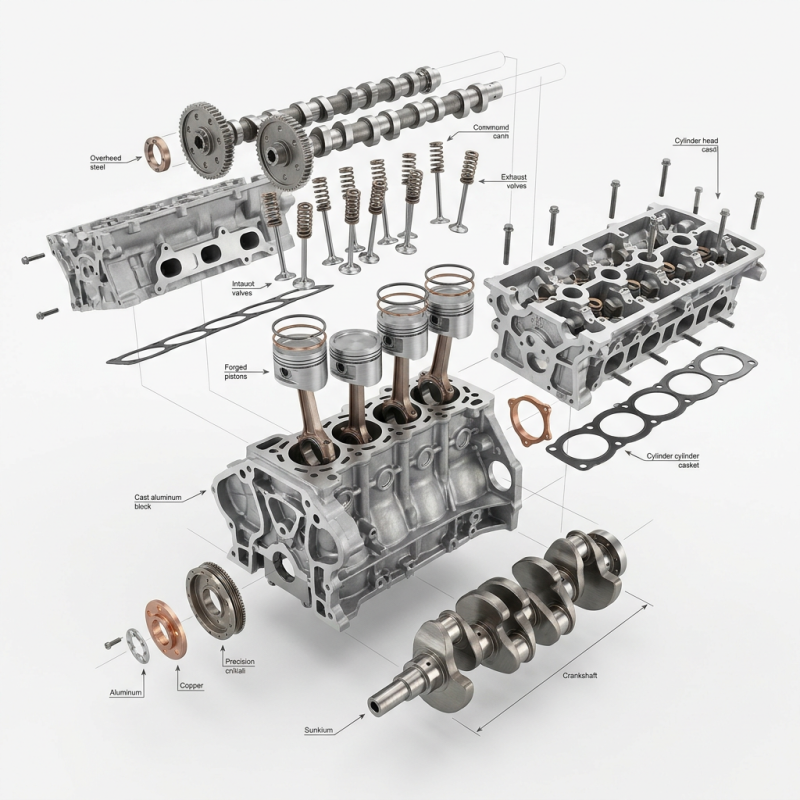
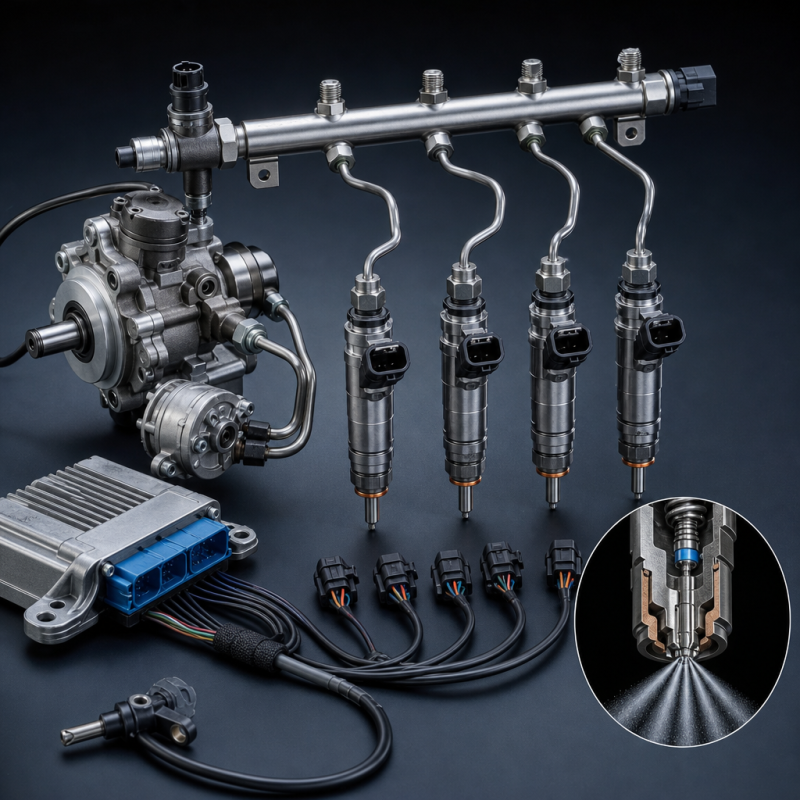
Scania engines are widely recognized as the benchmark of European power engineering in the sectors of heavy-duty commercial vehicles, industrial power, and marine propulsion. Their design philosophy differs significantly from industrial engines—such as those from Caterpillar—that prioritize extreme heavy-load capacity and raw power output; instead, Scania focuses on striking a perfect balance between exceptional fuel efficiency, extraordinary mechanical longevity, and highly modular system engineering, earning its reputation as the “king of power” in global high-efficiency logistics and long-haul heavy transport. In terms of core competitiveness, Scania engines demonstrate near-perfect mastery of thermodynamics and tribology. Their signature combustion theory—combining low-speed, high-torque operation with the highly advanced XPI ultra-high-pressure common-rail injection system—enables optimal fuel spray quality and combustion wavefront propagation speeds across an exceptionally wide RPM range. This not only delivers superb power response but also establishes a fuel-economy benchmark that competitors struggle to match under real-world long-haul heavy-duty operating conditions. Underpinning this performance is Scania’s highly modular manufacturing system; by sharing a vast proportion of components—such as pistons, connecting rods, cylinder heads, and valve assemblies—across its engine families, Scania not only alleviates the logistical burden of global parts inventory but also ensures—through standardized, high-precision automated manufacturing—that every engine maintains remarkable consistency over a service life spanning a million kilometers. This almost obsessive pursuit of quality stability ensures that equipment powered by these engines retains exceptionally high residual value in the used-equipment market.
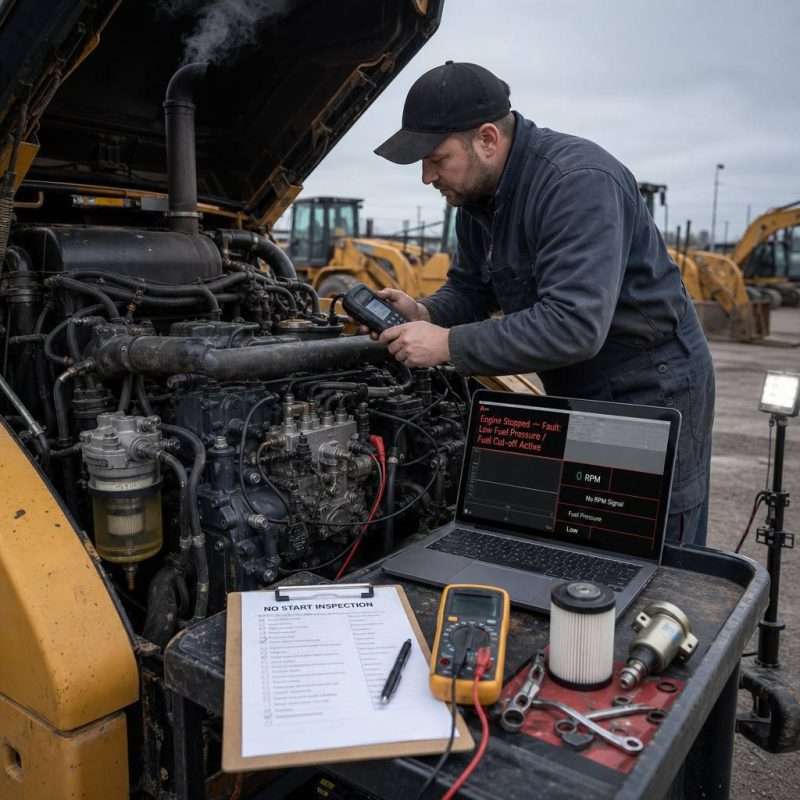
However, a powertrain system rooted in high-end precision manufacturing and deep electronic integration also presents end-users with a challenging barrier to entry regarding maintenance and operation—particularly when meeting increasingly stringent Euro VI and higher emission standards, as Scania employs a highly integrated, closed-loop system linking engine control logic with after-treatment purification systems. Scania regards this electronic architecture as a core asset and keeps its underlying protocols largely closed to the third-party market; consequently, once a vehicle operates outside the officially authorized, precision diagnostic environment, users find it nearly impossible to perform in-depth troubleshooting or parameter adjustments using standard, independent repair methods. While this high level of dependence on the manufacturer’s after-sales network ensures quality in regions with dense service coverage—such as Scandinavia—it can lead to prolonged downtime and financial loss in remote areas, mining sites, or construction zones lacking dedicated Scania service points, where even a minor sensor communication fault might otherwise be easily resolved. Furthermore, Scania’s after-treatment system is extremely sensitive to fuel purity; when using low-quality fuel with high sulfur or ash content, the sophisticated logic governing the synergistic regeneration of the SCR and DPF systems is highly prone to crystallization or catalyst poisoning. Such stringent requirements regarding the operating environment mean the engine struggles to adapt to “rough-and-tumble” operational modes. In summary, the Scania engine is essentially a precision industrial instrument fine-tuned through advanced mathematical modeling and high-end materials science. For large logistics operators possessing mature fleet management capabilities, clearly defined routes, and a strong focus on total lifecycle operating costs, it represents the optimal powertrain solution for reducing costs and enhancing efficiency. However, for users facing harsh operating environments, lacking professional maintenance infrastructure, or demanding an extremely short payback period on initial investment, Scania’s highly closed and premium-priced powertrain ecosystem may present unavoidable cost constraints and significant barriers to maintenance.
jianming machinery