Differences between multi-stroke engines


From the perspective of engineering thermodynamics and the essence of mechanical motion, the multi-stroke division of an engine (i.e., the most common four-stroke and two-stroke cycles) describes the difference in the cycle time it takes for the crankshaft to complete one full power output cycle. These two cycles have fundamental physical differences in energy density, thermodynamic efficiency, and mechanical complexity.
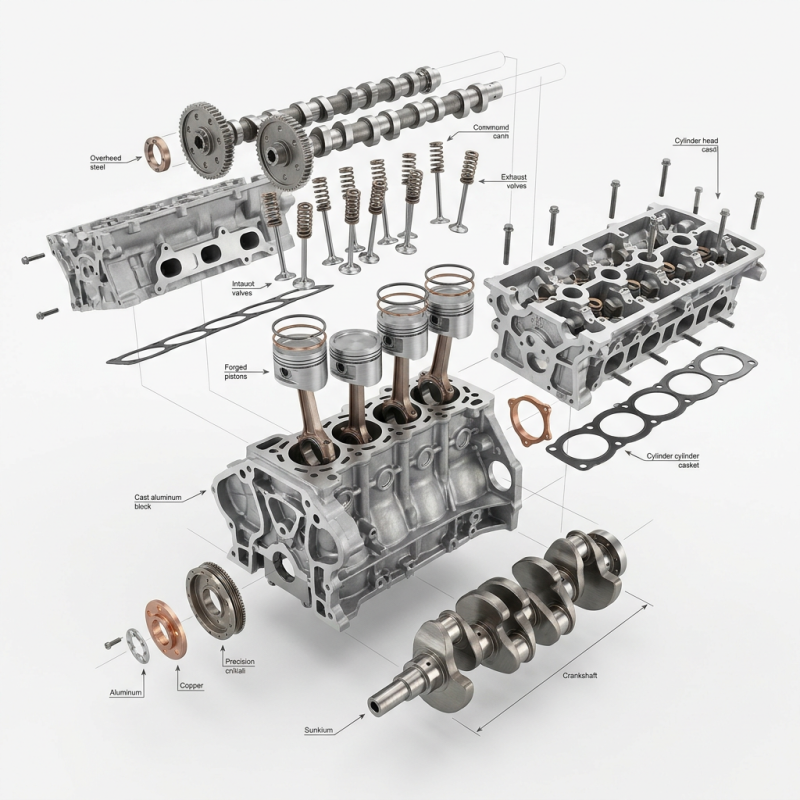
The four-stroke cycle (intake, compression, power, exhaust) is the mainstream of modern industrial power. Its physical logic lies in completely independently allocating these four physical processes to two revolutions (720°) of the crankshaft, strictly controlled by the valve train (camshaft and valves). In a four-stroke cycle, each cylinder only experiences one power stroke within two revolutions of the crankshaft. The core engineering advantage of this design lies in its extremely high thermodynamic precision: because the four physical stages of intake, compression, combustion, power, and exhaust are completely isolated on the time axis, the engine can easily optimize each stage, for example, pursuing charging efficiency in the intake stroke, achieving complete combustion in the power stroke, and thoroughly removing residual exhaust gases in the exhaust stroke. This extremely high degree of process separation results in smoother operation, better fuel economy, and lower emissions. This is why, in both diesel and gasoline engines, four-stroke engines are the only choice for long-distance transportation, construction machinery, and other applications with extremely high energy efficiency requirements.
The two-stroke cycle (compression and power, exhaust and intake) pursues an extreme energy density. In a two-stroke design, a complete power cycle is completed in one revolution of the crankshaft (360°), meaning power is done with every revolution. Its ingenious physics lies in utilizing the reciprocating motion of the piston to perform multiple functions simultaneously: when the piston moves upward, it compresses the air above the cylinder while simultaneously creating a vacuum in the crankcase at the bottom to draw in fresh air-fuel mixture; when the piston moves downward to do power, it pushes away exhaust gases while using pre-compression to push the air-fuel mixture at the bottom into the combustion chamber through the scavenging passage. This design completely abandons the complex valve train mechanism, relying on the vents on the cylinder walls for intake and exhaust, thus giving two-stroke engines extremely light weight and extremely high transient power output. However, the physical costs of two-stroke engines are also obvious: because the exhaust and scavenging processes highly overlap, fresh fuel is often directly discharged with the exhaust gases, resulting in extremely high fuel consumption and emissions. Furthermore, due to the intense combustion with each revolution, the thermal load and stress on internal components are far higher than in four-stroke engines.
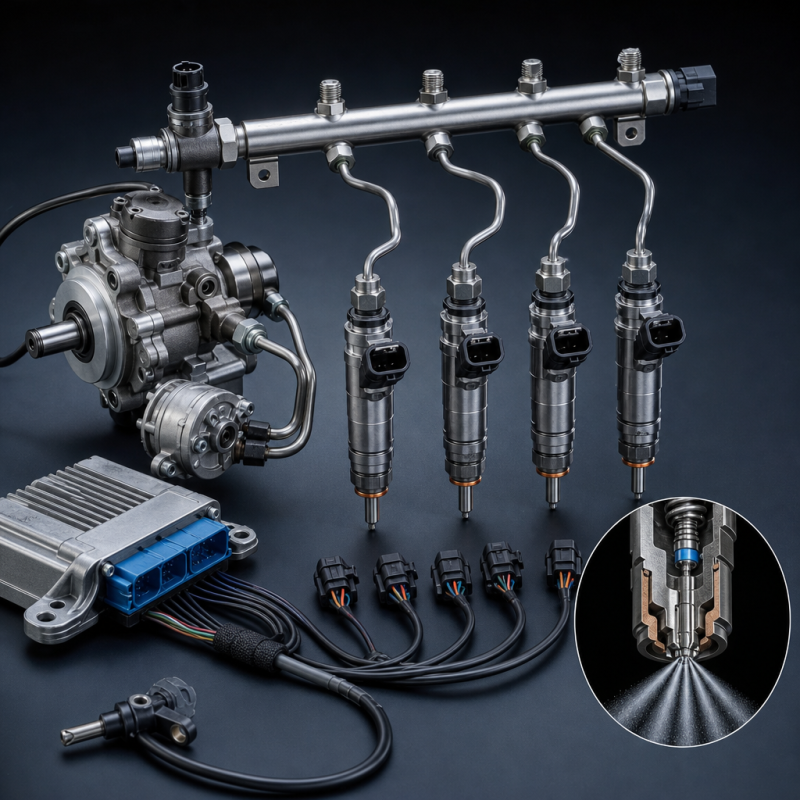
From an engineering perspective, the difference between these two structures is essentially a trade-off between efficiency and density. Four-stroke engines, by lengthening the physical cycle, achieve superior thermal management, stratified combustion potential, and emission control; they are synonymous with heavy-duty performance, durability, and high efficiency. Two-stroke engines, by shortening the cycle and doubling the frequency, achieve unparalleled thrust-to-weight ratio and response speed; they still dominate certain lightweight applications. For diesel engines, while four-stroke is the absolute standard, it’s important to understand that regardless of the cycle used, the core engineering logic always revolves around how to couple airflow, fuel mist, and combustion pressure to generate maximum mechanical torque within a variable-volume chamber through precise timing control. The choice of which stroke logic to use essentially depends on whether you prefer to work meticulously between every two crankshaft rotations or pursue rapid energy release in every single rotation.
jianming machinery