Advantages and disadvantages of diesel engines

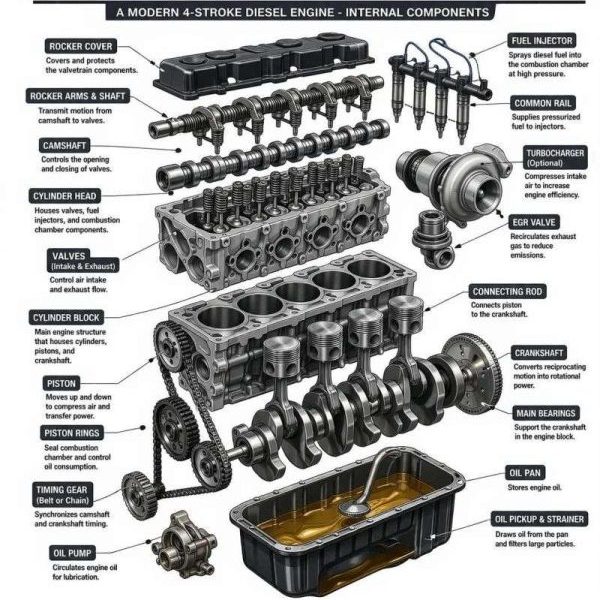
Diesel engines hold an irreplaceable dominant position in modern construction machinery and heavy industry, with their most significant advantages being superior thermal efficiency and excellent fuel economy. Because diesel engines employ compression ignition, their compression ratio is much higher than traditional gasoline power systems. This results in a more significant release of mechanical energy from every drop of fuel in the combustion chamber, typically saving 20% to 30% more fuel than gasoline engines of the same displacement. For excavator, loader, and generator set customers, the powerful low-speed torque provided by diesel engines is crucial for handling extreme load challenges. With the same displacement, diesel engines can output higher torque at lower speeds, which not only reduces the relative wear rate of mechanical components but also gives equipment extremely high operational reliability under complex working conditions. Furthermore, the physical properties of diesel fuel make it less volatile and have a high flash point, greatly improving operational safety in harsh environments such as mines and high-temperature construction sites. Jianming Machinery understands that this efficient and durable power characteristic is the material foundation for heavy machinery to achieve maximum economic benefits throughout its entire life cycle, and our high-quality piston kits and fuel injection components are the core support for maintaining this efficient combustion cycle.
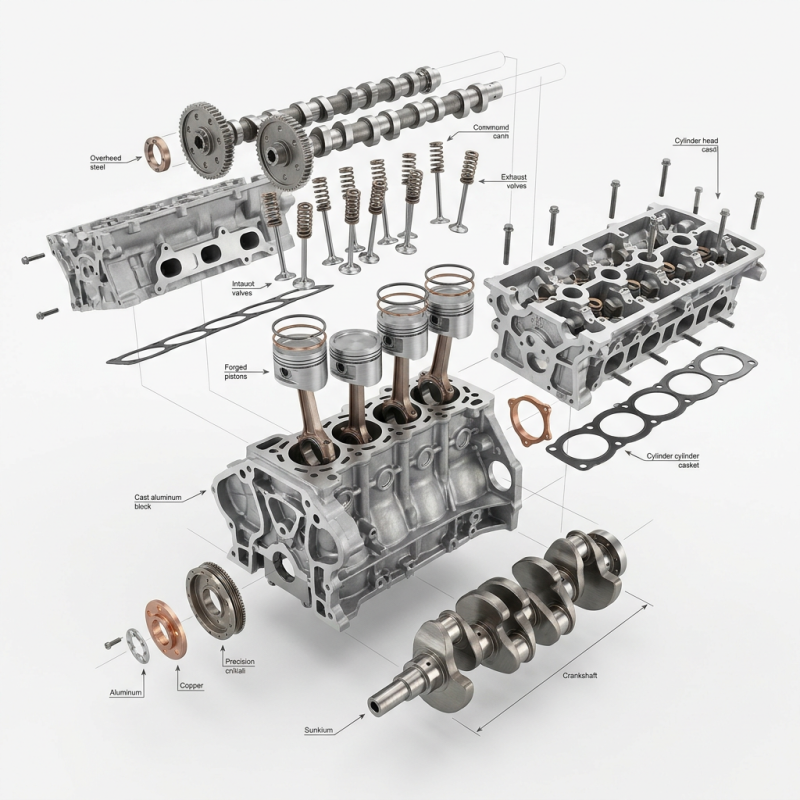
Despite their outstanding power performance, diesel engines face some inherent challenges in practical applications. The primary issue is the high initial procurement cost due to their complex manufacturing structure. To withstand the enormous mechanical shocks and thermal loads brought about by ultra-high compression ratios, diesel engine blocks, connecting rods, and crankshafts must be made of heavier, reinforced alloy materials. This directly increases the overall weight and size of the engine, limiting its widespread adoption in weight-sensitive, miniaturized equipment. Simultaneously, due to the more dramatic pressure rise rate during compression ignition, diesel engines typically exhibit higher noise and vibration (NVH) levels than gasoline engines of the same power, placing higher demands on the acoustic comfort of the operating environment. With increasingly stringent environmental regulations, the treatment of nitrogen oxides (NOx) and particulate matter (PM) emissions from diesel engines has become exceptionally complex, requiring expensive particulate filters (DPF) or selective catalytic reduction (SCR) systems. This not only increases the complexity of the entire system but also raises the technical maintenance threshold and consumable costs. Kemin Machinery is committed to helping global buyers balance these operational needs. By supplying precision water pumps, high-performance oil filters, and emission control components, Kemin helps users minimize these negative impacts in complex operating environments, ensuring efficient and compliant operation of power systems.
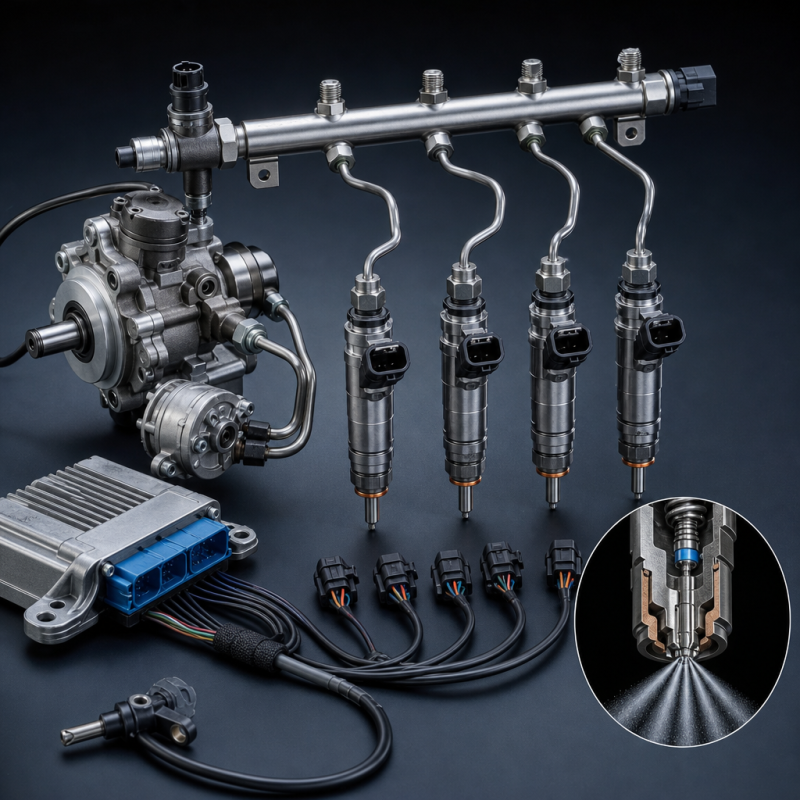
With the increasing penetration of digitalization and hybrid technologies, traditional diesel engines are transforming towards high-pressure common rail and sophisticated electronic control, leading to an unprecedented reliance on high-quality components such as precision electronic injectors and high-pressure pumps. Kemin Machinery will continue to ensure the efficient operation of every industrial heart.
jianming machinery