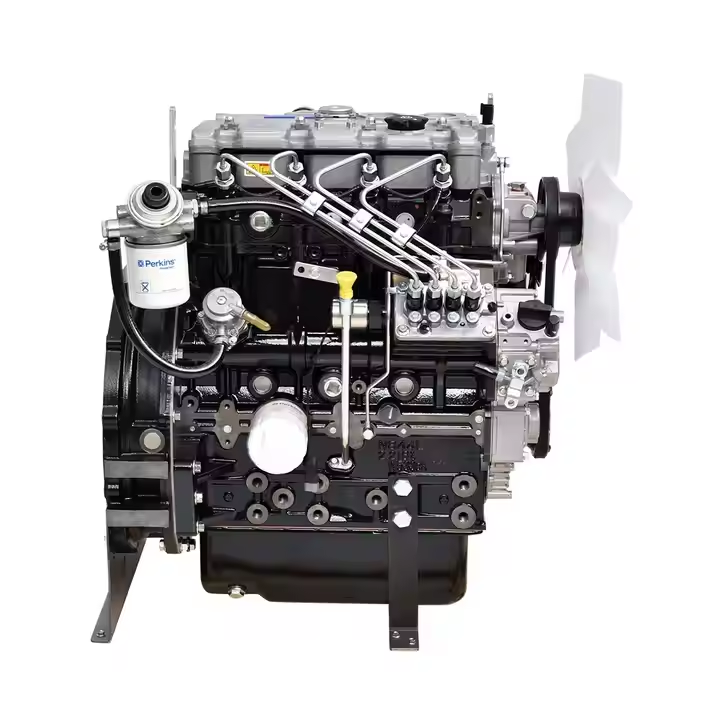
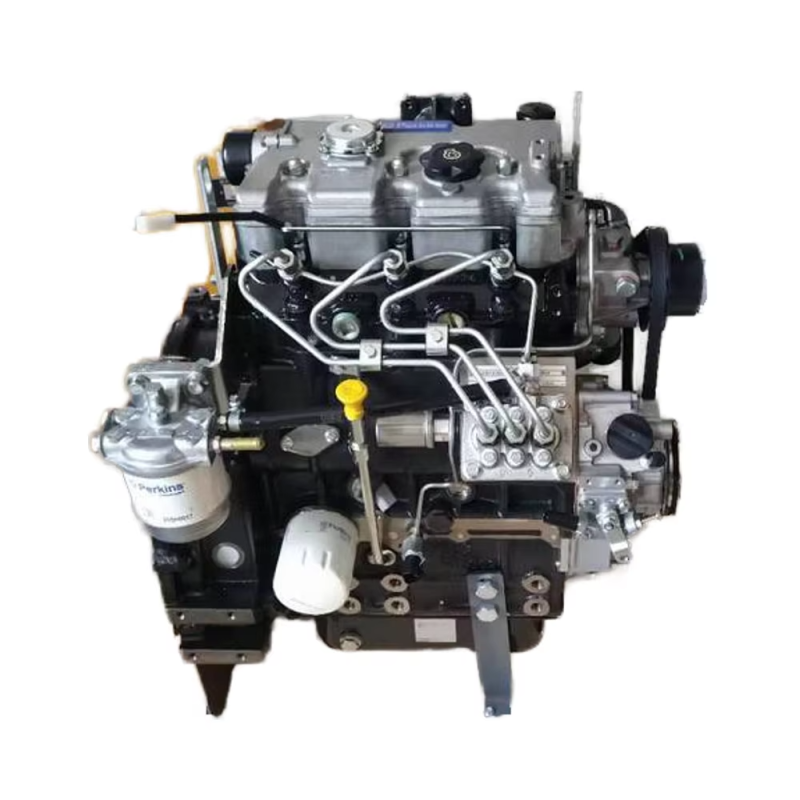
Perkins 404F-E22T Engine – Technical Overview and Service Guide

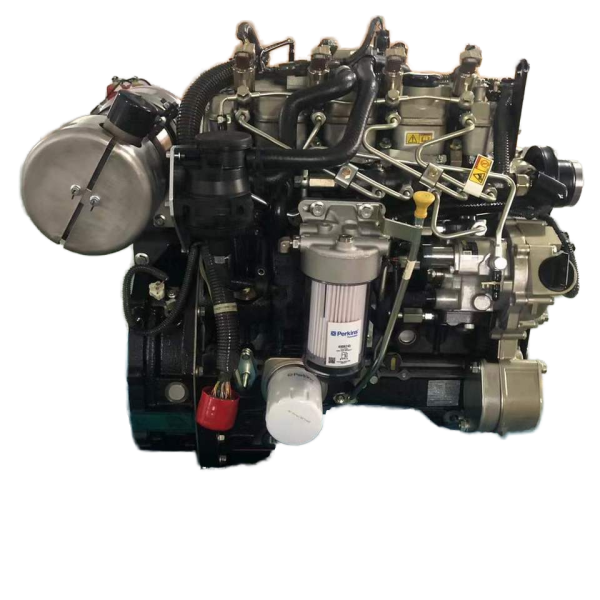
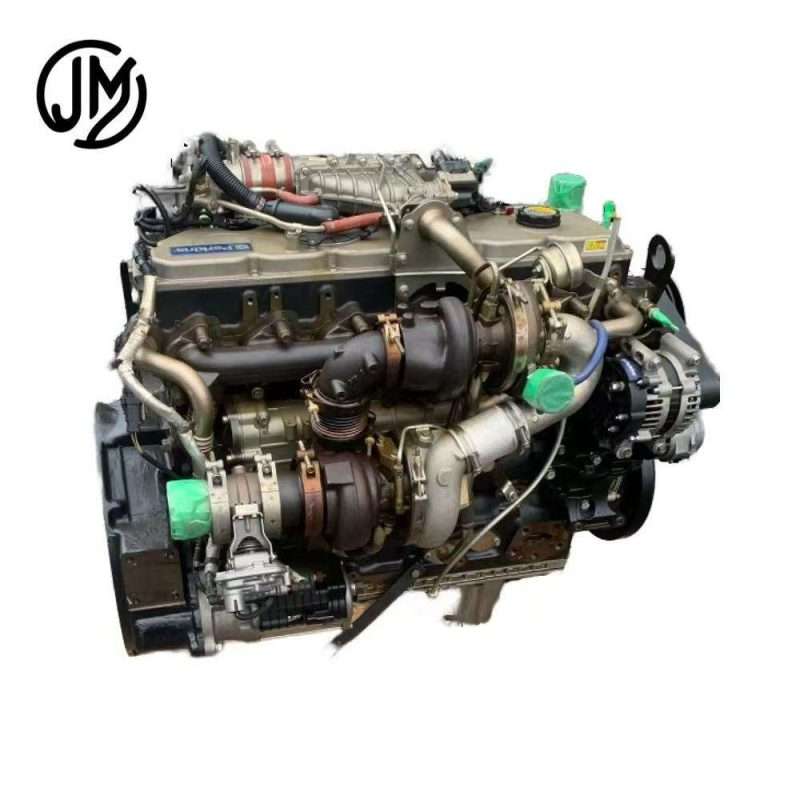
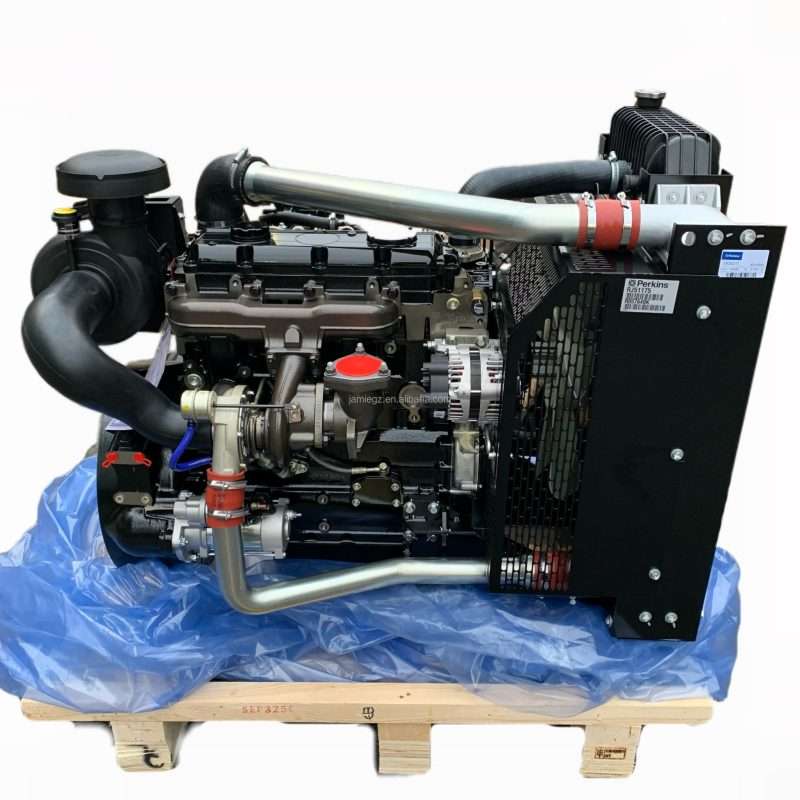
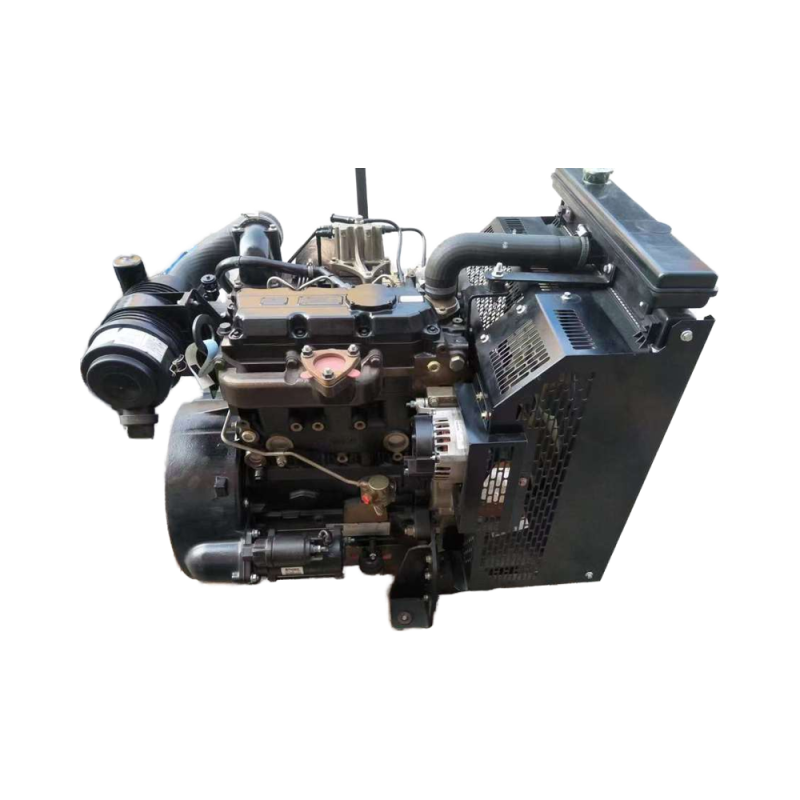
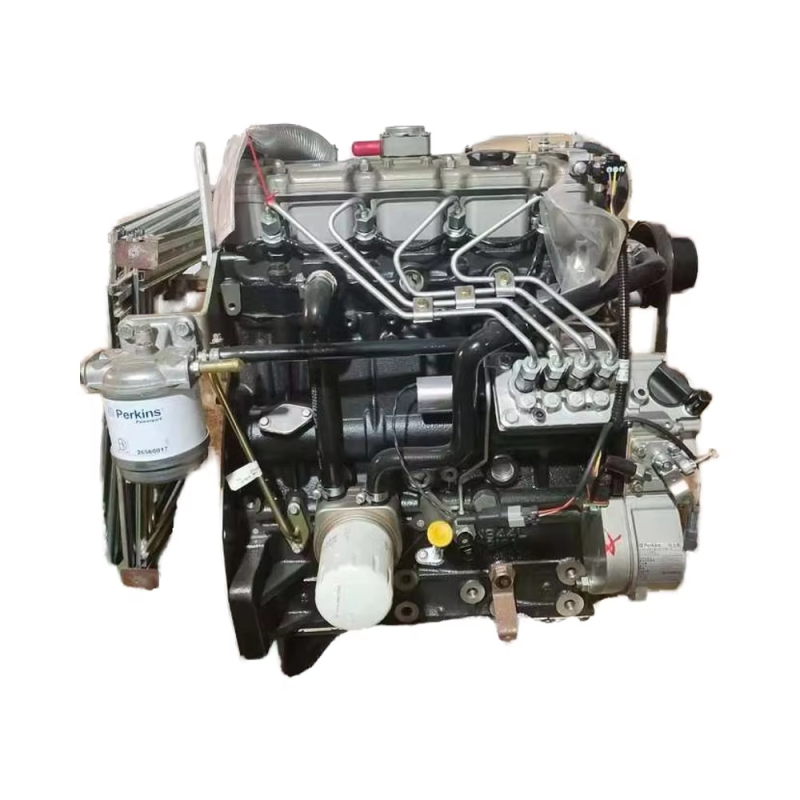
The Perkins 404F-E22T is a 2.2-liter, four-cylinder, turbocharged diesel engine designed to deliver reliable performance, fuel efficiency, and low emissions in compact industrial applications. As a member of the Perkins 400F Series, it succeeds the 400D-22T platform and complies with EU Stage IIIB and EPA Tier 4 Final standards. It is widely used in construction, agriculture, power generation, and material-handling equipment where continuous operation, compact size, and ease of service are critical.
1. Engine Overview
The Perkins 404F-E22T is a four-cylinder, inline, turbocharged, water-cooled diesel engine with a displacement of 2.216 liters.
It produces up to 36.4 kW (48.8 hp) at 2800 rpm and delivers strong torque for its class, typically around 165–170 Nm.
This model represents a transition from the fully mechanical 404D series to modern electronically managed engines. It uses an advanced fuel-injection system to reduce emissions while maintaining Perkins’ hallmark durability and serviceability.
Typical applications include mini excavators, compact loaders, small tractors, compressors, hydraulic power units, and gensets (30–60 kVA range).
2. Design and Construction
The 404F-E22T engine retains the heavy-duty industrial structure of the 400 Series:
- Cylinder Block and Head – Cast-iron for maximum strength and long-term dimensional stability under high thermal loads.
- Cylinders – Wet, replaceable liners allow quick overhaul and precise fit tolerance restoration.
- Crankshaft – Forged steel, running on five main bearings for smooth operation and low vibration.
- Camshaft – Gear-driven for accurate timing and mechanical reliability.
- Pistons – Aluminum alloy with internal cooling galleries, designed to handle increased cylinder pressures generated by turbocharging.
- Compression Ratio – Approximately 18.5:1 to 23:1 (depending on variant), optimized for efficiency and combustion stability.
The overall construction ensures compactness and long service life in mobile and stationary installations.
3. Fuel System and Combustion Technology
The 404F-E22T uses an electronically controlled, common-rail fuel injection system capable of delivering high-pressure, precise multi-stage injection events.
This technology replaces the mechanical injection pump used in earlier 404D models and significantly improves atomization and combustion efficiency.
Key advantages include:
- Precise fuel metering for each cylinder to reduce fuel consumption.
- Lower smoke emissions and optimized burn timing under variable load.
- Smoother idle and lower noise through pilot injection.
The system is managed by an Electronic Control Module (ECM), which monitors parameters such as rail pressure, boost pressure, coolant temperature, and engine speed.
4. Air Management and Turbocharging
A compact waste-gated turbocharger supplies boost pressures up to 1.3 bar, providing a significant torque increase over naturally aspirated models.
Compressed air passes through an air-to-air intercooler, reducing intake temperature and improving air density.
The turbocharger is lubricated and cooled by engine oil flow, ensuring long bearing life under continuous duty. The boost curve is optimized to provide rapid response from low engine speed, which is especially useful in hydraulic or generator applications that require instant load acceptance.
The EGR (Exhaust Gas Recirculation) system recirculates a controlled portion of exhaust gas back to the intake to reduce NOx formation, supporting Stage IIIB/Tier 4 Final compliance.
5. Cooling and Lubrication
The cooling system uses a belt-driven centrifugal water pump and a thermostat to maintain stable operating temperatures between 82 °C and 95 °C.
A coolant capacity of approximately 10 liters ensures adequate heat rejection under high ambient temperatures.
The recommended coolant is Perkins E-LC long-life formula or equivalent MB 325.0, to prevent liner pitting and corrosion.
Lubrication is fully pressurized with a gear-type oil pump and a full-flow filter. Oil capacity is around 10.6 liters, and the recommended oil specification is API CJ-4 or ACEA E9.
The oil cooler integrated into the block maintains viscosity stability and protects the turbocharger during continuous load operation.
6. Electrical and Control System
The 404F-E22T uses a 12-volt starter and alternator system.
The ECM controls injection timing, EGR operation, and fuel delivery for emission optimization.
Diagnostic data can be retrieved via the Perkins EST (Electronic Service Tool) for fault codes and performance monitoring.
A pre-heat system assists cold starting in temperatures down to –20 °C.
Despite its electronic management, the engine remains mechanically straightforward for maintenance, a key Perkins design philosophy.
7. Performance Characteristics
- Maximum Power: 36.4 kW (48.8 hp) @ 2800 rpm
- Peak Torque: 165–170 Nm @ 1800 rpm
- Fuel Consumption: ≈ 210–220 g/kWh
- Operating Speed Range: 1000–3000 rpm
The engine delivers a broad torque plateau, making it suitable for both variable-speed and fixed-speed duty cycles.
Noise and vibration levels are reduced by precision balancing and multi-stage injection timing, achieving one of the quietest sound profiles in its class.
8. Maintenance and Service Schedule
Routine maintenance is essential for long-term reliability:
| Item | Interval |
|---|---|
| Engine oil and filter | Every 500 hours or annually |
| Fuel filters | Every 500 hours |
| Air filter | Inspect 250 hours, replace as needed |
| Coolant replacement | Every 2 years |
| Valve clearance check | Every 1000 hours |
Perkins recommends recording service data throughout the engine’s life cycle to support predictive maintenance and warranty tracking.
All filters and service points are positioned on one side of the engine for easy access in tight installations.
9. Common Operational Issues
Field experience shows the following common concerns:
- Fuel system contamination leading to injector wear or rail pressure deviation.
- Turbocharger oil leakage from extended oil change intervals.
- DPF restriction or regeneration failure in power-generation applications.
- EGR cooler clogging under low-temperature cycles.
- Electrical connector corrosion in high-humidity environments.
Preventive actions include strict fuel filtration, quality lubricants, regular regeneration cycles for after-treatment systems, and periodic electrical inspection.
10. Overhaul and Durability
The 404F-E22T is designed for a base service life of 10,000 operating hours before major overhaul under normal duty.
Its modular construction simplifies rebuilds: liners, pistons, and bearings can be replaced in-frame without block removal.
During reassembly, the ECM must be re-calibrated for injection timing and fuel flow balancing.
With OEM components and proper maintenance, total life can exceed 20,000 hours in standby power or light industrial service.
11. Applications
The Perkins 404F-E22T is used in:
- Mini and midi excavators (2–8 ton range)
- Skid steer and compact wheel loaders
- Agricultural tractors and harvesters
- Hydraulic power packs and compressors
- Electric power generation sets (30–60 kVA)
Its combination of compact dimensions, electronic control, and high torque output makes it a preferred engine for modern industrial equipment OEMs.
Conclusion
The Perkins 404F-E22T is a compact yet technically advanced diesel engine that bridges the gap between mechanical simplicity and modern emission control.
Its turbocharged design, common-rail fuel system, and robust construction deliver excellent fuel efficiency and long-term reliability under continuous operation.
For engineers and fleet operators, understanding the interaction between fuel, air, and after-treatment systems is crucial to maximizing uptime and minimizing operating costs.
When maintained with OEM parts, clean fuel, and proper service intervals, the Perkins 404F-E22T delivers decades of reliable performance across industries worldwide.