


perkins 404F-E22T engine flagship model

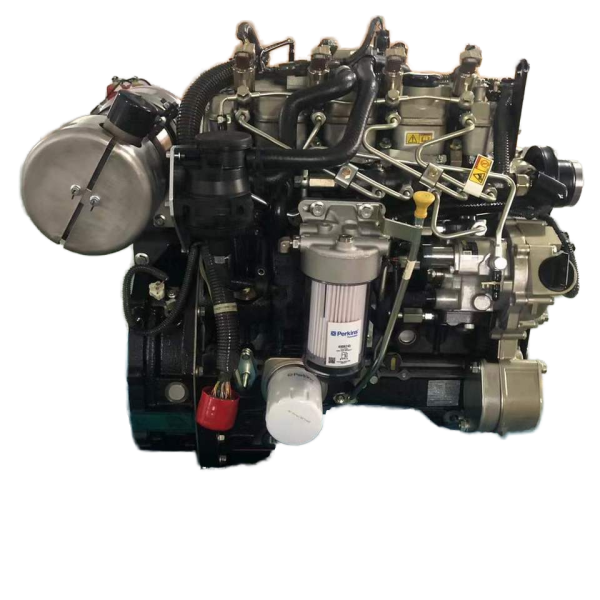
The Perkins 404F-E22T is the high-performance, electronically-equipped flagship engine in the 400 series. The “F” in its model designation indicates compliance with US Tier 4 Final and EU Stage IIIB/IV emission standards, while the “E” signifies that the engine has fully entered the era of electronically controlled high-pressure common rail (HPCR). As a 2.2-liter four-cylinder turbocharged engine, it delivers a rated power of 45.5 kW at 2800 RPM, with a peak torque of an impressive 214 Nm. This torque boost is primarily due to the precise control of fuel injection pressure by the electronic control system, allowing the engine to achieve ample intake air volume and excellent fuel atomization even at low RPMs. Unlike traditional mechanical power units, the 404F-E22T employs a highly integrated electronic control unit (ECU), which achieves “real-time dynamic optimization” of the combustion cycle through real-time monitoring of multiple sensors, including intake pressure, coolant temperature, fuel pressure, and crankshaft phase.
404F-E22T In-Depth Technical Maintenance Points
Fuel Filtering and Water Management: The electronically controlled high-pressure common rail system has extremely stringent requirements for fuel cleanliness. The internal parts of the injectors have clearances at the micrometer level; any fine particles or free water in the fuel can cause instantaneous damage to the injector assembly. It is essential to strictly use genuine high-efficiency filters (usually with electronically sensed water drainage), and it is recommended to install an additional fuel-water separator. This is crucial for ensuring the lifespan of the electronic control system.
Electronic Diagnostics and Fault Codes: All operating logic of this engine communicates via the CAN bus. When a warning appears on the instrument panel, prioritize connecting an electronic diagnostic tool (such as Perkins EST) to read the SPN and FMI fault codes, rather than blindly disassembling mechanical parts. Sensor signal drift or oxidation of wiring harness connectors are common causes of power loss or entering “limp mode.”
Selection of Specialized Engine Oil (Low-SAPS): Due to the inclusion of a DOC aftertreatment system, the 404F-E22T must use low-ash engine oil (such as API CJ-4 or CK-4 standard). The non-combustible ash formed from the metallic additives in ordinary engine oil after combustion can permanently clog the catalytic converter pores, leading to increased back pressure, turbocharger overheating, and even the failure of the expensive aftertreatment system.
Intake System Tightness: For turbocharged electronically controlled engines, even a tiny vacuum leak can cause a discrepancy between the airflow calculated by the ECU and the actual amount of air entering the cylinders, resulting in an overly rich air-fuel mixture, abnormal exhaust temperatures, or sluggish acceleration. The tightening torque of the hose clamps between the turbocharger compressor end and the intercooler (if applicable) should be checked regularly.
In terms of core fuel injection technology, the 404F-E22T completely abandons mechanical indirect injection, instead employing direct injection (DI) combined with a high-pressure common rail system. The common rail chamber maintains extremely high fuel pressure, enabling the electronically controlled injectors to execute a precise “multi-injection” strategy (including pre-injection, main injection, and post-injection). Pre-injection establishes a tiny flame core before the main combustion begins, effectively smoothing the pressure rise rate within the cylinder, thus significantly reducing combustion noise while increasing power. Post-injection is primarily used to precisely control exhaust temperature to cooperate with its rear-mounted diesel oxidation catalyst (DOC). This electronically controlled direct injection architecture not only improves thermal efficiency but also allows the engine to adjust injection timing and pulse width within microseconds based on load changes. This extremely high control precision is the technological foundation that allows the engine to significantly reduce particulate matter (PM) and nitrogen oxide (NOx) emissions through purely physical means without sacrificing power response.
To meet Tier 4 Final emissions compliance requirements, the 404F-E22T integrates a compact exhaust aftertreatment system, typically consisting of a diesel oxidation catalyst (DOC), with some high-load versions also equipped with a diesel particulate filter (DPF). These devices utilize precious metal catalysts to oxidize harmful substances in the exhaust at high temperatures. Thanks to electronic monitoring capabilities, the engine can activate a “transparent regeneration” logic, automatically burning off carbon deposits in the aftertreatment system by adjusting injection timing to increase exhaust temperature without interrupting machine operation. In terms of mechanical structural reinforcement, to withstand the higher burst pressure from common rail direct injection, the 404F-E22T features enhanced tensile strength of the cylinder head bolts and a rigid design for the cylinder block skirt, along with optimized turbocharger response characteristics. This ensures that the entire machine can maintain a long maintenance cycle of 500 hours even under full load, setting a technological benchmark for the digital and intelligent power transformation of modern small and medium-sized construction machinery.

