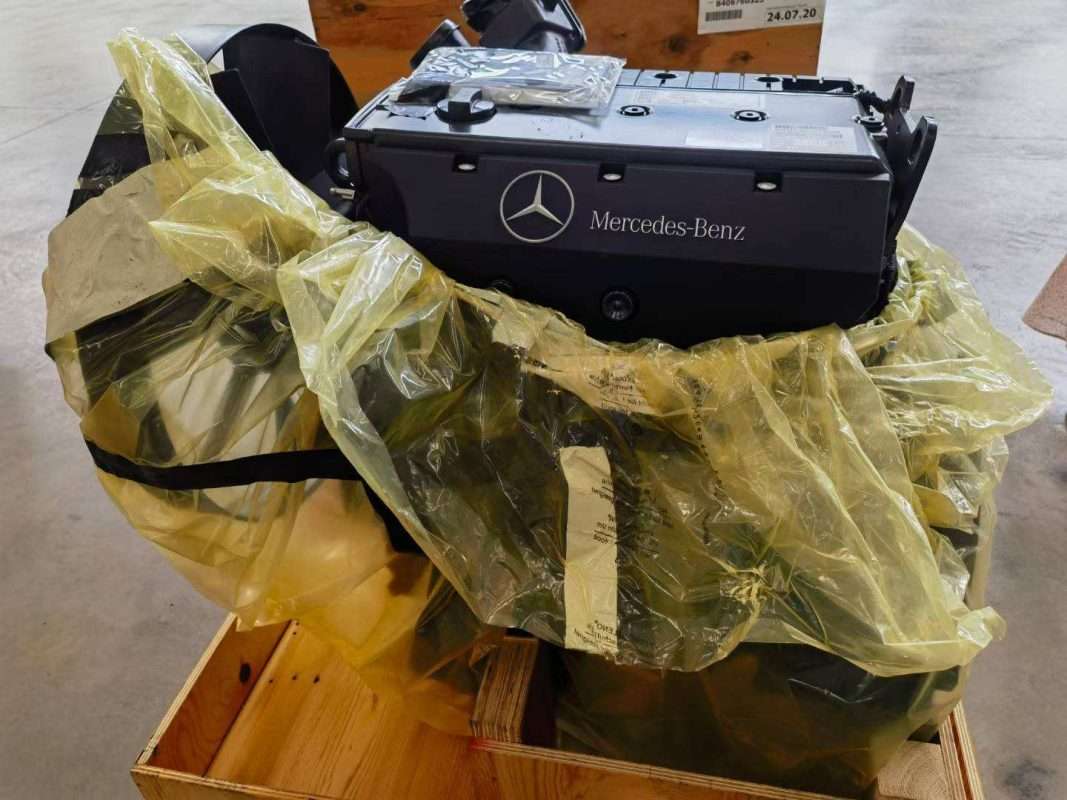
Benz OM501LA Engine Technical Overview and Service Guide


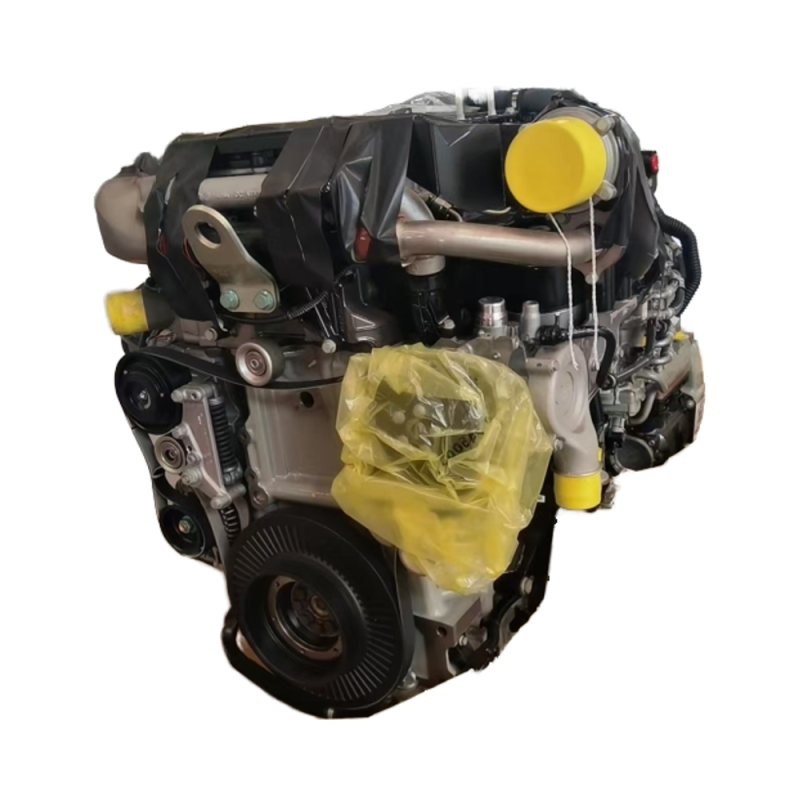
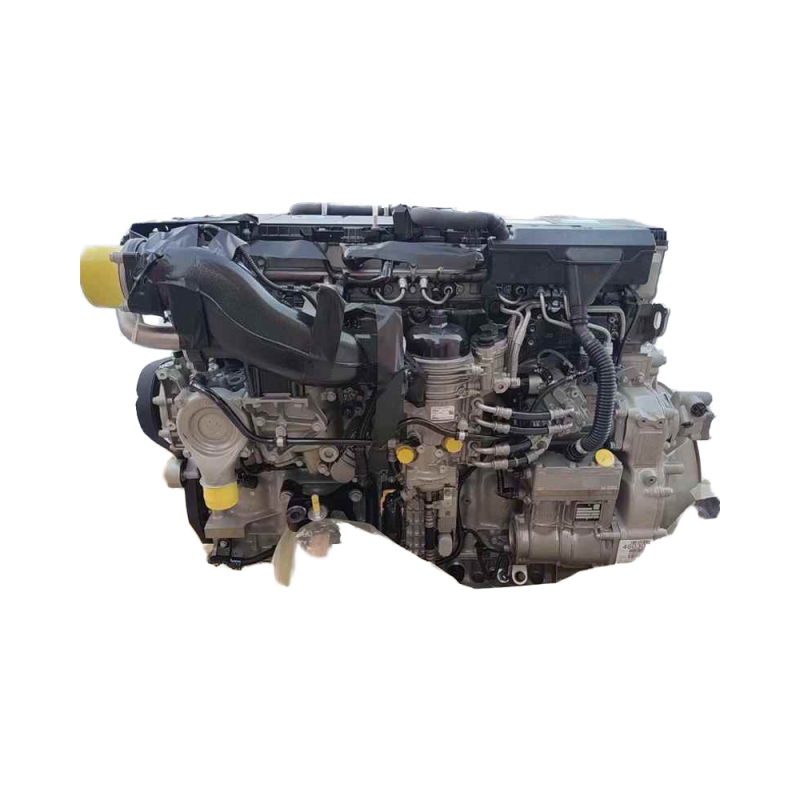
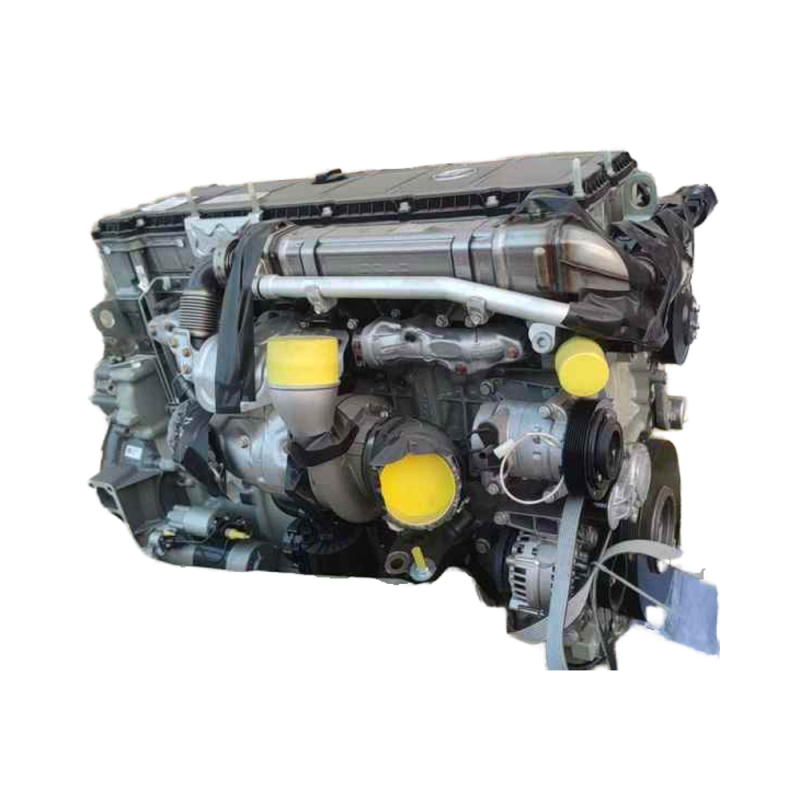
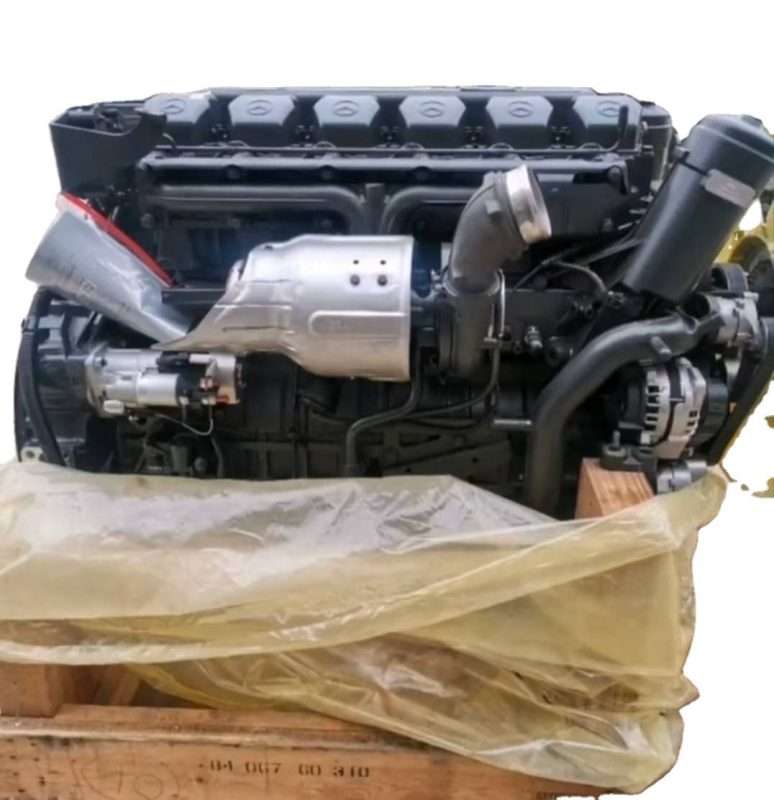
The Mercedes-Benz OM501LA is a six-cylinder, V-type diesel engine designed for heavy-duty commercial vehicles and industrial power applications. It belongs to the 500 engine family developed by Daimler AG in Germany, recognized for its combination of reliability, torque output, and service longevity. The OM501LA has powered generations of Mercedes-Benz Actros and Arocs trucks, as well as construction machinery, generator sets, and off-road equipment worldwide.
This article provides an in-depth technical description of the OM501LA engine, covering its structure, operating principles, performance characteristics, and service guidelines.
Engine Architecture and Design
The OM501LA is a 90-degree V6 diesel engine with a displacement of approximately 11.9 liters. The engine’s compact V configuration allows Mercedes-Benz to fit high-output powertrains into tight chassis layouts without compromising cooling or accessibility. The block and heads are made from high-grade cast iron, providing rigidity against torsional stress and thermal expansion under continuous heavy load.
The engine uses a long-stroke design, with 130-millimeter bore and 150-millimeter stroke. This geometry favors torque generation at low revolutions, which is critical for hauling and uphill operations. The compression ratio is around 17.25 to one, typical for direct-injection diesel units, ensuring efficient combustion even under high boost pressures.
Each cylinder bank has its own cylinder head. Every cylinder is equipped with two intake and two exhaust valves. The valvetrain is driven by a gear train connected to the crankshaft, operating pushrods and rocker arms. Valve timing is fixed and optimized for mid-range efficiency and exhaust gas temperature control. Valve clearance adjustment is mechanical, and technicians are required to check it periodically as part of major maintenance intervals.
Fuel Injection System
One of the main features of the OM501LA is its fuel system. Instead of a common rail setup, the engine employs an individual unit pump per cylinder, known as the UPS (Unit Pump System). Each unit pump is mechanically actuated by a camshaft lobe and electronically controlled through a solenoid valve. The system can generate injection pressures exceeding 1,600 bar, enabling precise fuel atomization and clean combustion.
The ECU monitors input from various sensors, including crankshaft position, fuel temperature, boost pressure, and coolant temperature. Based on these parameters, it adjusts injection timing and quantity for each pump. The UPS system eliminates high-pressure lines between injectors and a central rail, which improves reliability and reduces leakage risk, though it requires extremely accurate calibration during rebuild or replacement.
Air Intake and Turbocharging
The OM501LA is turbocharged and intercooled. A single turbocharger supplies compressed air into the intake manifold through an air-to-air intercooler. The turbocharger is equipped with a wastegate actuator that regulates boost pressure and prevents overboost under transient load. Typical operating boost pressure ranges from 1.6 to 1.9 bar depending on altitude and load.
The intercooler reduces the compressed air temperature by 40 to 60 degrees Celsius before it enters the combustion chamber. Lower intake air temperature increases oxygen density, leading to improved combustion efficiency and reduced exhaust smoke. Air filtration is handled by a dual-stage dry-type air filter with a restriction indicator. Maintenance of the air filter is critical, especially in dusty operating environments such as mining or construction.
Lubrication System
Lubrication is performed by a gear-type oil pump mounted at the front of the crankcase. The pump delivers pressurized oil to all major bearings, piston cooling jets, camshaft lobes, and the turbocharger bearing housing. The OM501LA has a total oil capacity of approximately 38 liters, depending on the sump design. Oil is filtered through dual full-flow filters and cooled by an integrated oil-to-water heat exchanger.
Oil pressure under normal operating conditions is between three and five bar at 1,500 revolutions per minute. If pressure drops below one bar at idle, an alarm is triggered by the oil pressure sensor. It is mandatory to use engine oils conforming to Mercedes-Benz 228.3 or 228.5 specifications to ensure proper film strength under high load and high temperature. Using substandard oil can cause accelerated wear on the camshaft, bearings, and unit pump lobes.
Cooling System
The engine’s cooling system is water-based, featuring a belt-driven centrifugal pump, a thermostat-controlled bypass, and an aluminum radiator with an expansion tank. The system operates between 82 and 95 degrees Celsius. It is pressurized to about one bar to raise the boiling point of the coolant and prevent vapor lock.
Proper coolant maintenance is essential. Cavitation, a common problem in large diesel engines, can occur on the liner walls if the coolant lacks corrosion and anti-cavitation additives. The recommended coolant mixture is a 50/50 ratio of antifreeze concentrate and deionized water, meeting MB325.0 specifications. Overheating is usually caused by radiator blockage, thermostat failure, or insufficient coolant flow due to pump wear.
Combustion and Performance Characteristics
The OM501LA delivers a power range between 235 and 350 kilowatts, equivalent to 315 to 476 horsepower, depending on calibration. Maximum torque output is between 1,550 and 2,300 newton-meters, achieved at approximately 1,080 revolutions per minute. The torque curve is almost flat between 1,000 and 1,400 rpm, providing strong pulling capability at low speeds.
Fuel consumption efficiency is achieved through high compression, optimized turbocharging, and precise injection timing. The engine maintains good thermal efficiency even under partial load. At steady cruise, specific fuel consumption can be as low as 200 grams per kilowatt-hour. Exhaust emission levels correspond to Euro II or Euro III standards, and some later variants integrate EGR and SCR systems to comply with Euro IV.
Electronic Management and Diagnostics
The electronic control unit is the central processor of the OM501LA. It governs injection control, boost pressure regulation, and idle stability. It also monitors key parameters such as coolant temperature, intake air temperature, oil pressure, and crankshaft speed.
Diagnostic data can be accessed via the Mercedes-Benz STAR Diagnosis system or compatible OBD-II readers. Fault codes cover issues like pump actuation faults, sensor malfunctions, and communication failures. For example, code P1187 indicates a control circuit issue on a unit pump, while P2359 refers to boost pressure deviation. Proper diagnostic procedures require inspection of electrical connectors, continuity testing, and live data analysis under load.
Maintenance and Service Procedures
Routine maintenance of the OM501LA is vital to ensure operational reliability and longevity. Engine oil and filters should be replaced every 20,000 to 30,000 kilometers, depending on operating conditions. Fuel filters must be renewed every 40,000 kilometers to prevent injector wear caused by contaminants. The air filter should be inspected frequently, particularly in dusty environments. Coolant should be replaced every two years to maintain corrosion protection.
Valve clearance adjustment is required at approximately 120,000 kilometers. Turbocharger inspection should occur around every 150,000 kilometers, checking for shaft end play, oil leakage, and compressor wheel condition. The unit pumps should be recalibrated or bench-tested every 200,000 kilometers to maintain injection precision.
Neglecting scheduled maintenance can result in power loss, hard starting, excessive smoke, and reduced efficiency. It is strongly recommended to record all maintenance intervals and oil analysis data for preventive diagnostics.
Common Failures and Troubleshooting
Field experience shows that certain issues appear more frequently on OM501LA engines. Hard starting or power loss often points to air ingress in the fuel system, restricted filters, or worn injection pumps. Black smoke typically results from over-fueling or a clogged air filter. Blue smoke indicates oil consumption, usually from worn piston rings or valve seals. Overheating may be due to cooling system blockages or thermostat malfunction. Unusual knocking noises are often associated with incorrect injection timing or bearing clearance wear.
During troubleshooting, it is crucial to distinguish between mechanical, fuel, and electronic causes. Pressure testing, compression measurement, and electronic data logging are necessary steps before component replacement. Blind part substitution is not recommended because it can mask the root cause.
Overhaul and Rebuild Guidelines
A complete engine rebuild follows strict dimensional and cleanliness standards. The engine should be disassembled in a controlled environment. Each component must be cleaned, tagged, and inspected. The cylinder liners should be measured for wear; the maximum permissible diameter deviation is approximately 0.15 millimeter. Crankshaft journals must be within 0.03 millimeter of roundness. Any deviation beyond limit requires regrinding and installation of oversize bearings.
Valve seat width should remain between 1.8 and 2.2 millimeters for proper sealing. During reassembly, all gaskets, seals, and bearings must be replaced. Bolts for the main bearing caps, connecting rods, and cylinder heads must be torqued using the manufacturer’s angle-tightening procedure. Oil passages must be thoroughly cleaned before assembly. After rebuild, oil pressure and coolant tightness tests should be performed before initial start-up.
Practical Notes for Field Technicians
The OM501LA is designed to operate in extreme duty cycles, but service quality directly affects engine life. Always prime the oil system before the first start after rebuild. Bleed the fuel system thoroughly to eliminate air pockets. Use the correct torque on unit pump clamps to prevent fuel leakage. Verify synchronization marks during assembly to ensure accurate timing.
When diagnosing electronic issues, confirm the power supply and ground integrity of the ECU. Many intermittent faults arise from corroded connectors or poor grounding. Use genuine or equivalent-quality parts, especially for sensors, unit pumps, and turbochargers, as tolerance variation can significantly impact engine calibration.
Conclusion
The Mercedes-Benz OM501LA engine represents a proven engineering design that combines mechanical strength with electronic precision. Its V6 configuration provides a balance between compactness and torque, making it suitable for trucks, industrial engines, and power generators. For workshop engineers, understanding its systems — from fuel injection to turbocharging and lubrication — is critical to ensuring reliable operation and long service life.
Adherence to correct maintenance schedules, proper diagnostic methods, and genuine component replacement can easily extend the engine’s operational life beyond one million kilometers. With systematic servicing and accurate troubleshooting, the OM501LA remains one of the most dependable heavy-duty diesel engines in the global market.
👉 For Benz OM501LA engines, spare parts or technical support, please visit jamiegz.com for professional solutions.