The Evolution of Diesel Engine Intake Logic: In-Depth Analysis of the Mechanical Efficiency and Power Performance of Turbocharging and Naturally Aspirated Systems

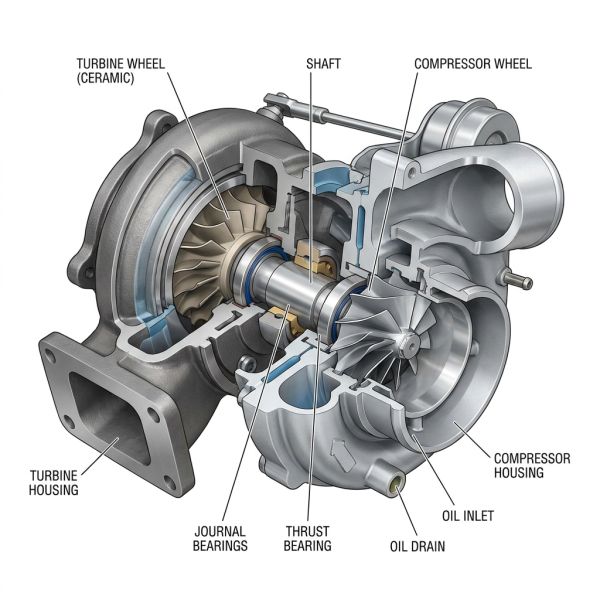
In the mechanical engineering field of diesel engines, the logical design of the intake system is a core variable determining the overall engine’s power density and fuel economy. Naturally aspirated and turbocharged engines represent two distinctly different energy conversion philosophies. Naturally aspirated engines rely entirely on the vacuum created by the piston during the intake stroke to draw air at atmospheric pressure into the cylinder. Their charging efficiency is limited by environmental pressure and the geometric resistance of the intake manifold, resulting in a clear physical ceiling to their power output per unit displacement. In contrast, turbocharged engines recover high-energy exhaust gases that would otherwise be wasted during the exhaust stroke, driving a turbopump to forcibly compress air into the cylinder, achieving significant forced intake. This fundamental difference means that, with the same cylinder volume, a turbocharged system can charge in more oxygen molecules, supporting the injection of higher-quality fuel for more vigorous combustion, allowing small-displacement engines to produce torque and power exceeding that of large naturally aspirated engines.
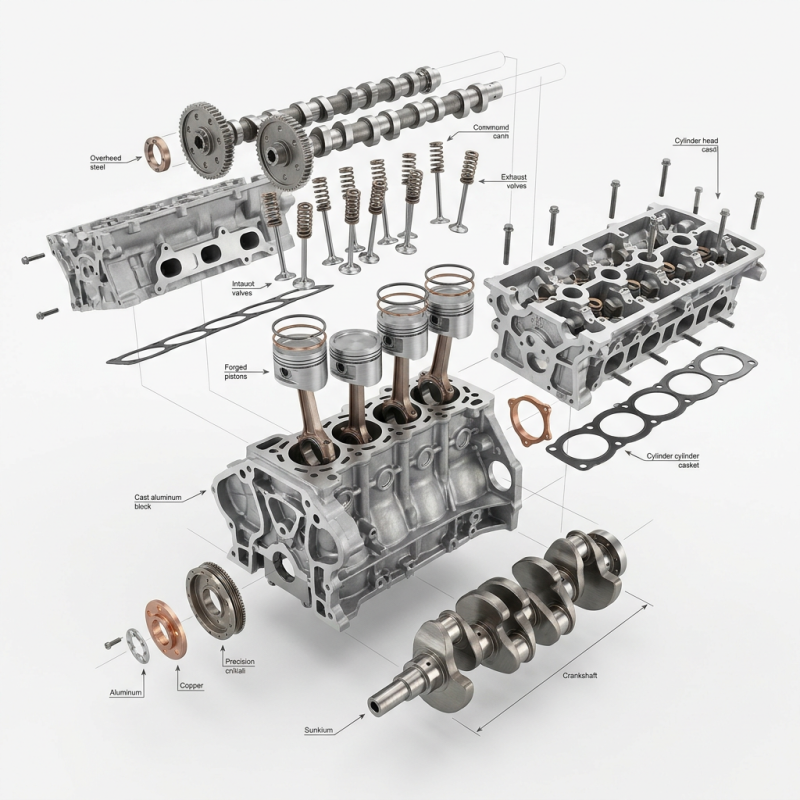
From a deeper perspective of thermodynamic efficiency and environmental compliance, turbocharging technology dominates modern diesel engine development, fundamentally due to its systematic restructuring of energy utilization. Naturally aspirated engines release a significant amount of heat and kinetic energy directly into the atmosphere through the exhaust pipe during the exhaust phase. Turbochargers, however, act as “energy recoverers,” greatly improving the engine’s overall thermal efficiency through the secondary utilization of exhaust gas energy. Due to the increased excess air coefficient in the combustion chamber, fuel burns more completely under high temperature and pressure, significantly reducing fuel consumption and emissions of soot and carbon monoxide, making it easier to meet stringent Tier 3 or Tier 4 emission standards. However, this high efficiency comes with higher demands on mechanical integrity: internal components of turbocharged engines, such as piston tops, connecting rod small ends, and cylinder head gaskets, must withstand higher thermal shocks and combustion pressures. The introduction of turbocharging systems increases the complexity of the mechanical structure, particularly significantly increasing the reliance on oil lubrication and cooling systems. Therefore, we consistently provide global users with high-temperature resistant turbine rotors, precision intercooler components, and reinforced seals to ensure that this efficient power cycle maintains zero-failure operation even under extremely harsh conditions.
While naturally aspirated engines may lag slightly behind in terms of explosive power, their simpler structure, lower exhaust temperatures, and relatively less demanding maintenance requirements allow them to remain a viable option in certain light-duty machinery applications requiring low loads and long service lives. Turbocharged engines, on the other hand, dominate the heavy-duty excavator, mining truck, and high-voltage generator set markets due to their superior high-altitude compensation capabilities and powerful instantaneous torque response. By comparing the differences between the two intake logics in terms of piston reciprocating frequency, valve overlap angle optimization, and thermal management, we not only provide global buyers with a highly valuable maintenance guide but also demonstrate Jianming Machinery’s expertise in supplying spare parts across the entire powertrain supply chain.
jianming machinery