Technical System for the Prevention and Control of Diesel Vehicle Emissions


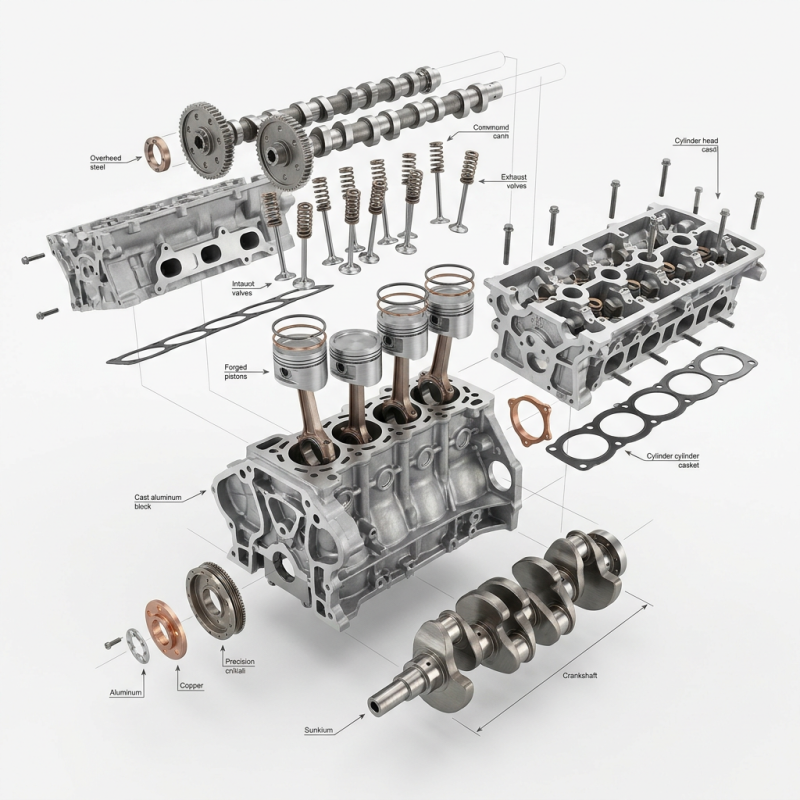
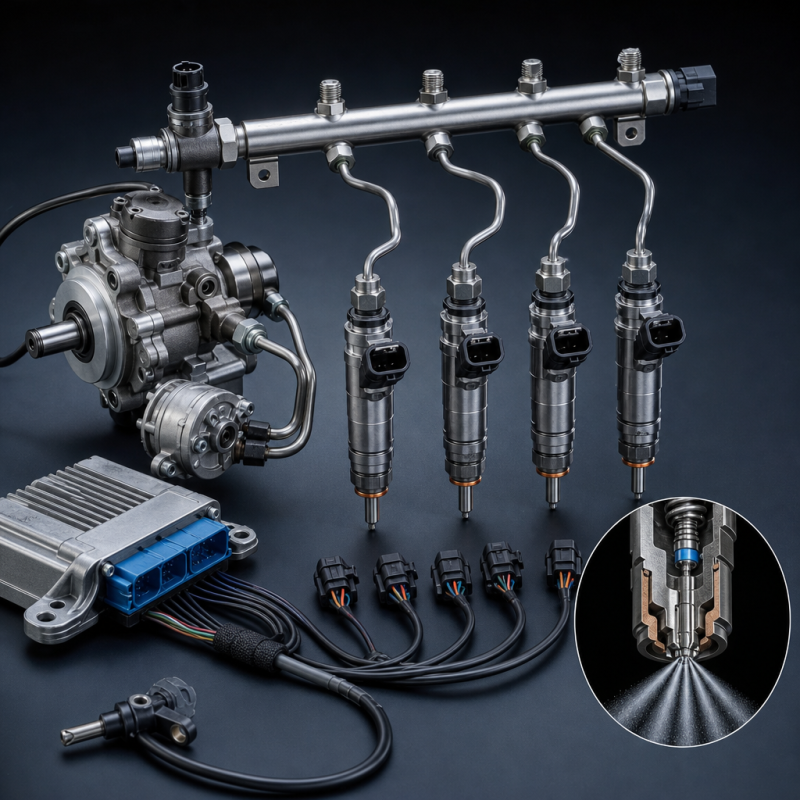
The technical framework for controlling diesel vehicle emissions follows a progressive logic: “source control, in-cylinder purification, and exhaust after-treatment.” The primary step involves suppressing pollutant formation by optimizing the combustion process itself. Diesel engines primarily emit nitrogen oxides (NOx) and particulate matter (PM), which present a trade-off regarding combustion conditions: high temperatures and oxygen-rich environments promote complete fuel combustion—thereby reducing PM—but accelerate NOx formation; conversely, low temperatures and oxygen-lean environments inhibit NOx but lead to incomplete combustion and increased soot. Modern diesel engines utilize high-pressure common-rail injection systems to boost injection pressure beyond 2,000 bar, achieving ultra-fine, micron-level fuel atomization within the combustion chamber. Combined with multi-stage injection strategies—comprising pre-injection, main injection, and post-injection—this approach improves fuel-air mixing quality while controlling peak combustion temperatures, thereby suppressing pollutant formation at the chemical reaction source. Exhaust Gas Recirculation (EGR) systems serve as the core technology for in-cylinder NOx reduction; by reintroducing a portion of inert exhaust gas to the intake side, they dilute oxygen concentration and absorb combustion heat, keeping peak combustion temperatures below the threshold where massive NOx formation occurs.
Pollutants that cannot be fully eliminated at the combustion source are addressed by exhaust after-treatment systems. The combination of a particulate filter and a Selective Catalytic Reduction (SCR) system forms the “golden architecture” enabling diesel vehicles to meet China VI and Euro VI emission standards. The diesel particulate filter employs a wall-flow honeycomb substrate; alternating channel plugs force exhaust gas through porous walls, physically trapping soot particles within the substrate with a capture efficiency exceeding 95%. Over time, accumulated soot must be oxidized into carbon dioxide and expelled through periodic high-temperature regeneration. This process is intelligently triggered by the electronic control unit based on signals from pressure and temperature sensors, utilizing high exhaust temperatures or active fuel injection to heat the filter and achieve self-cleaning during vehicle operation. The Selective Catalytic Reduction (SCR) system precisely injects an aqueous urea solution into the exhaust stream; at high temperatures, the urea hydrolyzes into ammonia, which then selectively reduces nitrogen oxides (NOx) on the catalyst surface into harmless nitrogen and water vapor—achieving conversion efficiencies exceeding 90% within the optimal temperature range. The synergistic operation of these systems enables diesel vehicles to achieve extremely low levels of harmful emissions while maintaining high thermal efficiency and fuel economy.
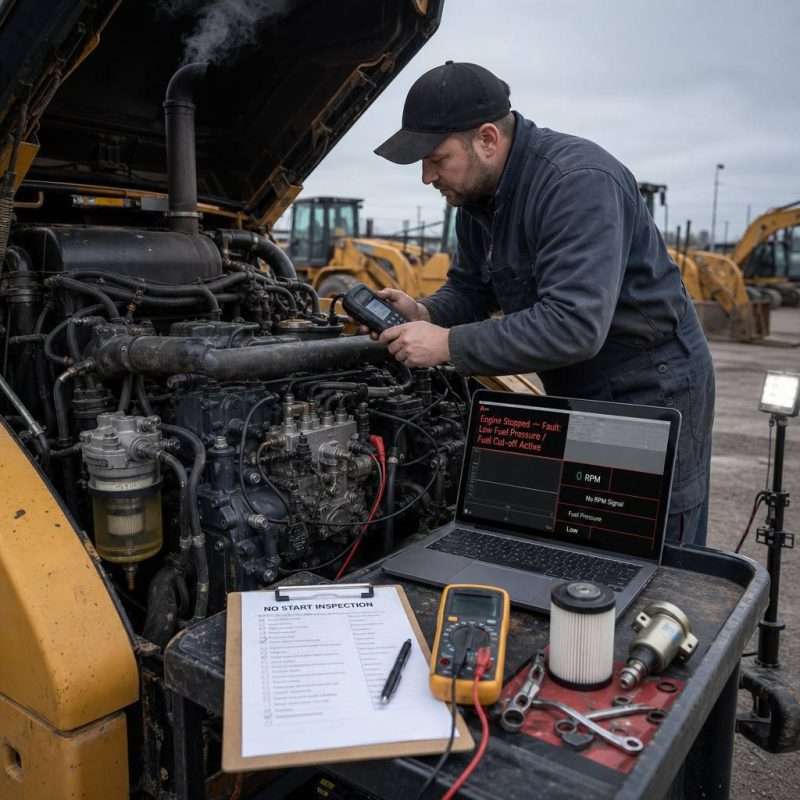
Beyond the efficient operation of exhaust after-treatment systems, controlling diesel vehicle emissions relies on the coordinated support of fuel quality, lubricant selection, and diagnostic maintenance. Low-sulfur diesel is a prerequisite for the proper functioning of after-treatment systems; excessive sulfur content can poison the catalyst’s active sites and cause sulfate deposits within the particulate filter that are difficult to remove during regeneration. Low-ash engine oil prevents metallic additives from depositing in the particulate filter after combustion, thereby avoiding premature clogging of the filter substrate. Real-time monitoring by the On-Board Diagnostics (OBD) system serves as the final line of defense for emissions compliance; by tracking key parameters such as catalyst temperature, NOx sensor readings, and particulate filter pressure differentials, the system triggers a warning light and activates torque-limiting protection upon detecting any malfunction, preventing the vehicle from continuing to operate with excessive emissions. Regular inspection and maintenance—including particulate filter ash cleaning, urea injection system calibration, and catalyst health assessment—are essential for ensuring long-term emissions compliance. Understanding this multi-level control framework—spanning combustion management and in-cylinder purification to after-treatment and diagnostic maintenance—enables fleet managers and technicians to accurately pinpoint the root causes of emissions issues and employ scientific methods to balance power performance, fuel economy, and environmental protection.
jianming machinery