Komatsu Engine Maintenance – Ensuring Reliability and Longevity ⚙️

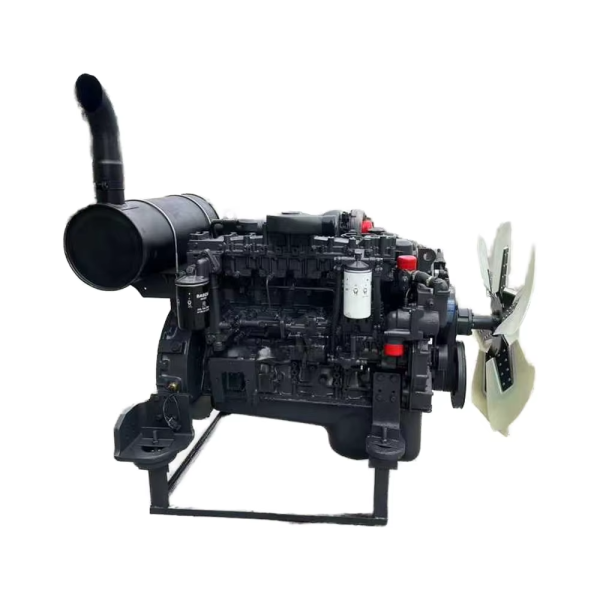
Proper maintenance is essential for Komatsu engines, whether used in construction machinery, industrial equipment, or power generation. Regular upkeep ensures consistent performance, extended service life, and reduced operating costs, which are critical for heavy-duty applications such as excavators, wheel loaders, bulldozers, and generators. Komatsu engines are engineered for durability, but even the most robust diesel powerplants require routine maintenance to operate at peak efficiency.
1. Engine Oil and Lubrication
Engine oil is the lifeblood of a diesel engine, providing lubrication, cooling, and corrosion protection. For Komatsu engines:
- Engine oil replacement is recommended every 250–500 hours depending on the model and operating conditions.
- Always use OEM-approved diesel engine oils to maintain viscosity and protect against wear.
- The oil filter should be replaced at the same interval to ensure clean lubrication and prevent abrasive particles from damaging components.
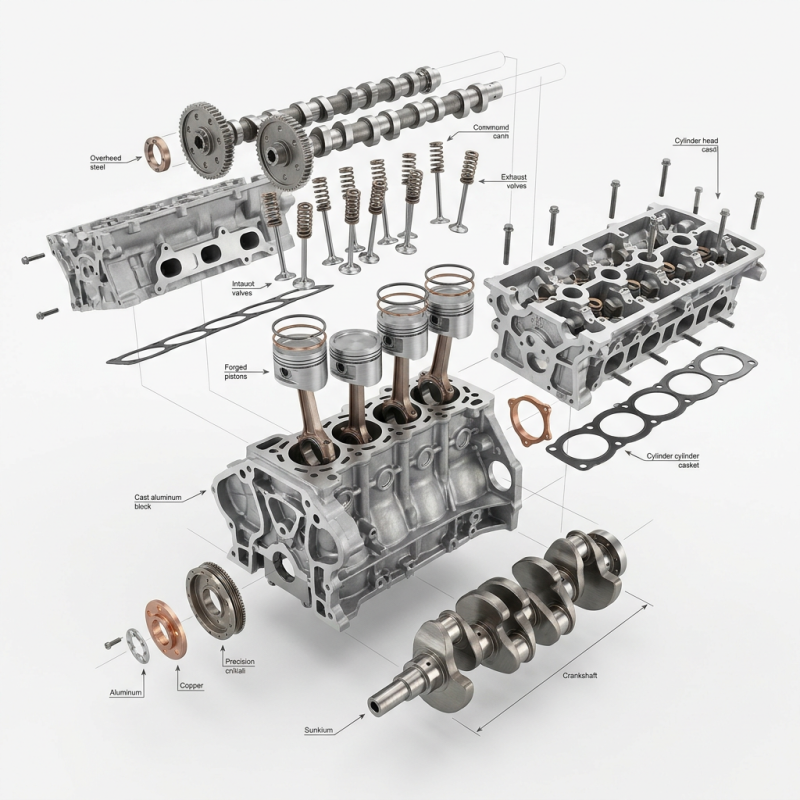
Proper lubrication reduces friction on crankshafts, camshafts, pistons, and bearings, preventing premature wear and extending engine life.
2. Fuel System Maintenance ⛽
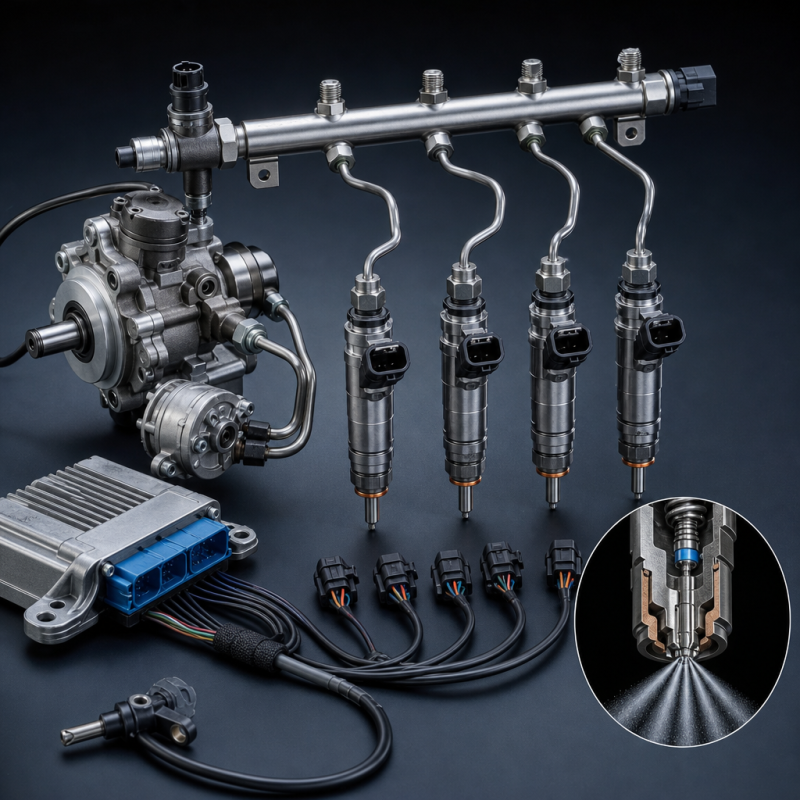
Komatsu engines rely on a precision fuel injection system for optimal combustion. Regular maintenance includes:
- Replacing fuel filters every 500 hours or sooner if contamination is detected.
- Draining water separators to prevent corrosion and injector damage.
- Inspecting fuel lines and connections for leaks or cracks.
A well-maintained fuel system ensures stable engine performance, consistent torque, and reduced fuel consumption, while minimizing smoke and emissions, especially in turbocharged models.
3. Air Filtration and Cooling 🌬️🌡️
Clean air intake is crucial for combustion efficiency and engine longevity. For Komatsu engines:
- Air filter inspection should be performed every 250 hours, with replacement if clogged or damaged.
- Turbocharged engines require additional attention to intercoolers and air ducts to maintain optimal airflow.
- The cooling system should be checked regularly, including radiator, coolant levels, and hoses, to prevent overheating.
Proper air and thermal management ensures stable engine operation, prevents excessive wear, and maintains fuel efficiency, particularly in dusty or high-temperature environments.
4. Valve Clearance, Belts, and General Inspection 🧰
Routine mechanical inspections are essential:
- Valve clearance checks every 1000 hours ensure proper engine breathing and prevent power loss.
- Drive belts and tensioners should be inspected for wear, cracks, or misalignment.
- Inspect engine mounts, hoses, and electrical connections to ensure safe and reliable operation.
Regular mechanical inspections help detect early signs of component fatigue, preventing unplanned downtime and costly repairs.
5. Conclusion
Maintaining Komatsu engines according to manufacturer recommendations ensures maximum reliability, efficiency, and operational life. By adhering to a comprehensive maintenance schedule, including engine oil, fuel system, air filtration, cooling, and mechanical inspections, operators can achieve high uptime, reduced fuel consumption, and consistent performance. Proper maintenance is essential for heavy-duty construction machinery, industrial equipment, and generators.
👉 For Komatsu engines, spare parts, or technical support, please visit jamiegz.com for expert solutions.