Direct Fuel Injection Technology for Diesel Engines: The Core of Efficient Combustion in Modern Diesel Power


Diesel direct injection (DI) technology is a cornerstone of modern diesel powertrain systems. Its operating principle involves injecting high-pressure fuel directly into the combustion chamber at the end of the compression stroke; the fuel rapidly mixes with the high-temperature, high-pressure air and undergoes auto-ignition to generate power. Compared to traditional pre-chamber or swirl-chamber injection methods, direct injection minimizes energy loss during combustion and enhances thermal efficiency, making it the prevailing solution for modern diesel engines.
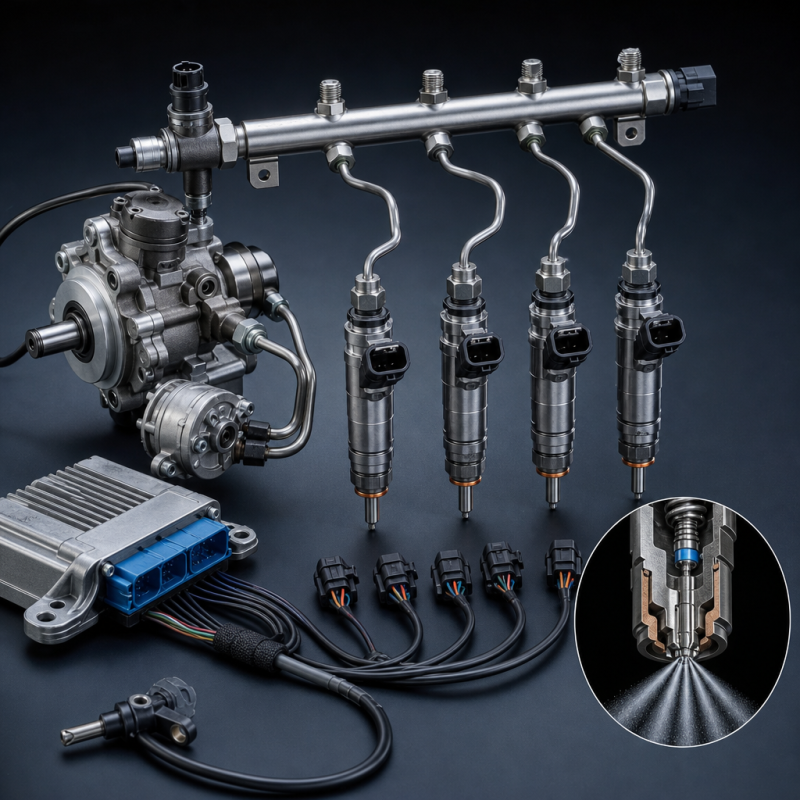
Advancements in electronic control technology have transformed diesel direct injection systems from early mechanical setups into electronically controlled systems, most notably the High-Pressure Common Rail System (CRS). Modern common rail systems not only deliver higher and more stable injection pressures but also enable real-time control of injection timing, pressure, and quantity based on varying engine operating conditions, thereby achieving precise combustion management. The coordinated control of these three key parameters directly influences engine power output, fuel economy, NVH (noise, vibration, and harshness) characteristics, and emission levels.
Currently, common rail injection pressures in most construction machinery, commercial vehicles, and industrial diesel engines have reached the 2,000–3,000 bar range. This ultra-high pressure forces diesel through the injector’s tiny nozzles, creating finer, more uniform atomized droplets; this significantly increases the fuel-air contact area, accelerates fuel evaporation and mixing, shortens ignition delay, and promotes more complete combustion. These improvements boost engine output efficiency while simultaneously reducing fuel consumption and particulate emissions.
High-pressure injection places stringent demands on fuel injectors. Modern diesel engines widely utilize high-speed solenoid or piezoelectric injectors; these feature response times in the millisecond range, enabling multiple injection events—typically comprising pilot injection, main injection, and post-injection stages—within a single combustion cycle. Pilot injection is primarily used to reduce the rate of pressure rise during the initial stage of combustion, thereby mitigating the characteristic combustion noise and vibration of diesel engines and enhancing operational smoothness. Main injection handles the bulk of energy release, providing the engine’s power output. Post-injection serves mainly to raise exhaust temperatures, creating the conditions necessary for the active regeneration of the diesel particulate filter (DPF) and aiding in the combustion and removal of particulate matter. This multi-injection strategy not only improves engine performance but also serves as a crucial technical method for meeting emissions regulations such as China VI and Euro VI.
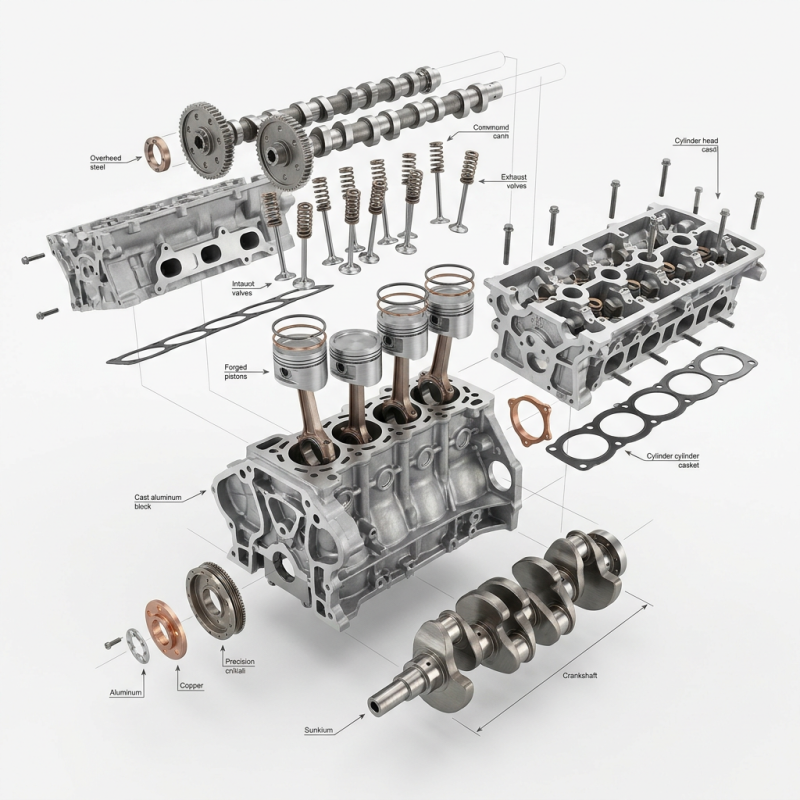
Beyond the fuel injection system itself, the design of the combustion chamber is equally critical to the effectiveness of the direct injection system. Parameters such as the number of injector nozzles, nozzle hole diameter, spray angle, and spray pattern must be precisely matched to the geometry of the piston’s combustion bowl. This alignment ensures that the injected fuel effectively utilizes the in-cylinder tumble and swirl airflows, resulting in a more uniform air-fuel mixture.
Improper spray dispersion can lead to fuel impingement on the cylinder walls—a phenomenon known as “wall wetting”—which increases carbon deposits and oil dilution while raising particulate emissions. An overly rich mixture in localized areas tends to produce black smoke, whereas an excessively lean mixture can elevate combustion temperatures and increase the formation of nitrogen oxides (NOx). Consequently, modern diesel engines frequently employ Computer-Aided Engineering (CAE) to simulate and analyze the combustion process. By continuously optimizing the combustion chamber shape and spray characteristics, engineers aim to ensure fuel atomization and combustion occur as fully as possible before contact with the cylinder walls, thereby achieving higher combustion efficiency and a more uniform distribution of thermal loads.
Effective combustion management not only boosts engine power and fuel efficiency but also significantly reduces thermal stress on critical components—such as pistons, cylinder heads, and valves—thereby enhancing the engine’s overall reliability and service life. These are key objectives in the design of modern, high-performance diesel engines.
In summary, modern diesel direct injection technology has evolved far beyond a simple fuel supply mechanism; it is now a comprehensive control system that integrates mechanical engineering, electronic control, fluid dynamics, and combustion science. From the high-pressure fuel pump establishing stable rail pressure and the ECU calculating real-time injection strategies based on parameters such as engine speed, load, and temperature, to the fuel injector precisely executing each injection event, the entire system collectively determines the diesel engine’s power performance, fuel economy, and emission levels.
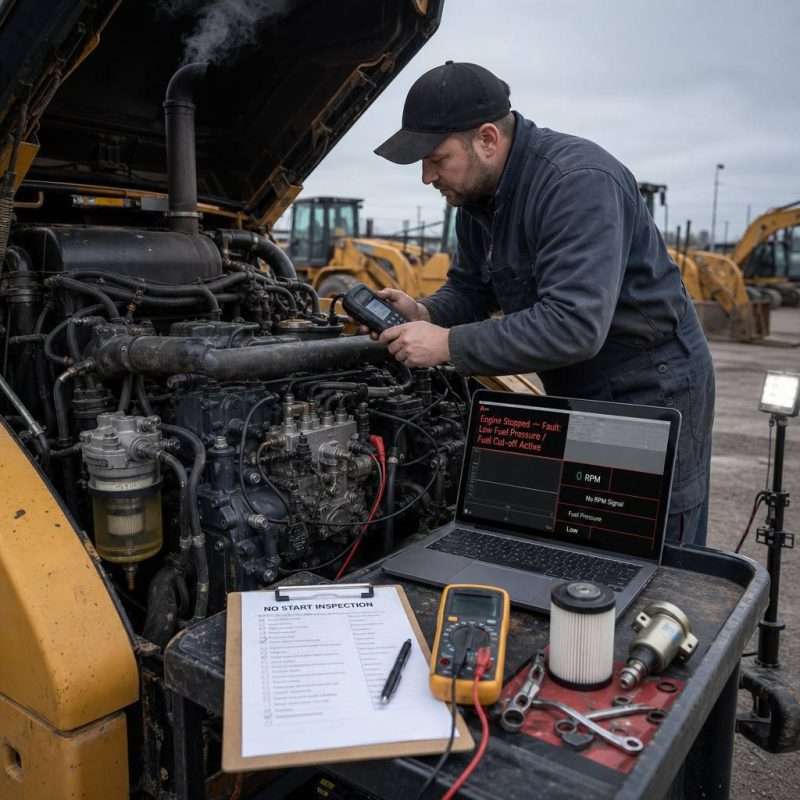
Operational precision is equally critical for the use and maintenance of the direct injection system. Issues such as carbon deposits on injectors, clogged nozzle orifices, insufficient common-rail pressure, degraded fuel quality, or abnormal injection control can disrupt the combustion balance, leading to reduced power, increased fuel consumption, worsened emissions, and even starting difficulties. Therefore, maintaining a clean fuel system, ensuring stable injection pressure, and regularly inspecting injector performance are essential measures for guaranteeing the long-term, stable operation of modern diesel engines.
Looking ahead, driven by advancements in higher injection pressures, intelligent control algorithms, and novel injector technologies, diesel engine fuel direct injection systems will continue to enhance combustion efficiency and emission performance, maintaining their indispensable role in sectors such as construction machinery, heavy-duty transport, agricultural equipment, and industrial power generation.
jianming machinery