Deutz F3L912 Engine: Technical Analysis and Application Value of Classic Air-Cooled, Direct-Injection Power


The Deutz F3L912 is a classic model from the company’s 912 series; it is an inline, three-cylinder, naturally aspirated, air-cooled diesel engine. In its model designation, “F” stands for air-cooled (Luftgekühlt), “3” indicates the number of cylinders, and “L” denotes the inline configuration. The engine features a long-stroke design—with a 100 mm bore and 120 mm stroke—resulting in a displacement of 2.827 liters and a compression ratio of 17:1. It delivers a rated power output of approximately 40 kW at 2,500 rpm, with a peak torque of roughly 163–185 Nm achieved in the low-speed range of 1,600 rpm. Its most distinctive technical feature is the fully air-cooled system: the engine block and cylinder head exteriors are cast with dense cooling fins to maximize heat dissipation surface area. An axial cooling fan mounted at the flywheel end forces cold air across these fins; combined with airflow guidance via a cooling shroud, the engine maintains thermal balance under continuous load without the need for water-cooling components such as radiators, water pumps, or coolant piping. This design grants the F3L912 exceptional environmental adaptability—eliminating concerns about coolant freezing in sub-zero temperatures and ensuring reliable operation in water-scarce deserts or remote work sites—making it a classic power choice for small excavators, loaders, air compressors, forklifts, and generator sets.
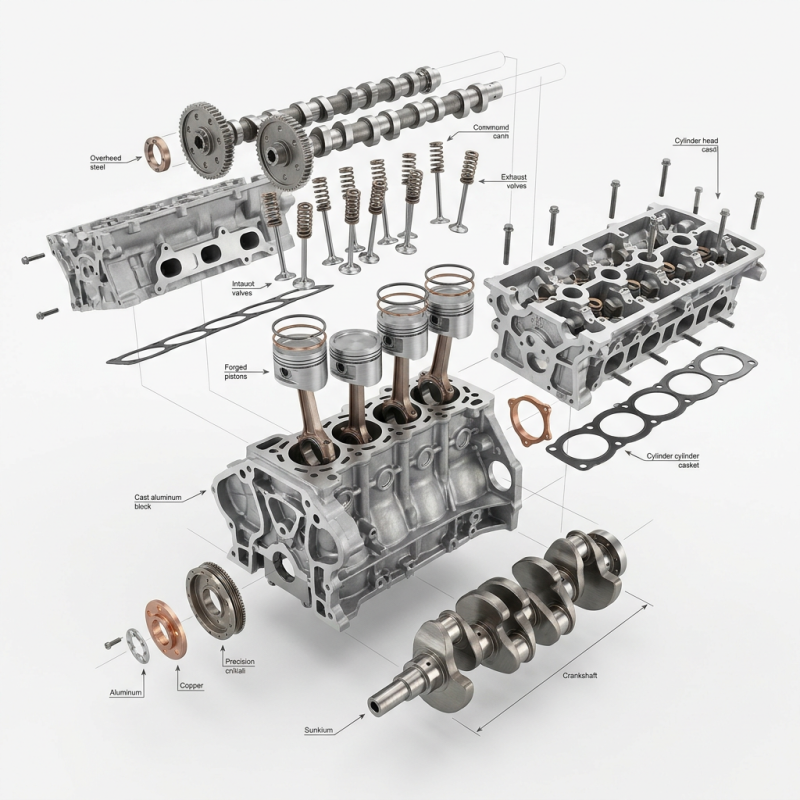
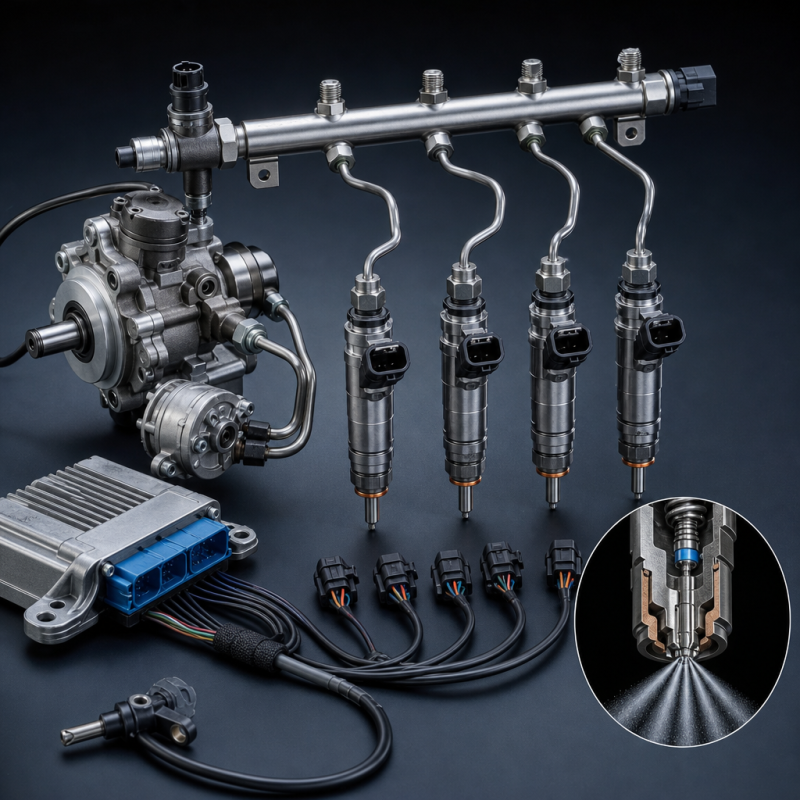
A detailed analysis of its combustion system and structural design reveals that the F3L912 utilizes a direct-injection combustion chamber, where fuel is injected directly into a recess in the piston crown. Compared to older swirl-chamber diesel engines, this combustion method offers higher thermal efficiency and lower fuel consumption. Coupled with the torque characteristics inherent to its long-stroke design, the engine delivers abundant, smooth power under low-speed, heavy-load operating conditions. The structural design of the F3L912 embodies Deutz’s engineering philosophy of simplicity and reliability; it features individual cylinder heads for easy servicing, roller-type valve tappets and replaceable valve seat inserts to reduce valvetrain maintenance costs, and reinforced ribbing on the crankcase and oil sump to ensure structural rigidity. As a classic model with a massive installed base after decades of service, the F3L912 benefits from a mature spare parts supply chain; core components—such as pistons, cylinder liners, valves, fuel injectors, and cooling fans—offer excellent interchangeability and availability, ensuring its continued vitality in both the used equipment and aftermarket sectors.
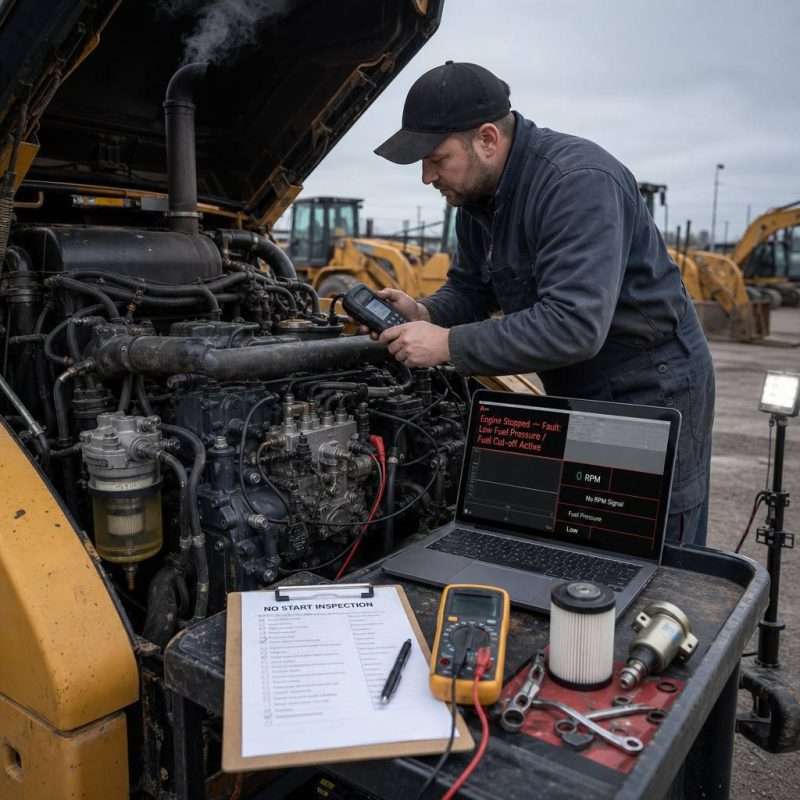
Regarding operation and maintenance, managing the F3L912 requires strict adherence to the specific demands of its air-cooled design. The cleanliness of the cylinder head cooling fins and the air shroud directly determines the engine’s heat dissipation capacity; for equipment operating in dusty environments, neglecting to clear dust accumulation between the fins can easily lead to cylinder head overheating, deformation, and blown head gaskets. Lacking the buffering effect of a liquid cooling system, air-cooled engines are more sensitive to fluctuations in oil quality and quantity. Since engine oil serves as both a lubricant and a vital heat dissipation medium, strictly changing the oil according to service intervals (using the correct specifications) and maintaining proper oil levels are crucial for preserving the F3L912’s thermal balance. Additionally, the fan belt tension and fan blade integrity must be checked regularly, as any reduction in cooling airflow typically manifests first as rising exhaust temperatures and a drop in power output. Understanding the technical characteristics and maintenance logic of this classic air-cooled engine enables users to make informed decisions regarding used equipment assessment, parts selection, and daily operations, thereby fully leveraging its unique advantages: simple construction, high adaptability, and ease of maintenance.
jianming machinery