Classification of Engine Fault Severity Levels

In industrial power engineering, the classification of engine faults is not arbitrary but follows a rigorous risk assessment and emergency response matrix. This matrix typically categorizes faults—ranging from minor auxiliary system anomalies to catastrophic mechanical failures—based on three core dimensions: the impact on productivity, the reversibility of component damage, and environmental or safety hazards. This allows management to make immediate maintenance decisions.
Level 1 faults are classified as “minor performance monitoring anomalies.” These typically involve deviations beyond preset parameters while the system continues to deliver stable output—such as slight sensor drift, minor leaks in non-critical areas, or sporadic, uncertain alerts from electronic monitoring systems. Such faults generally do not disrupt immediate operations or cause irreversible mechanical wear, falling squarely into the category of “preventive maintenance.” Response strategies usually involve data verification during scheduled downtime or simple fixes like cleaning interfaces and tightening connectors; their primary purpose is to alert technicians to potential wear trends in specific components.
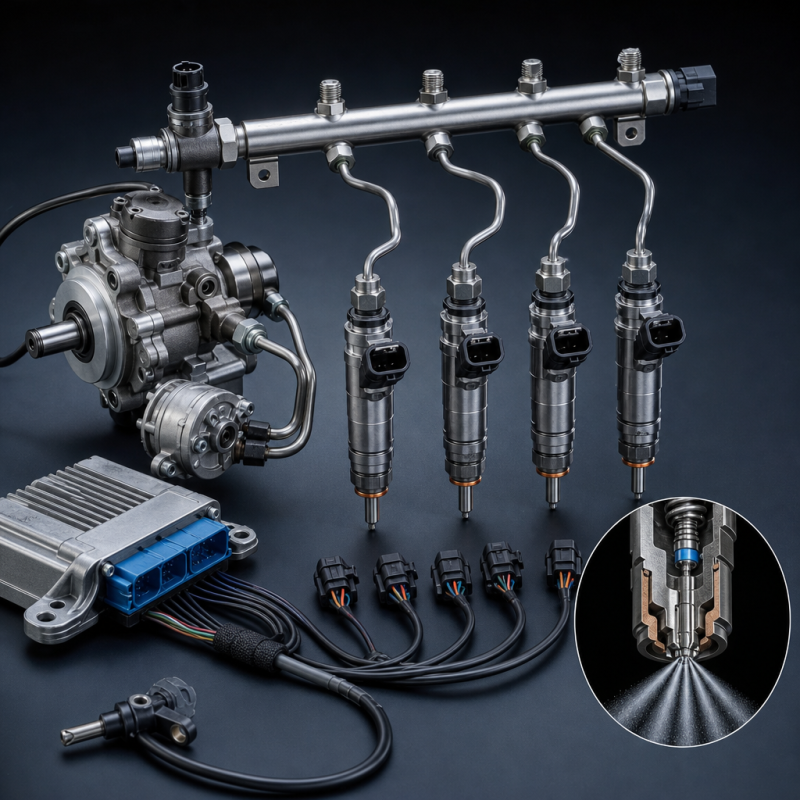
Level 2 faults are defined as “maintenance-requiring anomalies with performance limitations.” While the engine remains operational, output characteristics show significant degradation, or the system has triggered mandatory torque-limiting protection mechanisms. Examples include insufficient intake pressure caused by turbocharger compressor blade wear, or cold-start difficulties and localized black exhaust smoke resulting from poor fuel injector atomization. Although the equipment can complete its remaining operational cycle, the engine’s thermal and mechanical loads have deviated from safe design limits; without timely intervention, Level 2 faults can easily escalate to Level 3. The core response strategy is “short-term remedial maintenance”—scheduling targeted repairs in the near future without causing a complete production line stoppage. Continued overload operation while the fault alert is active is strictly prohibited to prevent a catastrophic, cascading failure of the powertrain.
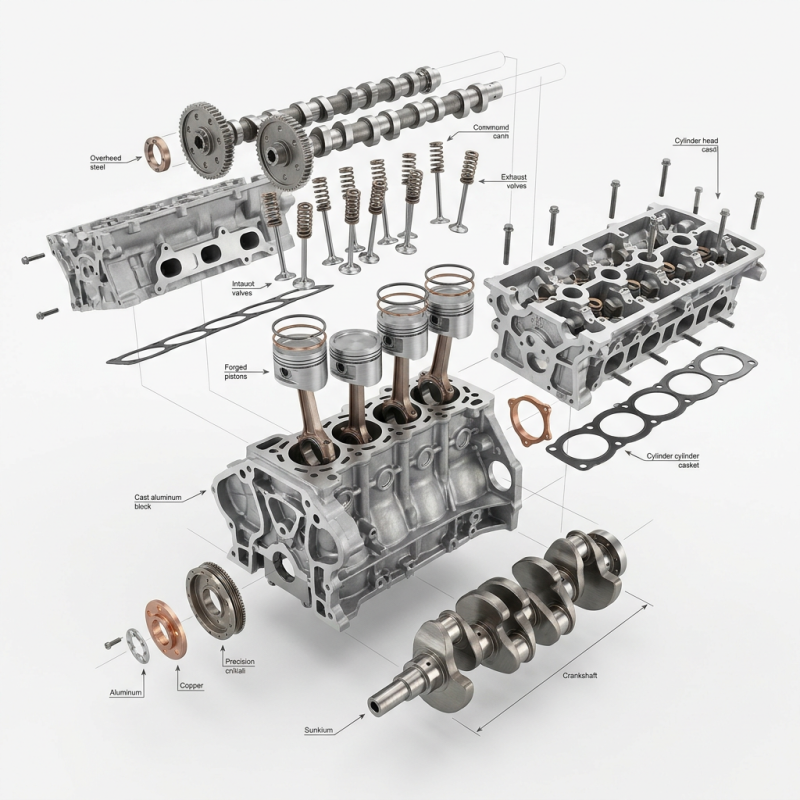
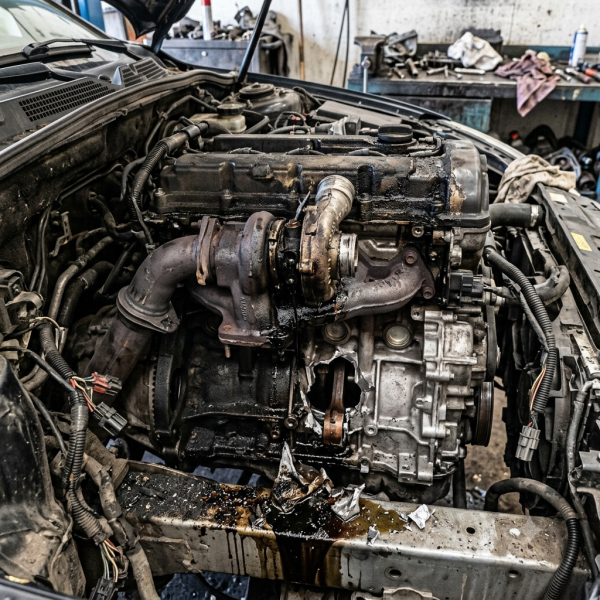
Level 3 faults represent “catastrophic functional failures.” Such faults signify a total loss of the engine’s power output capability and carry the risk of devastating, irreparable damage to the engine core itself. Symptoms of such failures include severe crankshaft bearing seizure, cylinder liner scoring, piston crown melting, massive ingress of engine coolant into the lubrication system, and a complete inability to start the engine due to ECU burnout. These failures are typically accompanied by distinct abnormal noises, violent vibrations, or major fluid leakage; the required response is immediate shutdown, as any attempt to force continued operation can ruin core precision components—such as the engine block and crankshaft—escalating the situation from a localized repair to a major overhaul or even total engine replacement. Post-incident investigation usually involves disassembling the unit and analyzing metal particles in the lubricating oil to reconstruct the physical sequence of events that triggered the failure.
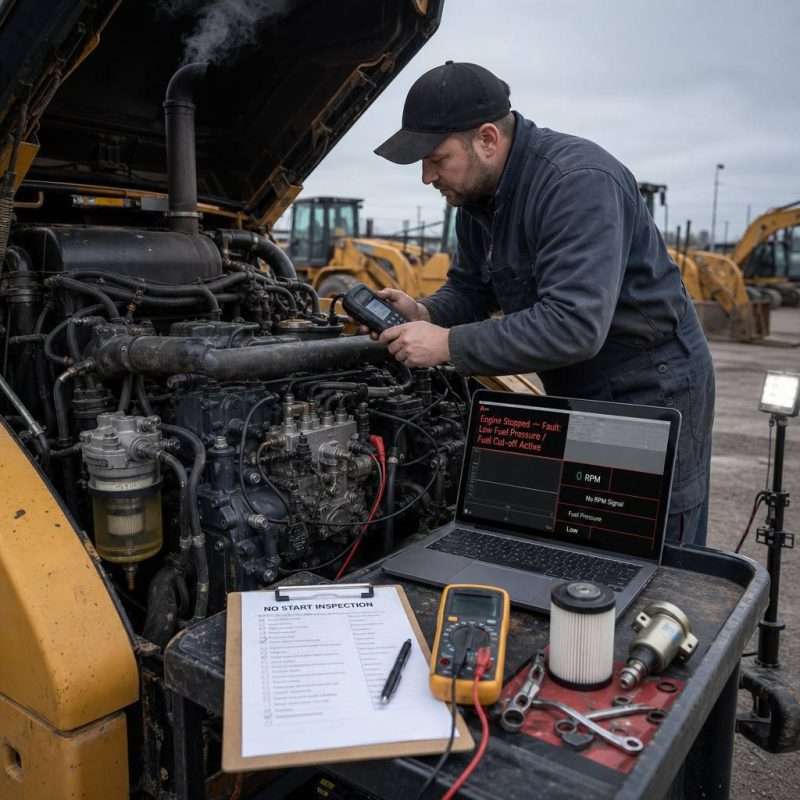
In modern engineering fleet management, alongside the aforementioned failure classifications for the mechanical assembly itself, there is a separate assessment system for digital exhaust after-treatment systems—specifically addressing environmental alerts caused by issues such as DPF (Diesel Particulate Filter) clogging or SCR (Selective Catalytic Reduction) urea injection system malfunctions. This classification is directly linked to legal compliance: the progression from advisory alerts to mandatory speed and power limitations, and finally to engine ignition lockout, constitutes a third category of failure—one that is non-mechanical in nature. In practice, assessing these failure levels requires not only relying on On-Board Diagnostics (OBD) fault codes but also—and more importantly—having technicians make comprehensive judgments based on oil pressure, air pressure, temperature profiles, and combustion feedback. If you are currently dealing with a specific fault alert, identifying its classification is a prerequisite for effectively balancing the costs of downtime against the risks of a major overhaul.
jianming machinery