Basic Engine Maintenance Guide

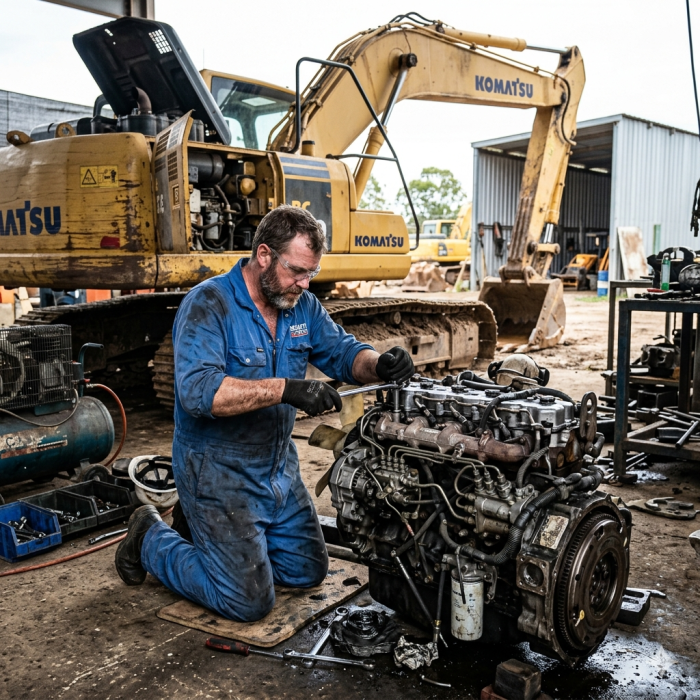
Although an engine is a complex machine composed of hundreds or even thousands of precision parts, its basic maintenance and upkeep logic is actually quite clear: maintain lubrication, control temperature, and ensure clean air and fluids. Whether it’s a common gasoline engine or a heavy-duty diesel engine, preventative maintenance is always more economical and safer than reactive repairs.
Here’s a summary of the core guidelines for basic engine maintenance:
- Lubrication System: The Engine’s “Blood”
Regularly change the engine oil and oil filter: This is the most important step in extending engine life. Engine oil is responsible for lubrication, heat dissipation, sealing, and cleaning internal parts. With high-temperature operation, engine oil oxidizes, deteriorates, and accumulates metal debris and carbon deposits, losing its protective function.
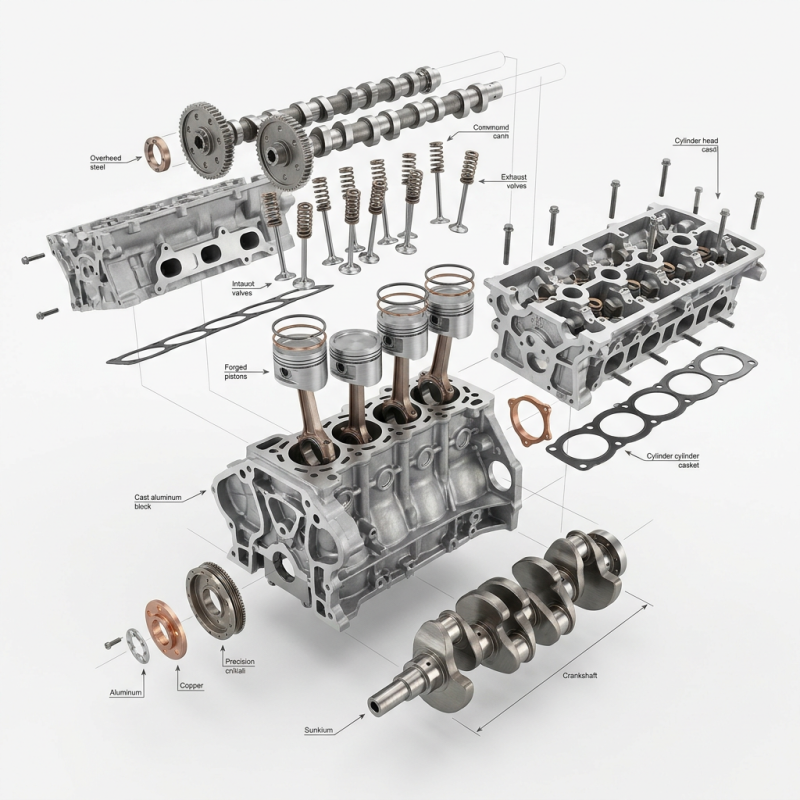
Regularly check oil level and quality: Develop the habit of regularly checking the oil level with the dipstick. Ensure the fluid level is between the MIN and MAX marks. Too much oil can lead to excessive crankcase pressure and oil burning, while too little oil can cause dry friction in core components, even leading to catastrophic damage such as cylinder scoring or bearing seizure.
- Cooling System: The Engine’s “Body Temperature Regulation”
Coolant (Antifreeze) Maintenance: Coolant not only prevents freezing, but more importantly, it raises the boiling point and prevents rust and corrosion in the cylinder block’s internal water passages. Never use tap water instead of antifreeze for extended periods. Replace it completely according to the manufacturer’s manual’s recommended time or mileage (usually 2-4 years).
Pipe and Radiator Inspection: Regularly squeeze the rubber hoses to check for aging, hardening, or bulging; check the radiator (water tank) surface for leaves, catkins, or insects clogging it, as this will severely affect airflow cooling efficiency.
- Intake and Fuel System: The Engine’s “Breathing and Feeding”
Air Filter: For every liter of fuel consumed, the engine needs to draw in approximately 10,000 liters of air. A clogged air filter will cause a sharp increase in intake resistance, incomplete combustion, increased fuel consumption, and reduced power. In windy, sandy, or heavily dusty environments, the inspection or cleaning cycle should be shortened.
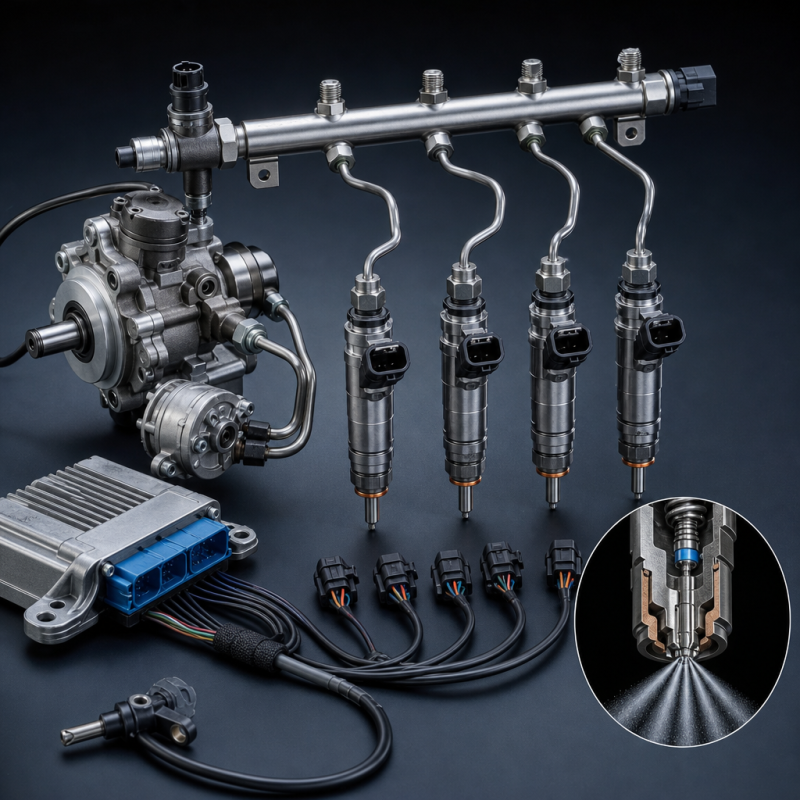
Fuel Filter: Responsible for intercepting tiny impurities in the fuel. This is especially critical for modern diesel engines. Moisture and particulate matter in diesel fuel can instantly wear down the extremely delicate high-pressure common rail injectors. Therefore, diesel engine water separators require regular draining and strict adherence to filter replacement schedules.
- Ignition and Transmission System: The Engine’s “Nerves and Muscles”
Spark Plugs (Gasoline Engines Only): Responsible for igniting the air-fuel mixture in the cylinder. Electrode erosion can lead to weakened ignition energy, engine idling vibration, sluggish acceleration, and even misfires. Depending on the material, replacement intervals range from 20,000 to 100,000 kilometers.
Belt Drive Assembly: Regularly inspect the accessory belts of the alternator, water pump, and air conditioning compressor for cracks and aging. More importantly, if your engine uses a rubber timing belt instead of a metal chain, strictly adhere to the replacement schedule in the maintenance manual. If the timing belt breaks while driving, the piston will directly impact and bend the valves, causing the engine to be rendered unusable.
- Routine “Look, Smell, and Listen” Diagnostic Method
Look: After moving the vehicle, observe the ground where it was originally parked for any unexplained oil or water stains (excluding clear, odorless air conditioning condensate). Antifreeze is usually colored and feels slippery, while engine oil is dark brown.
Smell: During operation, check for a pungent, burnt smell (potentially a slipping belt or overheated wiring), or a strong smell of raw gasoline/diesel (be wary of potential fire hazards caused by minor fuel line leaks).
Listen: Pay attention to any abnormal metallic knocking sounds during cold starts or acceleration (potentially excessive valve clearance or worn bearings), a high-pitched whistling sound from the belt, or a sputtering or leaking sound from the exhaust pipe.
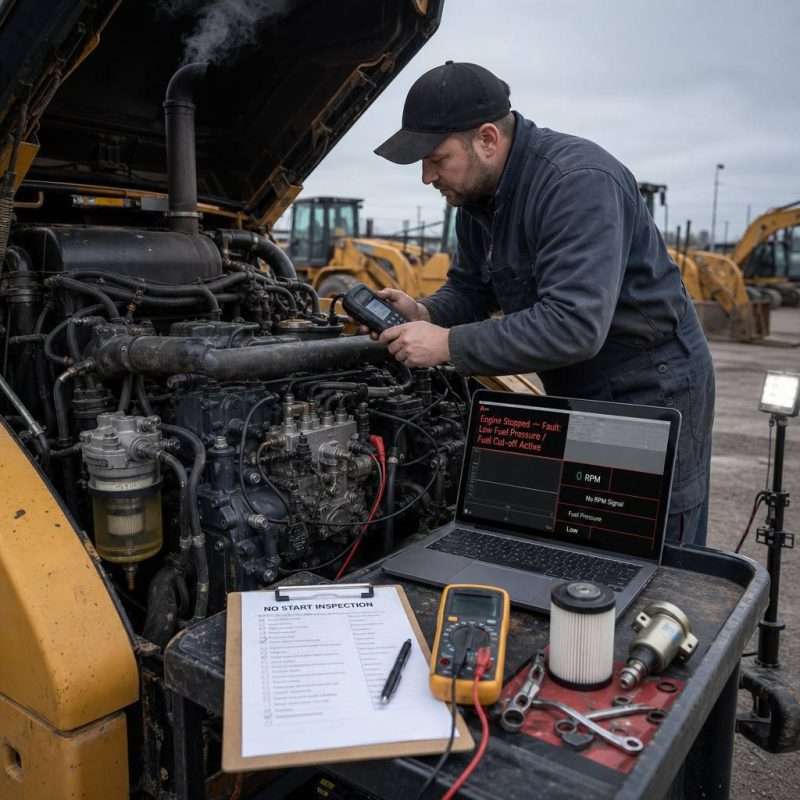
🛠️ Basic Mechanical Engineering Tip: Basic fluid checks and filter replacements fall under the scope of routine maintenance and can be performed independently with a little learning. However, any work involving timing system alignment, cylinder head disassembly, reassembly of core moving parts, or calibration of high-pressure fuel systems requires extremely high mechanical precision, specialized calibration tools, and strict control over torque. Blindly disassembling and repairing beyond one’s technical capabilities often leads to irreversible secondary damage.