Analysis of the core mechanical structure and quality standards of industrial power transmission

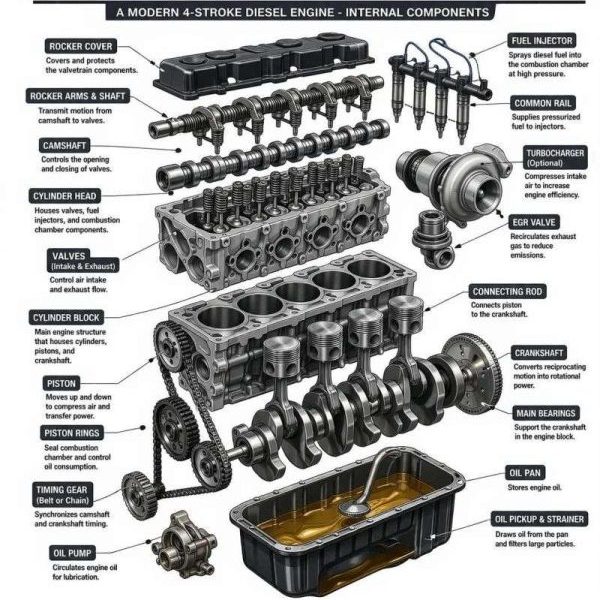
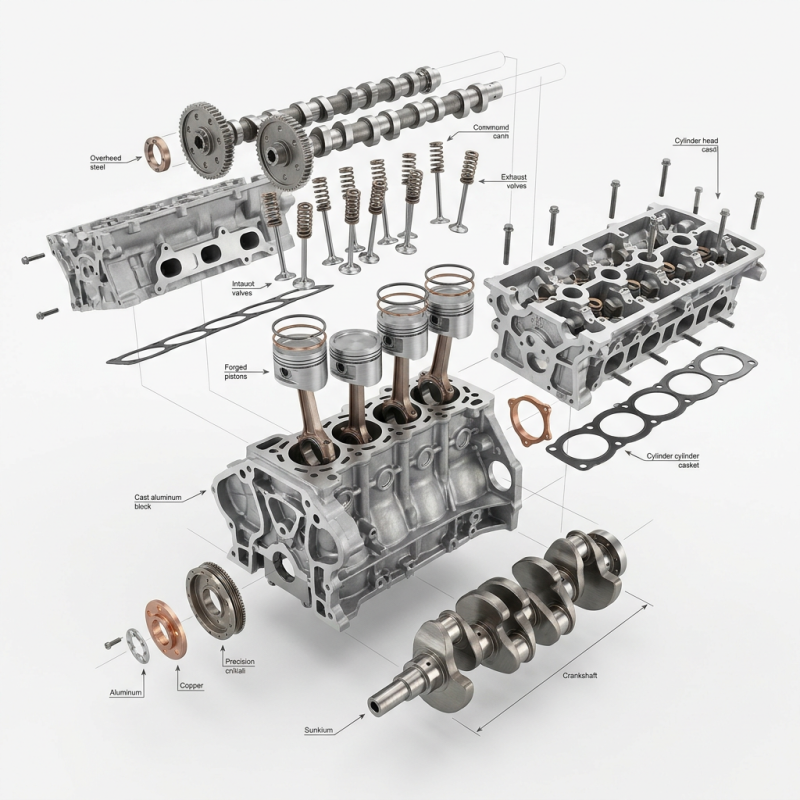
In the core structure of an internal combustion engine, the piston and connecting rod combination is the most critical mechanical unit for energy conversion. Its manufacturing precision and material strength directly determine the engine’s power ceiling and service life. The high-performance piston assembly shown in the image is a power transmission device specifically designed for heavy-duty industrial engines. As a moving part that directly bears the pressure of combustion, the piston is typically precision-cast from high-strength aluminum alloy or alloy cast iron. Its top undergoes special thermodynamic optimization design to ensure optimal fuel mixing and combustion within the cylinder. During the power stroke, the piston top surface bears extremely high instantaneous pressure and thermal load, which is transmitted to the connecting rod via the piston pin. For these precision parts supplied by Jianming Machinery, their skirts typically have a wear-resistant coating to reduce the coefficient of friction during reciprocating motion and prevent cylinder scoring under high-temperature and high-pressure conditions. Understanding the micron-level fit clearance of this component is a core task for every senior mechanic during engine overhauls, because any minute dimensional deviation or imbalance can lead to severe mechanical vibration or even catastrophic connecting rod breakage.
A closer look at the engineering details of the connecting rod mechanism reveals that, as the “skeleton” connecting the piston and crankshaft, it bears complex alternating loads during high-speed operation. The I-beam cross-section connecting rod shown in the image utilizes an optimal strength-to-weight ratio design from structural mechanics, ensuring bending resistance under thousands of atmospheres of pressure while minimizing the inertial mass of reciprocating components. The precision bearing mating surfaces on the big end of the connecting rod require extremely high standards of roundness and roughness to ensure a continuous lubricating oil film during high-speed rotation, avoiding direct metal-to-metal contact friction. In Jianming Machinery’s quality standards, each piston-connecting rod assembly must undergo rigorous dynamic balancing and weighing to ensure that the mass difference between cylinders is minimized, thereby eliminating centrifugal force imbalances at high speeds. This extreme pursuit of mechanical integrity not only improves engine response speed but also significantly extends the service life of crankshaft main bearings and cylinder liners. For purchasers seeking high-reliability power solutions, paying attention to the preload torque of the connecting rod bolts and the tension distribution of the piston rings is a key aspect of ensuring the engine maintains peak performance throughout its entire lifespan.
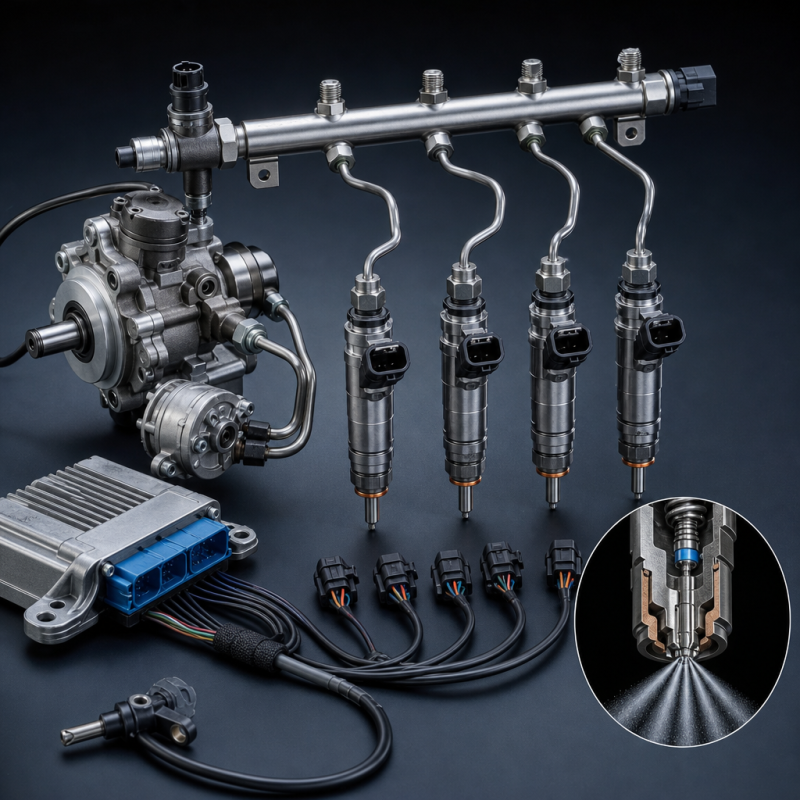
A detailed breakdown of the components in the images reveals that the evolution of industrial engines towards high-pressure common rail and forced turbocharging places higher demands on the wear resistance of piston ring grooves and the load-bearing capacity of connecting rod bushings. Whether for routine maintenance of agricultural machinery or deep refurbishment of large construction equipment, providing a set of parameter-matched, high-quality piston and connecting rod assemblies is always the optimal choice to ensure equipment operating efficiency.
jianming machinery