Analysis of the causes and prevention methods for excessive oil consumption in Kubota engines

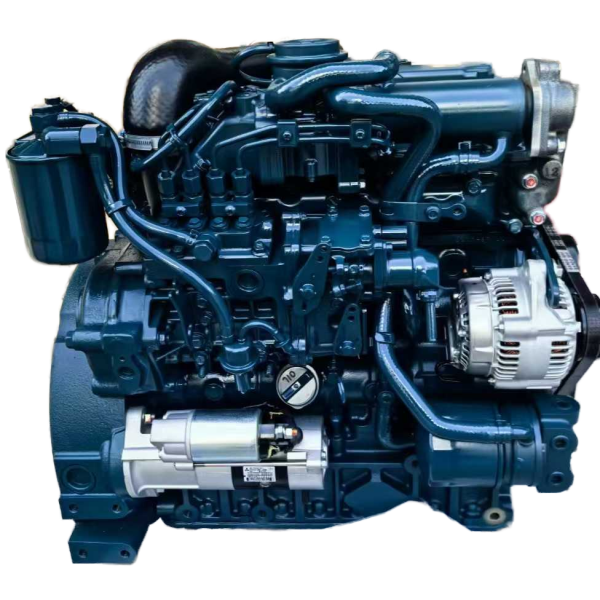
Kubota engines, a common type used in mechanical equipment, play a vital role in over 100 different engineering projects worldwide. However, during operation, certain issues often arise that cause headaches for engine owners. Below is a simple analysis of the causes and preventative measures for a common oil consumption problem in Kubota engines for your reference.
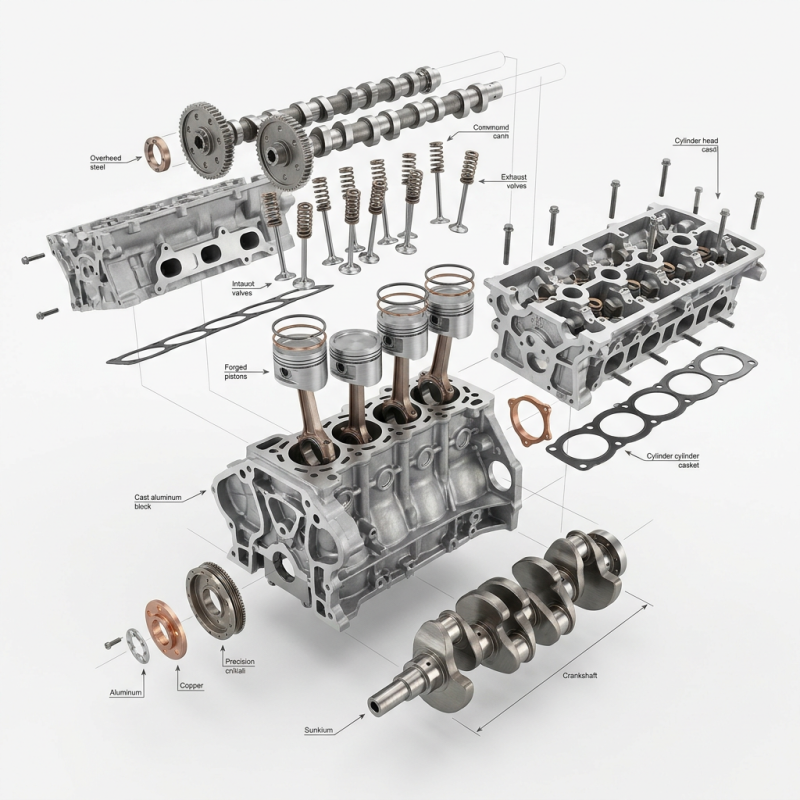
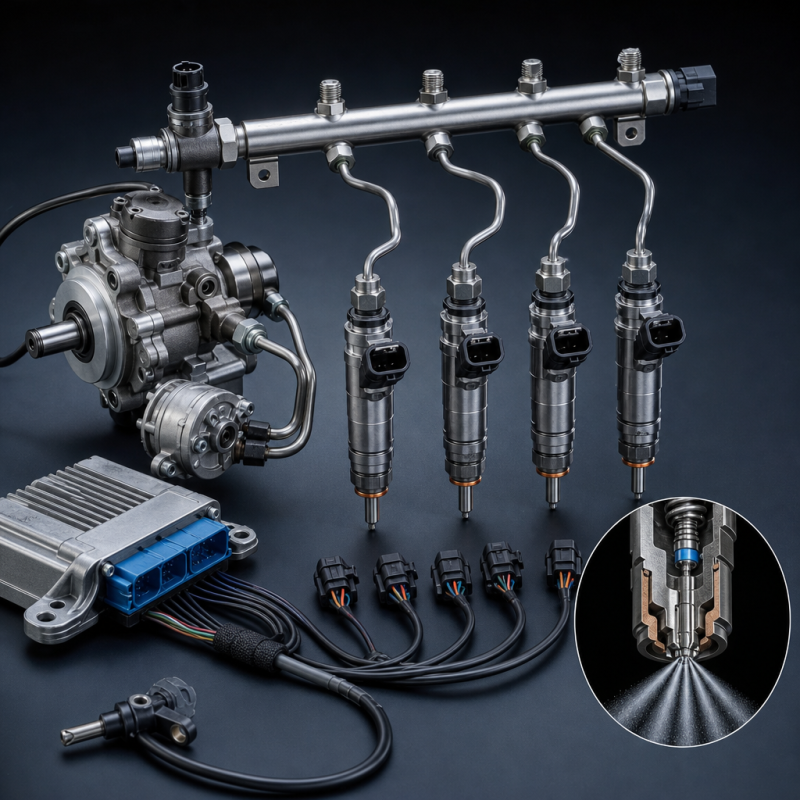
First, an engine is a high-speed, internally rotating machine. The cylinder block and crankshaft, connecting rod mechanism, cylinder head and valve train, intake and exhaust systems, fuel system, lubrication system, and speed control system all move relative to each other and therefore require lubrication. It could be said that the lubrication system is the engine’s “circulatory system,” an indispensable component. Problems can range from frequent oil changes to serious malfunctions such as stalling and starting difficulties, which seriously impact production and significantly shorten the machine’s lifespan.
In practice, many factors can lead to excessive oil consumption in Kubota engines. Below, we will analyze these factors individually:
- There is a clearance between the intake and exhaust valve stems and the valve guides. A small amount of oil must pass through the valve stem seals to prevent the valves from seizing in the guides. The high-speed movement of the valves within the guides requires lubrication, which inevitably leads to some oil consumption.
- To ensure better oil adhesion and improved lubrication, the engine cylinder liners are specially machined with fine grooves, facilitating the relative movement of the piston rings and the liner.
- Piston-to-cylinder wall clearance: As the piston rings rise, the residual lubricating oil film on the cylinder wall enters the combustion chamber and is burned off.
- The engine constantly vibrates and operates, resulting in constant fluctuations in oil level. Furthermore, the engine typically uses splash lubrication for the cylinder liners, and the cylinder block temperature is very high, naturally leading to the formation of oil mist that escapes through the exhaust system.
- Natural wear. As the engine ages, typically over 8,000 hours, wear between the piston and cylinder gradually increases, causing blowby and oil combustion. If the valve seals are damaged, oil combustion will be even more pronounced.
Improper operation and maintenance are also causes of excessive engine oil consumption:
- Some users neglect scheduled maintenance (i.e., postpone it), leading to excessive engine oil contamination. Impurities in the oil accelerate wear on engine cylinders and other components.
- Overfilling the engine with oil or running the engine at excessive angles can cause some oil to enter the cylinders and burn.
- Incorrectly selected air filters, oil filters, and engine oil can prevent proper cleaning of impurities entering the cylinders. Various dust particles can enter the cylinders, leading to cylinder wear and increased engine oil consumption. Low-quality oil filters are unable to effectively filter out impurities. Counterfeit motor oil or oil of the wrong grade for the engine does not form a high-quality lubricating film on the engine’s friction surfaces, causing problems ranging from blowby to cylinder scuffing.
- Using low-quality diesel fuel with excessive amounts of impurities can also lead to incomplete combustion, excessive carbon deposits in the combustion chamber, and excessive wear of cylinder liners and piston rings, which naturally increases engine oil consumption. 5. Excessive contamination of the coolant reservoir. A dirty radiator and condenser reduce ventilation and heat dissipation, raising the engine’s normal operating temperature. Excessively high temperatures reduce the quality of the oil film formed by friction, accelerating cylinder wear.
- After prolonged operation at high power, abnormal oil or coolant temperatures can reduce the elasticity of piston rings and sealing, preventing proper removal of oil from the working surfaces and causing oil consumption. 7. Excessive engine idling and low oil pressure lead to inadequate lubrication of many internal engine parts, which inevitably leads to wear of cylinder liners and other components. This, naturally, increases oil consumption.
- Damaged turbocharger seals or clogged oil return lines can cause oil to leak from the turbocharger seal into the atmosphere or enter the combustion chamber through the intake manifold and be burned.
Therefore, oil consumption in Kubota engines is a complex issue with many possible causes. If the engine is indeed burning oil, the primary cause is excessive wear of internal engine components, which can only be completely eliminated by overhauling and replacing the four main components (engine parts, transmission parts, and fuel system).
So, how do you prevent oil consumption in Kubota engines?
- Based on our many years of experience in the construction equipment industry:
70% of engine wear occurs during starting, especially during cold starts, resulting in significant wear. Only 30% of wear occurs during operation. Therefore, the correct lubricating oil plays a crucial role in protecting the engine during cold starts. Users must use engine oil that meets engine specifications.
Many car owners don’t read the engine owner’s manual, and some don’t even know the quality and viscosity grade of the engine oil used in their vehicles after many years of use, demonstrating significant carelessness in oil selection. When using engine oil, pay attention to both its quality and viscosity characteristics. These two characteristics must meet engine operating requirements.
- Proper Cold Start Method
After starting the vehicle, let the diesel engine idle for several minutes (depending on the engine and ambient temperature) until the oil reaches a certain temperature and pressure. This will improve its flow and ensure proper lubrication of the turbocharger bearings. Only then can you increase the engine speed and begin driving or working. This is especially important in cold weather.
For vehicles that have been idle for a long time (e.g., several days), before starting, loosen the turbocharger oil filler neck and add the required amount of engine oil of the same grade as the oil in the oil pan to prevent the rotor shaft from burning out due to insufficient lubrication during startup.
- Proper Engine Shutdown Method
If a diesel engine running at high RPMs suddenly shuts off, the circulation of engine oil in the turbocharger immediately stops due to the oil pump stopping. However, the turbocharger rotor shaft will continue to rotate at high speed due to inertia, which can easily lead to oil starvation and bearing seizure.
Furthermore, the exhaust manifold of a diesel engine operating under load reaches very high temperatures. If it suddenly stops, this heat will be transferred to the turbocharger housing, melting stagnant oil and forming carbon deposits.
The accumulation of carbon deposits can clog the oil filler neck, causing insufficient lubrication of the bearings. Even if the oil filler neck is not blocked, carbon deposits will accelerate bearing wear. The proper way to shut down the engine is to let it idle for 3-5 minutes before turning it off.
- Avoid frequent, sharp acceleration and prolonged operation at high speeds.
Operating the engine at high speeds can easily lead to oil film breakdown, resulting in poor lubrication and dry friction in rotating parts. With frequent operation, this will lead to abnormal engine wear and oil consumption. Therefore, operating the excavator in economy mode is one of the best ways to prevent oil consumption.
- Users must operate the engine according to Kubota engine specifications:
For example, the engine coolant temperature should be above 30 degrees Celsius before operating under load; excessive tilt angles should be avoided; high-quality fuel should be used; and the cooling system should be kept clean.
In short, users must use the engine correctly and perform preventive maintenance to prevent excessive oil consumption.