An Explanation of Key Parameters for Diesel Engine Selection


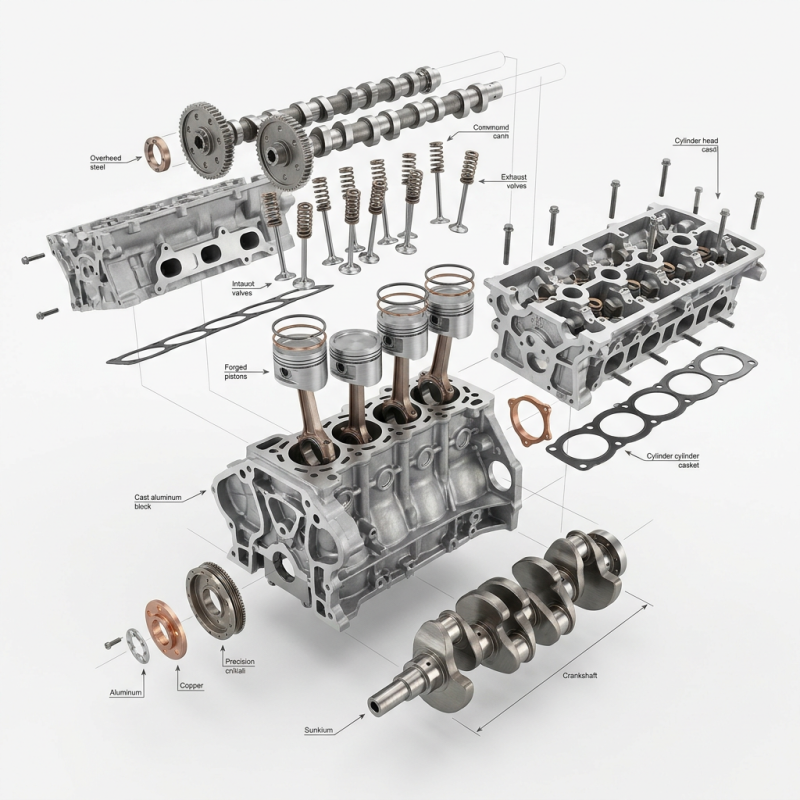
Selecting a diesel engine ultimately hinges on the accurate interpretation of various technical parameters; the interrelationships between these parameters determine how well a specific model aligns with equipment requirements, making an understanding of the physical significance of each parameter a prerequisite for a rational choice. Displacement and rated power are the most intuitive indicators in the selection process, yet their relationship requires careful interpretation: power is the result of the interplay between displacement, rotational speed, and intake air mass. For a given power output, a large-displacement, low-speed engine often offers superior torque reserve and longevity, whereas a small-displacement, high-speed engine trades compactness for power output—albeit at the cost of higher mechanical loads and greater sensitivity to rotational speed. Rated speed must align with the operational speed requirements of the driven equipment; for instance, generator sets operating at constant speeds demand stable governing characteristics and optimal fuel efficiency at 1,500 or 1,800 rpm, whereas construction machinery driving hydraulic systems prioritizes torque output within the mid-range speed band. Mismatched speeds can constrain transmission ratio design or compromise fuel economy.
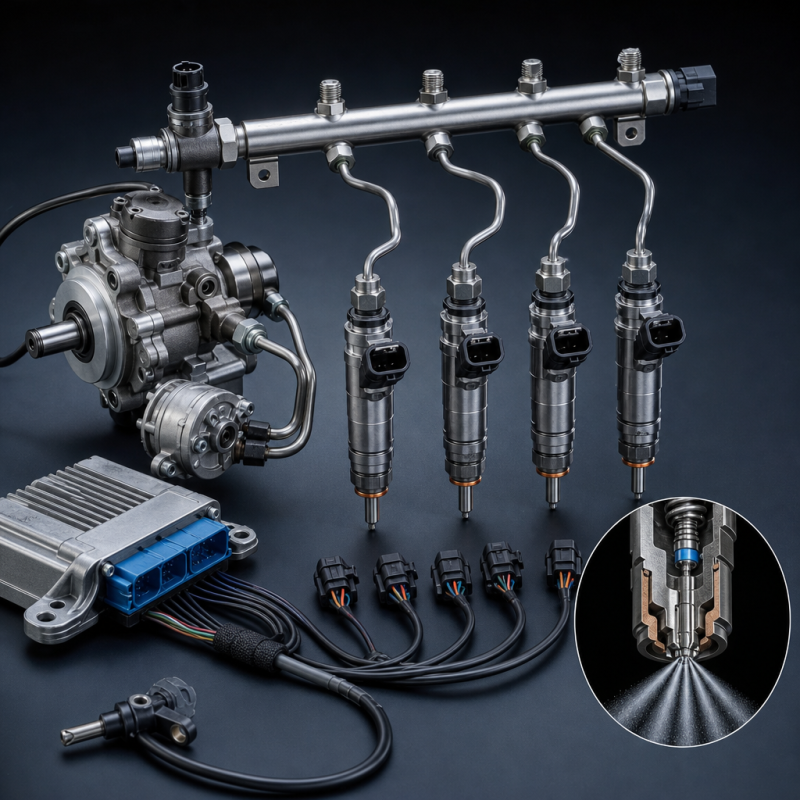
Regarding intake and cooling system parameters, an engine’s technical configuration directly dictates its environmental adaptability and power derating characteristics. The choice of intake system should be based on operating altitude and power requirements: naturally aspirated engines feature simple construction, lower costs, and immediate response, making them suitable for low-altitude applications with moderate power demands; turbocharged engines increase intake air density via compression, enabling high power output from small displacements and offering altitude compensation capabilities; and turbocharged, intercooled engines further lower intake temperatures—enhancing volumetric efficiency and combustion quality—making them ideal for heavy-duty, continuous operations. Selecting a cooling system requires balancing the operating environment against heat dissipation needs: water-cooled systems offer stable heat dissipation and precise temperature control, making them the standard choice for high-power, continuous-duty equipment, despite their complex structure and reliance on coolant; conversely, air-cooled systems eliminate the need for coolant and excel in extremely cold or water-scarce environments, though their heat dissipation performance is heavily influenced by ambient temperature, resulting in a lower maximum power ceiling. Furthermore, the technical configuration corresponding to the specific emissions stage must be clearly defined during the selection process; requirements for fuel systems and after-treatment devices vary significantly across stages, directly impacting procurement costs and the complexity of operation and maintenance.
Regarding the final assessment of installation interfaces and compatibility, the engine’s mechanical interface parameters often determine the feasibility of its integration into the target equipment; details that are frequently overlooked can become the direct cause of selection failure. Flywheel housing specifications and flywheel ring gear dimensions must match the input of the transmission or generator—as interface dimensions vary across different standards, installation drawings require advance verification. The location and output power of the Power Take-Off (PTO) determine the ability to drive auxiliary equipment, such as hydraulic pumps or compressors. Meanwhile, the engine’s overall dimensions, mounting points, and weight directly influence equipment layout and axle load distribution—factors that are particularly critical in retrofit or engine replacement projects. Accessibility for routine maintenance—such as the ease of access to filters, oil fill ports, drain plugs, and inspection windows—must also be evaluated, as this significantly affects daily servicing efficiency. Understanding these key technical indicators—ranging from power parameters and environmental adaptability to installation interfaces—and cross-referencing them with the equipment’s actual requirements is essential to ensuring the selected diesel engine aligns perfectly in terms of performance, adaptability, and ease of integration.