A Detailed Explanation of the Working Principle of Diesel Engines


To understand the working principle of a diesel engine, one must first grasp the fundamental difference between it and a gasoline engine: diesel engines do not rely on spark plugs for ignition. Instead, they utilize the high temperatures generated by the intense compression of air to cause the diesel fuel to spontaneously ignite and burn—a process known as compression ignition. This process is made possible by the diesel engine’s extremely high compression ratio; as the piston compresses the air within the cylinder to roughly one-twentieth of its original volume, the gas temperature skyrockets to several hundred degrees Celsius—far exceeding the auto-ignition temperature of diesel fuel. When fuel is injected into the cylinder at this moment, it ignites spontaneously without the need for any external ignition source. This principle dictates the fundamental structural differences between diesel and gasoline engines: while diesel engines lack an ignition system, they require greater structural strength and high-pressure fuel injection systems to withstand combustion intensity and peak pressures that far surpass those of gasoline engines. Mastering the core logic of “compressing air first, injecting fuel later, and relying on high-temperature auto-ignition” unlocks the key to understanding the entire diesel engine operation cycle.
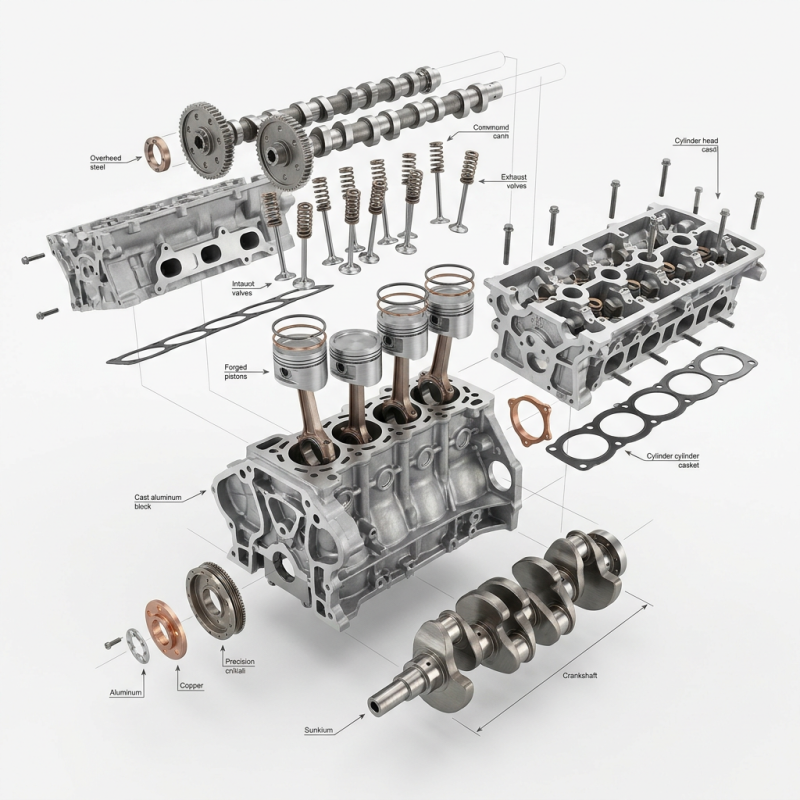
Once the principle of compression ignition is understood, the actual operation of a diesel engine follows the classic four-stroke cycle, with each stroke performing a specific function in a tightly linked sequence. The first is the intake stroke: the piston moves from Top Dead Center (TDC) to Bottom Dead Center (BDC), the intake valve opens while the exhaust valve closes, and the cylinder volume expands to create negative pressure, drawing in fresh air. At this stage, the cylinder contains only air and no fuel—a significant difference from the intake phase of a gasoline engine. The second is the compression stroke: both intake and exhaust valves are closed, and the piston moves upward, compressing the air into a very small volume. The gas pressure and temperature rise sharply, exceeding the auto-ignition point of diesel fuel and storing the energy required for the subsequent combustion. The third stage is the power stroke: as the piston approaches top dead center, a high-pressure injector sprays atomized diesel into the superheated air. The fuel spontaneously ignites and expands violently; the resulting high-temperature, high-pressure gases force the piston downward, driving the crankshaft to rotate via the connecting rod. This is the only phase in the cycle that produces usable power. The fourth stage is the exhaust stroke: the piston moves upward again, and the exhaust valve opens to expel combustion gases from the cylinder, preparing the engine for the next cycle. Upon completion of these four strokes, the crankshaft has rotated exactly twice; the cycle then repeats, ensuring continuous power output.
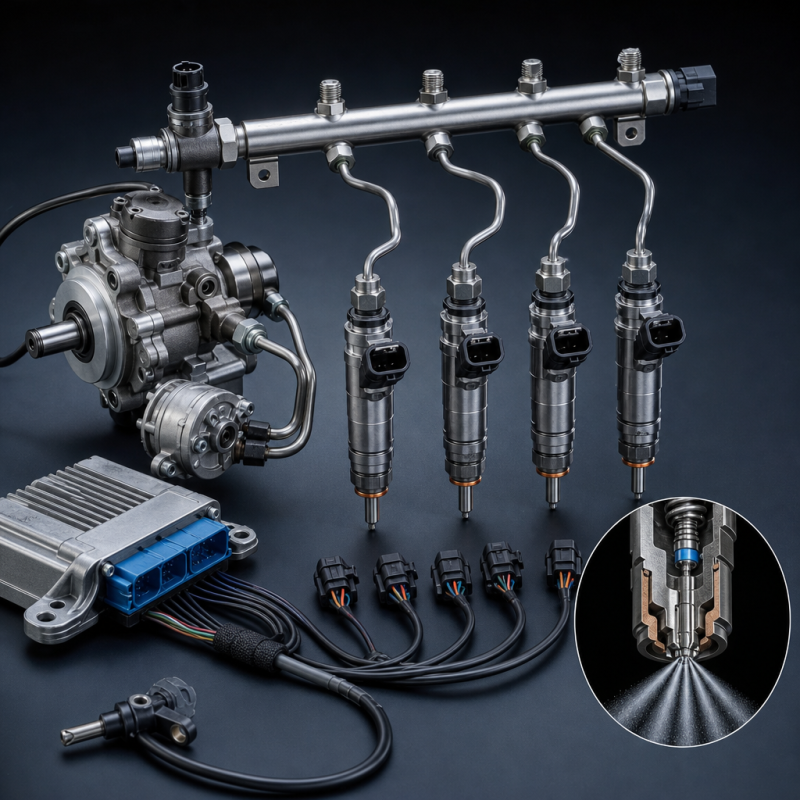
For these four strokes to operate stably and efficiently, the diesel engine relies on the precise coordination of multiple systems; understanding the specific roles of these systems helps build a comprehensive picture of the engine as a whole. The fuel system pressurizes diesel from the tank and delivers it to the injector, spraying it into the combustion chamber with precise timing and pressure—with the high-pressure pump or common-rail system serving as the core component for generating injection pressure. The intake and exhaust system supplies the cylinder with ample, clean air and expels exhaust gases; a turbocharger enhances intake air density by recovering energy from the exhaust, thereby promoting more complete combustion. The lubrication system uses an oil pump to deliver engine oil to the friction surfaces of moving parts—such as pistons, connecting rods, and the crankshaft—forming a protective film that reduces wear and dissipates heat. Meanwhile, the cooling system circulates coolant to maintain the engine within an optimal temperature range, preventing component damage caused by overheating. Additionally, the starting system uses a starter motor to rotate the crankshaft, enabling the engine to transition from a stationary state into its first cycle. It is the close cooperation of these systems that allows the diesel engine to continuously execute the “intake, compression, power, and exhaust” cycle, steadily converting the chemical energy of fuel into the rotational power needed to drive various types of machinery—which is precisely why diesel engines are widely used in heavy equipment such as excavators, trucks, ships, and generator sets.
jianming machinery