What are the effects of excessively high engine speed? An in-depth analysis of the damage high RPM causes to diesel engines.


In sectors such as construction machinery, mining equipment, agricultural machinery, generator sets, and commercial transport vehicles, diesel engines serve as the core power source for stable operation, with engine speed (RPM) acting as a critical parameter for monitoring their operational status. Many users mistakenly believe that higher engine speeds equate to greater power and efficiency; consequently, equipment is frequently operated at high speeds or even over-speed conditions for extended periods. However, from an engineering design perspective, every engine has an optimal economic speed and a rated operating speed. While exceeding this range may yield a temporary boost in power output, it causes the mechanical, thermal, and inertial loads on moving parts to increase exponentially, severely compromising the engine’s lifespan and reliability. Prolonged high-speed operation not only increases fuel consumption but also accelerates wear on components such as pistons, connecting rods, crankshafts, bearings, valve trains, turbochargers, and lubrication systems. It can even lead to catastrophic mechanical failures—such as bearing shell burnout, cylinder scoring, crankshaft seizure, or crankshaft fracture. Therefore, properly controlling engine speed is essential for extending equipment service life and reducing maintenance costs.
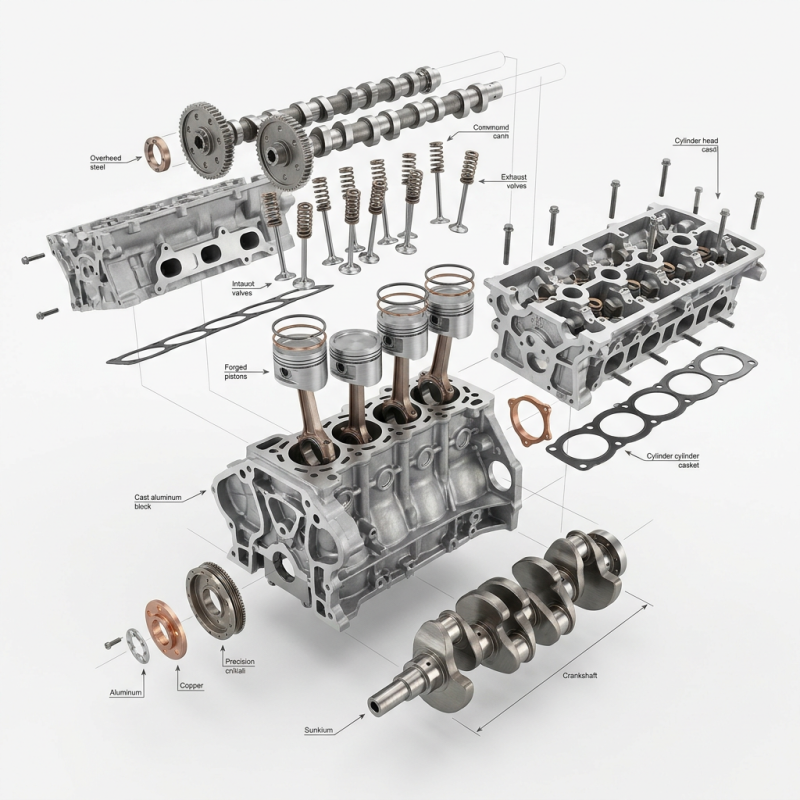
When engine speed becomes excessive, the crank-connecting rod mechanism is the first to be affected. As the crankshaft’s rotational speed rises, the frequency of the piston’s reciprocating motion within the cylinder increases rapidly; the piston’s mean speed and instantaneous acceleration escalate, subjecting the piston, piston pin, and connecting rod to intensified inertial impact loads. Simultaneously, the combined action of combustion pressure and inertial forces on the connecting rods and crankshaft increases fatigue stress on components and accelerates wear on bearings and friction interfaces. Prolonged high-speed operation intensifies friction between piston rings and cylinder liners and makes the lubricating oil film more prone to rupture. This can lead to issues ranging from liner wear, increased oil consumption, and reduced compression pressure to severe failures such as cylinder scoring, piston ablation, and connecting rod deformation or fracture. Furthermore, because the crankshaft is subjected to continuous, high-speed alternating loads, the operating temperatures of the main bearings and connecting rod bearings rise, causing the oil film thickness to decrease. Under inadequate lubrication conditions, irreversible damage—such as bearing seizure, shaft binding, or even crankshaft fracture—can easily occur; this is a primary reason why many engines require premature overhauls.
Beyond the mechanical systems, the lubrication system faces heightened challenges during high-speed operation. Although the oil pump’s flow rate increases with engine speed, the sliding velocity at friction interfaces also rises, causing oil temperatures to spike and viscosity to drop. The oil film, which normally prevents metal-to-metal contact, thins out, significantly weakening lubrication performance. If the oil is past its service interval, fails to meet manufacturer specifications, or if the oil filter is clogged or oil passages contain debris, the high-temperature, low-viscosity oil cannot form a stable protective layer. This leads to direct metal-on-metal friction between critical components—such as bearing shells, the crankshaft, camshaft, rocker arms, and pistons—accelerating wear and potentially causing localized thermal ablation. Consequently, many engines fail not because they have reached the end of their design life, but because prolonged high-speed operation combined with poor lubrication causes cumulative, irreversible mechanical wear, ultimately degrading overall performance or rendering the engine a total loss.
Simultaneously, high-speed operation significantly increases the engine’s thermal load. Diesel engines release vast amounts of heat during each combustion cycle; as engine speed rises, the frequency of combustion cycles per unit of time increases, keeping components such as the combustion chamber, piston crown, cylinder head, exhaust valves, and exhaust manifold in a state of sustained high temperature. If the cooling system’s heat dissipation capacity is insufficient—due to a clogged radiator, reduced water pump efficiency, thermostat failure, or low coolant levels—the engine cannot dissipate heat fast enough. This causes coolant temperatures to climb, leading to thermal expansion in the cylinder head and block, and potentially resulting in failures such as cylinder head gasket burnout, cylinder head deformation, or localized overheating of cylinder liners. Sustained high-temperature operation also accelerates oil oxidation, further degrading lubrication performance and creating a vicious cycle where heat and wear compound one another; this not only impairs power output but also shortens the engine’s overall service life. For diesel engines equipped with turbocharging systems, the impact of high engine speeds is particularly pronounced. Higher engine speeds result in increased exhaust flow and temperature, driving the turbine wheel to rotate at speeds that can exceed 100,000 revolutions per minute. Prolonged operation under heavy loads subjects turbocharger bearings to intensified centrifugal and thermal stresses; inadequate lubrication or cooling can easily lead to bearing wear, impeller imbalance, seal failure, and a drop in boost pressure. These issues ultimately manifest as insufficient power, black exhaust smoke, increased oil consumption, or even total turbocharger failure. Furthermore, high-speed operation significantly increases the operating frequency of the intake and exhaust systems, subjecting components such as valves, valve springs, camshafts, and rocker arms to higher fatigue loads. Prolonged operation can cause valve spring fatigue failure, improper valve seating, or even valve float; in severe cases, collisions between valves and pistons can result in catastrophic internal engine damage.
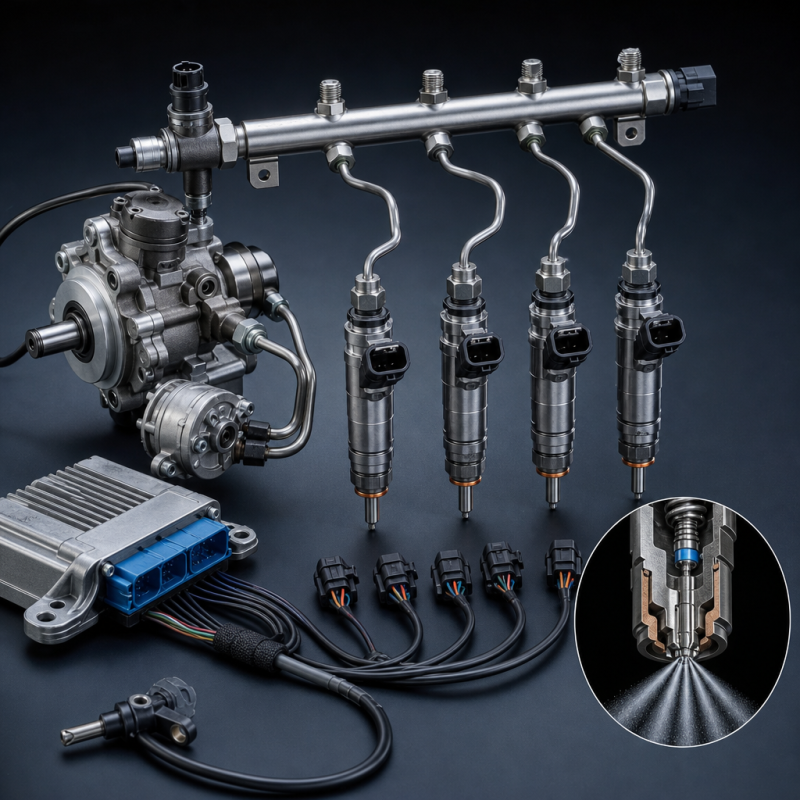
From an economic standpoint, maintaining high engine speeds for extended periods does not equate to peak operating efficiency. In fact, the optimal fuel economy range for most diesel engines typically lies between 60% and 80% of the rated speed, where a favorable balance among combustion efficiency, torque output, and fuel utilization is achieved. When engine speed exceeds this optimal range, the fuel injection system must increase the injection quantity to sustain higher power output; while combustion frequency and total fuel consumption rise, combustion efficiency does not improve proportionally. Consequently, specific fuel consumption (fuel consumed per unit of power) increases, leading to higher operating costs with only marginal gains in power output. For construction machinery and transport vehicles subject to long-term operation, this operational approach—while seemingly efficient—actually drives up equipment operating costs and shortens the interval between major engine overhauls, making it counterproductive.
In summary, while high-speed engine operation can boost power output in the short term, it comes at the cost of significantly increased mechanical and thermal loads as well as heightened lubrication pressure. This places varying degrees of strain on critical components—including pistons, connecting rods, crankshafts, bearings, valvetrains, turbochargers, and cooling systems—potentially leading to damage. Prolonged operation at excessive speeds or under high loads not only risks major failures—such as bearing shell burnout, cylinder scoring, shaft seizure, crankshaft fracture, and turbocharger damage—but also leads to reduced fuel economy, increased maintenance costs, and a significantly shortened overall engine lifespan. Therefore, during daily operation, the equipment should be run strictly within the manufacturer’s specified rated speed, avoiding prolonged high-speed operation. Simultaneously, regular maintenance of the lubrication, cooling, fuel, and air filtration systems is essential to ensure the engine remains in optimal working condition. For diesel engines, sound operational habits and proper maintenance do far more to realize the equipment’s true value than the blind pursuit of high speeds; they maximize engine performance, extend the machine’s service life, and generate greater economic benefits for the enterprise.
jianming machinery