Common-Rail Fuel System: Core Technology for High-Efficiency Diesel Engine Power


In modern diesel engines, the Common Rail Fuel System is hailed as a significant milestone in fuel injection technology and a core component for enhancing engine power, fuel economy, and emissions performance. Compared to traditional mechanical injection systems, the common rail system utilizes electronic control and high-pressure injection technologies to achieve precise, intelligent fuel delivery, providing efficient and stable power for modern construction machinery, commercial vehicles, generator sets, and agricultural equipment.

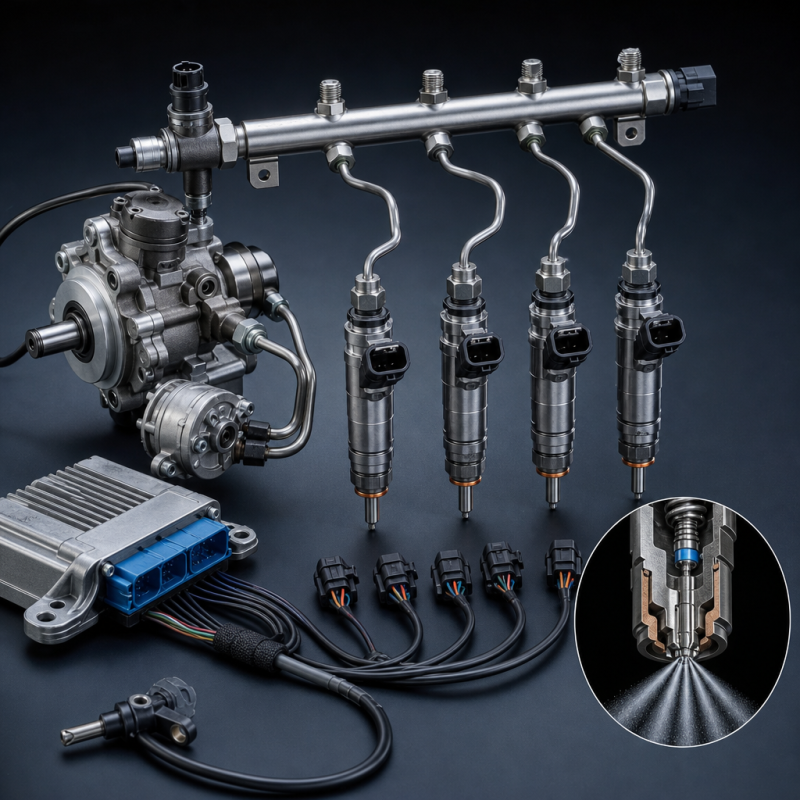
The system operates by using a high-pressure fuel pump to continuously pressurize diesel and store it in a common rail, creating a stable high-pressure fuel source. The Engine Control Unit (ECU) then calculates the optimal injection strategy in real-time based on operating parameters such as engine speed, load, throttle position, intake pressure, and coolant temperature. It precisely controls the injection timing, pressure, duration, and frequency. Because fuel pressure and injection control are independent of each other, the engine can maintain optimal combustion efficiency across various operating conditions.
Precise injection control improves diesel atomization and ensures thorough mixing of fuel and air, thereby enhancing combustion efficiency. Unlike traditional systems, common rail systems enable multiple injection strategies—such as pre-injection, main injection, and post-injection—which effectively lower combustion noise, reduce engine knock, and ensure smoother operation. Furthermore, multiple injection lowers combustion temperatures and reduces the formation of nitrogen oxides (NOx) and particulate matter (PM), helping engines meet increasingly stringent emissions regulations.
High-pressure common rail technology also significantly boosts engine power performance. High-pressure injection results in more uniform atomization and more complete combustion, allowing the engine to deliver higher torque at low speeds while maintaining ample power reserves at high speeds. For equipment frequently operating under heavy loads—such as excavators, loaders, mining machinery, port equipment, and generator sets—this technology not only improves operational efficiency but also effectively lowers specific fuel consumption and reduces operating costs. With the continuous advancement of diesel engine technology, injection pressures in modern common-rail fuel systems typically range from 1,600 to 2,500 bar, with some high-end engines exceeding 2,700 bar. Higher injection pressures facilitate finer fuel atomization and more precise combustion control, resulting in superior overall engine performance regarding power output, fuel economy, emissions, and noise levels.
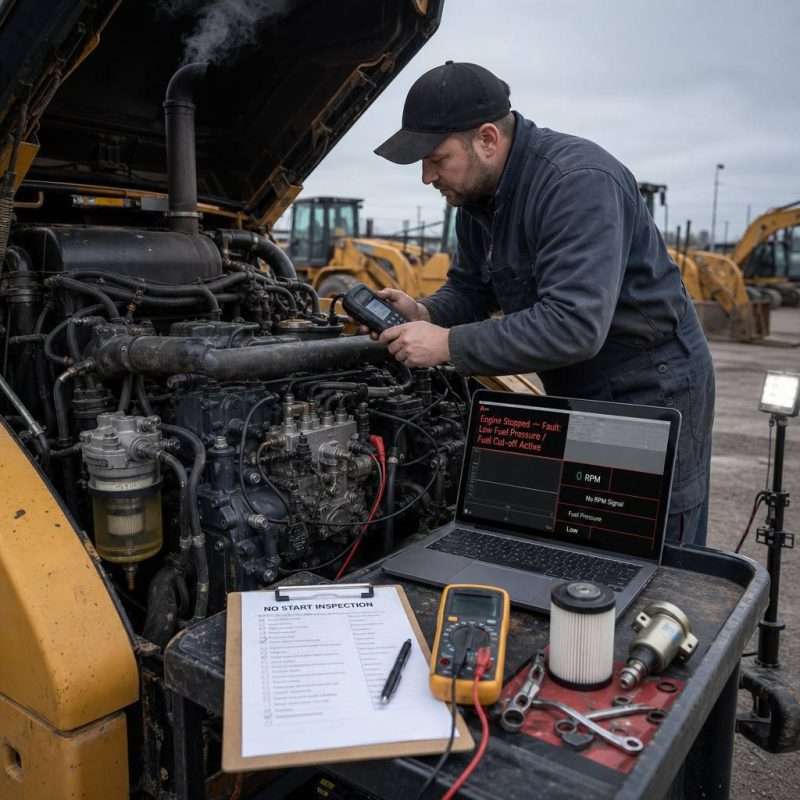
As high-precision fuel control systems, common-rail systems impose strict requirements on fuel quality and maintenance. The mating clearances within components such as high-pressure pumps, common-rail pipes, and injectors are often merely a few micrometers; consequently, the presence of moisture, impurities, or metal particles in the diesel fuel can easily cause wear on these precision parts. This compromises injection accuracy and can lead to failures such as injector sticking or high-pressure pump damage. Therefore, regularly replacing diesel filters, using clean diesel that meets standards, and adhering to prescribed maintenance schedules are essential measures for ensuring the long-term, stable operation of common-rail systems.
As a core technology in modern diesel engines, the common-rail fuel system not only enhances power performance and fuel efficiency but also drives the evolution of diesel engines toward lower emissions, reduced noise, and higher efficiency. For construction machinery, commercial vehicles, and industrial power equipment, a stable and precise common-rail fuel system maximizes engine performance, extends the equipment’s service life, and lowers maintenance costs, thereby delivering greater operational value.
jianming machinery