Engine Maintenance Guide


Engine maintenance is not merely a matter of changing the oil or filter on schedule; it is a systematic process. Truly effective maintenance relies on daily inspections and preventive care to address issues such as wear, overheating, and component aging at an early stage. This ensures the engine remains in optimal working condition, extends its service life, and reduces repair costs.
In terms of maintenance scope, the focus lies on four key systems: lubrication, cooling, intake/exhaust, and fuel. Proper management of these critical areas can prevent the majority of potential malfunctions.
I. Lubrication System—The Foundation of Normal Engine Operation
Engine oil serves not only to lubricate and reduce friction but also to dissipate heat, clean internal components, and prevent corrosion; it is essential for the engine’s proper functioning.
First, select the oil type and viscosity grade strictly according to the manufacturer’s specifications; do not simply opt for higher-grade or so-called “high-performance” oils. Oil change intervals should be determined not only by mileage but also by the engine’s actual operating hours and working conditions. For instance, operation under high loads, high temperatures, or in dusty environments accelerates oil degradation, necessitating shorter change intervals.
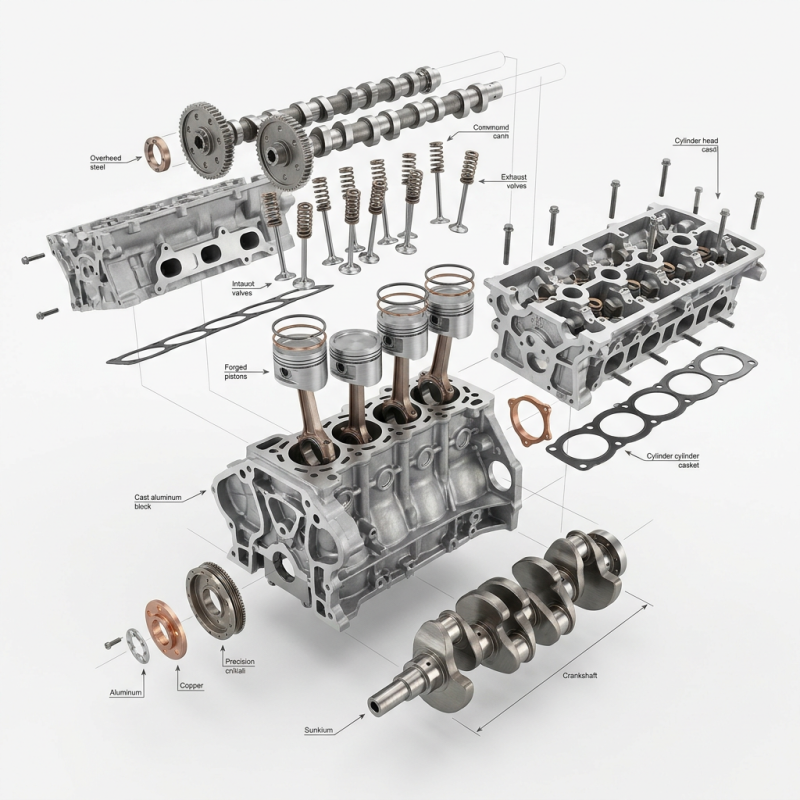
The oil filter must not be overlooked either. Low-quality filters offer inadequate filtration, allowing impurities to enter the lubrication system and accelerating wear on components such as bearing shells, the crankshaft, and the camshaft; therefore, using high-quality, reliable filters is recommended.
Additionally, it is crucial to cultivate the habit of checking the oil level before starting the engine each day. An excessively low oil level can lead to insufficient lubrication, while an abnormally high level may indicate fuel dilution or coolant leakage; the cause should be investigated immediately, and operation halted until the issue is resolved.
II. Cooling System—The Key to Preventing Engine Overheating
Prolonged high-temperature operation is a major cause of cylinder scoring, head gasket failure, and even cylinder block damage; maintaining the cooling system in good working order is therefore essential.
Use coolant that meets the manufacturer’s specifications; do not substitute it with tap water for extended periods. Proper coolant not only raises the boiling point and lowers the freezing point but also provides anti-corrosion, anti-rust, and anti-scale properties.
Routine inspections should also be conducted to check for leaks or pressure issues in components such as the radiator, water hoses, clamps, and the radiator cap. Maintaining proper pressure in the cooling system effectively raises the coolant’s boiling point, reduces localized vaporization, and lowers the risk of cavitation.
For construction machinery or equipment operating in dusty environments, the radiator surface must be regularly cleaned of dust, willow catkins, and debris. This ensures good ventilation and heat dissipation, preventing engine overheating caused by reduced cooling efficiency.
III. Intake and Exhaust Systems—Determining Smooth Engine “Breathing”
Air quality directly affects the degree of internal engine wear; therefore, maintenance of the intake system cannot be overlooked.
Air filters should be replaced promptly based on actual operating conditions. In high-dust construction environments, differential pressure alarms or gauges can be used to determine when a filter element needs replacement. Avoid repeatedly cleaning the filter element with high-pressure air, as this can damage the filter paper structure and reduce filtration efficiency.
Additionally, check the intake piping, turbocharger connection hoses, and all joints for proper sealing. Air leaks not only compromise engine power and combustion efficiency but can also allow unfiltered air to enter the engine, accelerating wear on cylinders and piston rings.
IV. Fuel System—Ensuring Stable and Reliable Power Output
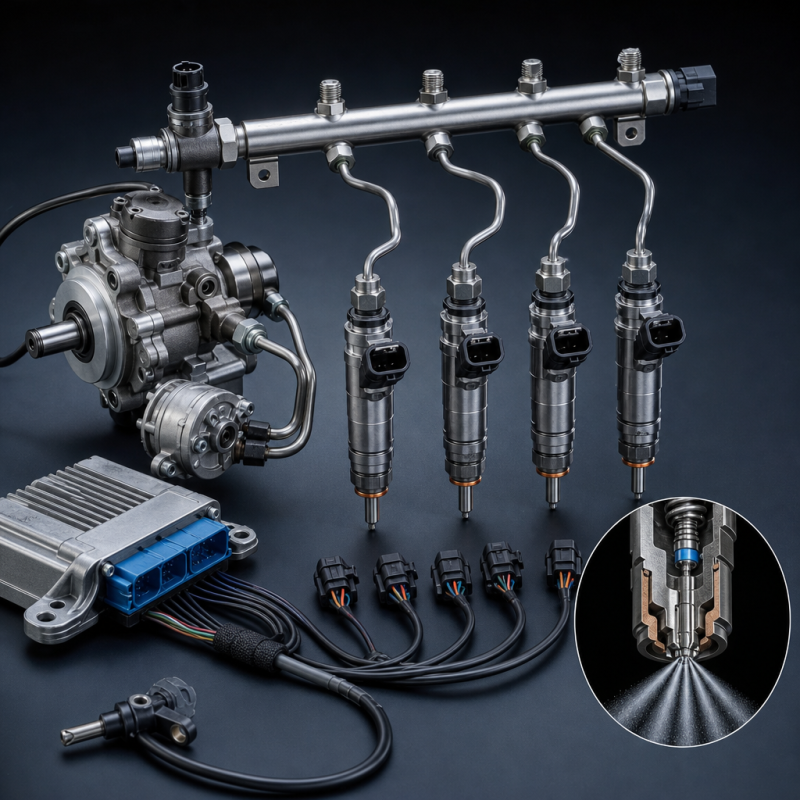
Modern electronically controlled high-pressure common-rail engines have strict requirements for fuel cleanliness; any moisture or impurities can damage precision components.
Drain the fuel-water separator promptly as required and replace fuel filter elements according to the maintenance schedule to prevent moisture and impurities from entering the high-pressure fuel pump and injectors. Repairs for high-pressure system damage caused by impurities are typically very costly.
After replacing fuel filters or servicing fuel lines, perform the air-bleeding procedure according to specifications to prevent air from entering the high-pressure fuel system. Failure to do so can hinder engine starting and, in severe cases, damage the precision internal parts of the high-pressure fuel pump.
V. Establishing a Habit of Preventive Maintenance
With the advancement of engine electronic control technology, equipment maintenance no longer relies solely on experience; data-driven assessment is increasingly important.
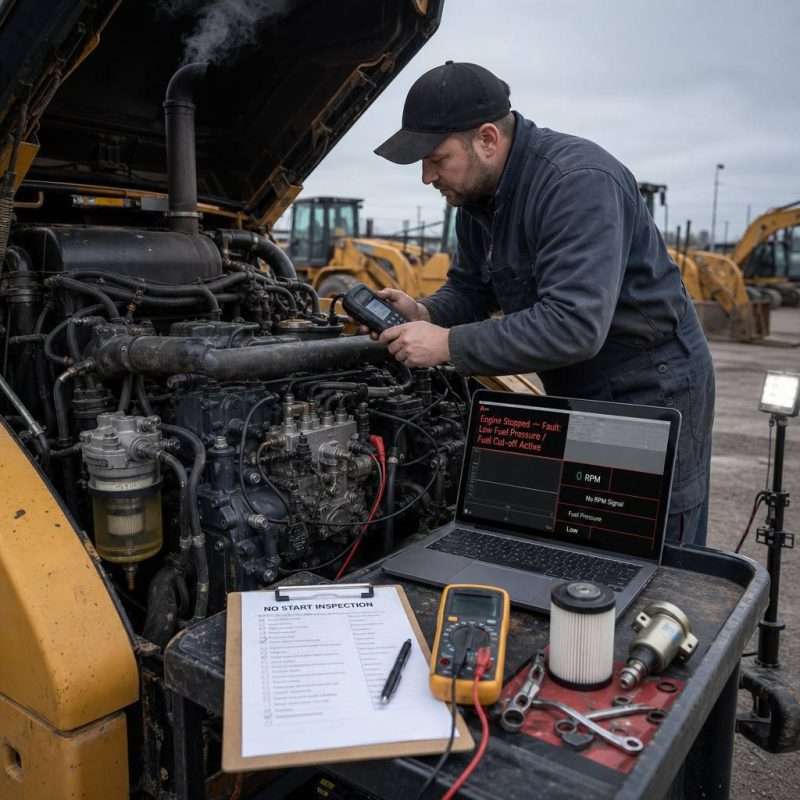
It is recommended to log every fault code; do not dismiss even sporadic alarms, as many major failures are preceded by early warning signals.
For high-value engines, periodic oil analysis is also recommended. By analyzing the levels of metal elements—such as iron, copper, and aluminum—in the engine oil, one can assess the wear status of internal engine components. This enables early warnings, helping to prevent escalating failures and the associated increase in repair costs.
Conclusion
Most engine failures do not occur suddenly; rather, they result from the gradual accumulation of issues caused by a long-term lack of maintenance. While routine maintenance may appear to consist of simple checks and servicing, it often prevents exorbitant repair costs down the line.
In practice, maintenance of the lubrication, cooling, intake/exhaust, and fuel systems should be carried out consistently, adhering to established maintenance intervals and equipment operating data while incorporating proper operating procedures and daily inspections. Only through thorough preventive maintenance can long-term, stable engine operation be ensured, allowing the equipment to perform at its full potential and extending the service life of the entire unit.
jianming machinery