Precautions for engine modification

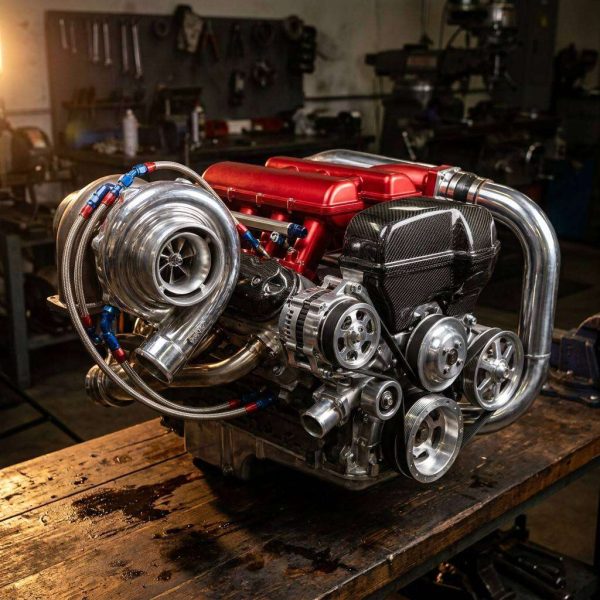
Engine modification is a precision engineering discipline involving thermodynamics, fluid dynamics, materials science, and electronic control algorithms. Before blindly pursuing power gains, one must grasp a fundamental concept: the engine is a highly integrated, closed-loop system. Aggressively upgrading any single component—without corresponding systemic tuning and structural reinforcement—can easily disrupt the factory-set stress balance, leading to catastrophic reductions in engine lifespan.
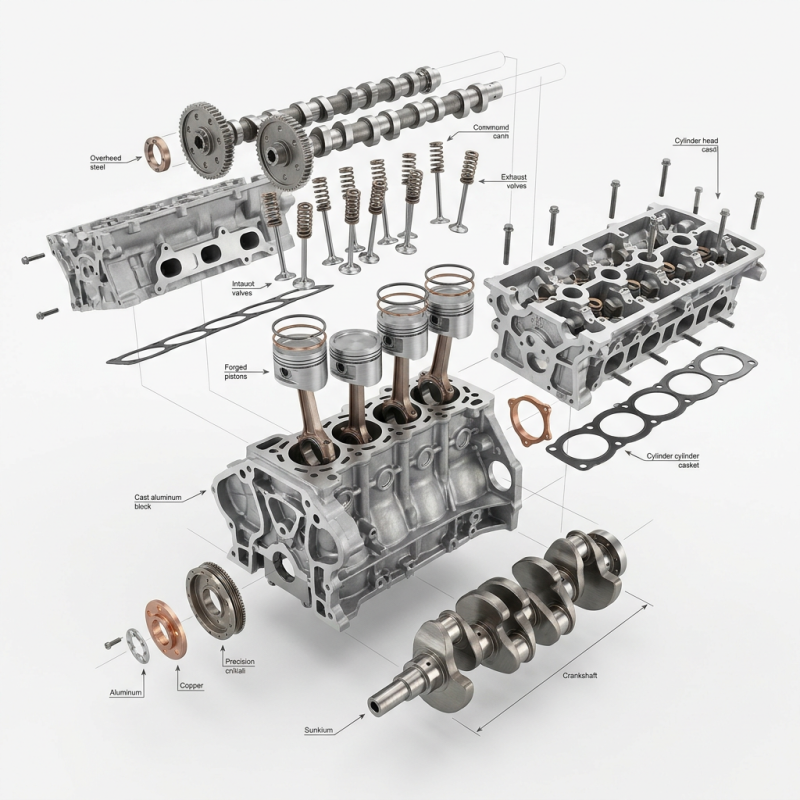
First, structural strength redundancy is the cornerstone of modification. While most factory engines for consumer vehicles are designed with a certain safety margin, aiming for significantly higher turbo boost pressures or engine speeds requires a prior assessment of the yield strength of the engine block, crankshaft, connecting rods, and pistons. Enthusiasts typically replace stock cast components with forged pistons and connecting rods to withstand higher peak combustion pressures; stock cast parts are prone to cracking or fracturing due to thermal fatigue in high-boost environments. Simultaneously, one must evaluate the limits of the engine’s lubrication and cooling systems. Increased power directly translates to a surge in thermal load within the combustion chamber. Without installing larger oil coolers and radiators, the lubricating oil film can rapidly thin or rupture due to high temperatures, leading to bearing seizure.
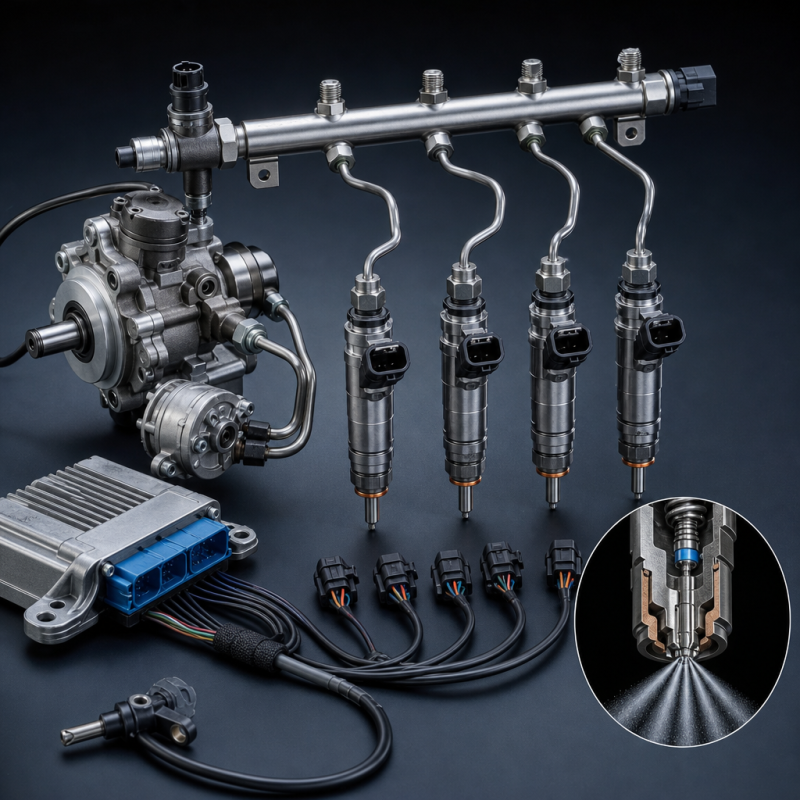
Second, the synergy between intake/exhaust systems and fuel injection is the lifeline of any modification. The core of increasing power lies in boosting the total amount of oxygen and fuel reacting within the combustion chamber per unit of time. While installing high-flow air filters or aggressive camshafts aims to improve “breathing efficiency,” a failure to match the fuel delivery rate results in a lean air-fuel ratio. This triggers engine knock—the primary cause of piston melting. Such modifications necessitate a simultaneous upgrade of the fuel supply system and precise electronic adjustments to fuel injection timing.
Finally, optimizing the electronic control system serves as the command center for all hardware modifications. Every action of a modern engine is closely monitored by the ECU, and any hardware change causes sensor data deviations. Without professional ECU remapping or the use of piggyback controllers, the engine may easily enter “limp mode” (protection mode) or suffer severe knocking caused by mismatched ignition timing. Furthermore, modifications to the exhaust system require caution; indiscriminately reducing exhaust backpressure can lead to turbo lag or a loss of low-end torque. It is also essential to ensure that the modified after-treatment system maintains basic emissions compliance; otherwise, excessive exhaust temperatures could damage the turbocharger housing.
In summary, the logic behind engine modification should follow a rigorous sequence: reinforcing the foundation first, increasing power output second, and optimizing tuning last. Any modification that neglects fundamental cooling and structural integrity—seeking to squeeze out more power merely through ECU remapping or turbocharger installation—effectively compromises the engine’s total service life. Before proceeding with any plan, be sure to establish a detailed budget, as more than 60% of the actual modification cost often goes toward addressing the strain placed on ancillary systems by the increased power output.
jianming machinery